Just reprocessing a few images. Viva Cristo Rey.


Just reprocessing a few images. Viva Cristo Rey.
In 2019 The Doc went on an AWC Supporter’s Event to Mt Zero Taravale out of Townville. Supporters arrived in that fancy red helicopter, flown out of Townville Airport, known as Garbutt Airfield in WW2.
He had previously driven up the entrance of the Sanctuary.
The Doc forgot to write up a report, so he only has some pictures. Better late than never. One day he may find the notes from the visit.
The Doc does remember meeting and speaking to AWC legend Peter Stanton at the event and later sending him some AWC slides The Doc had scanned of Peter at MZT, in the very early days of AWC ownership.
Viva Cristo Rey.
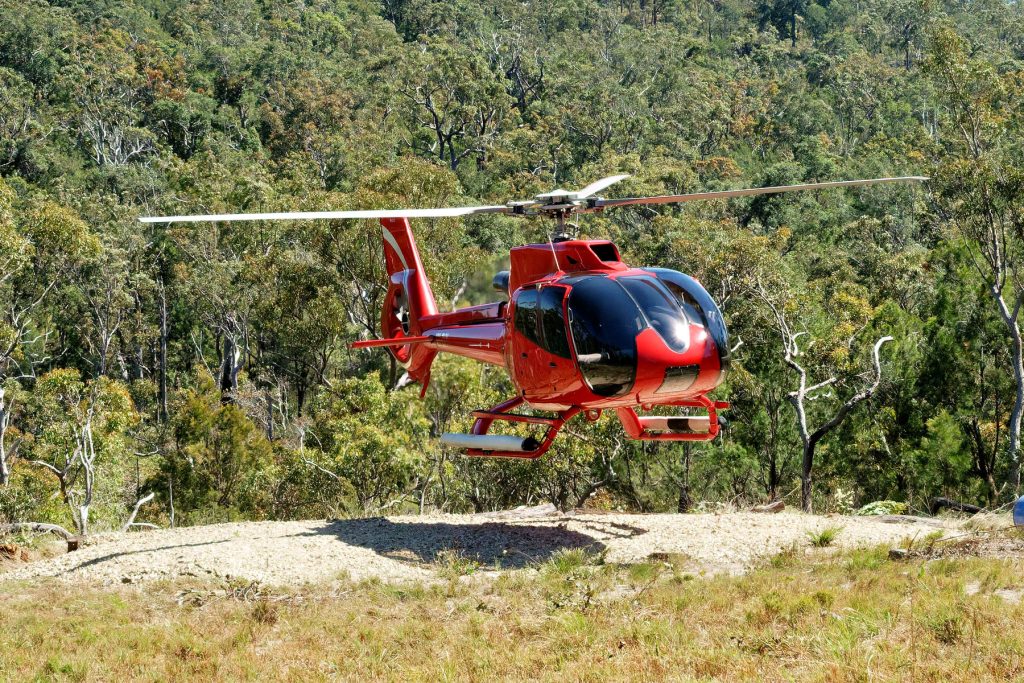
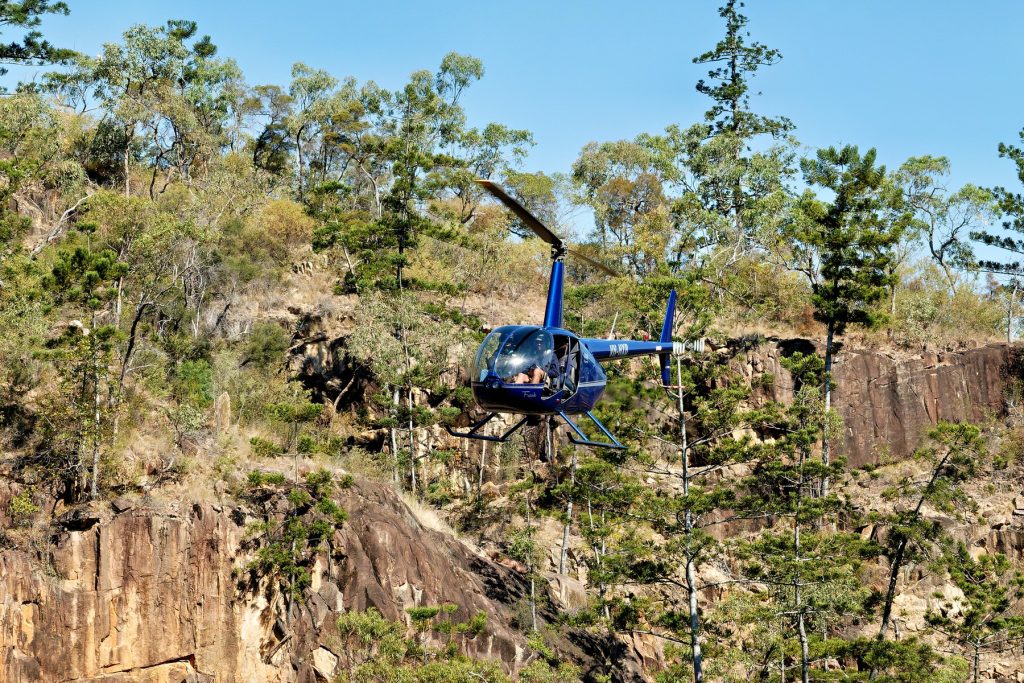
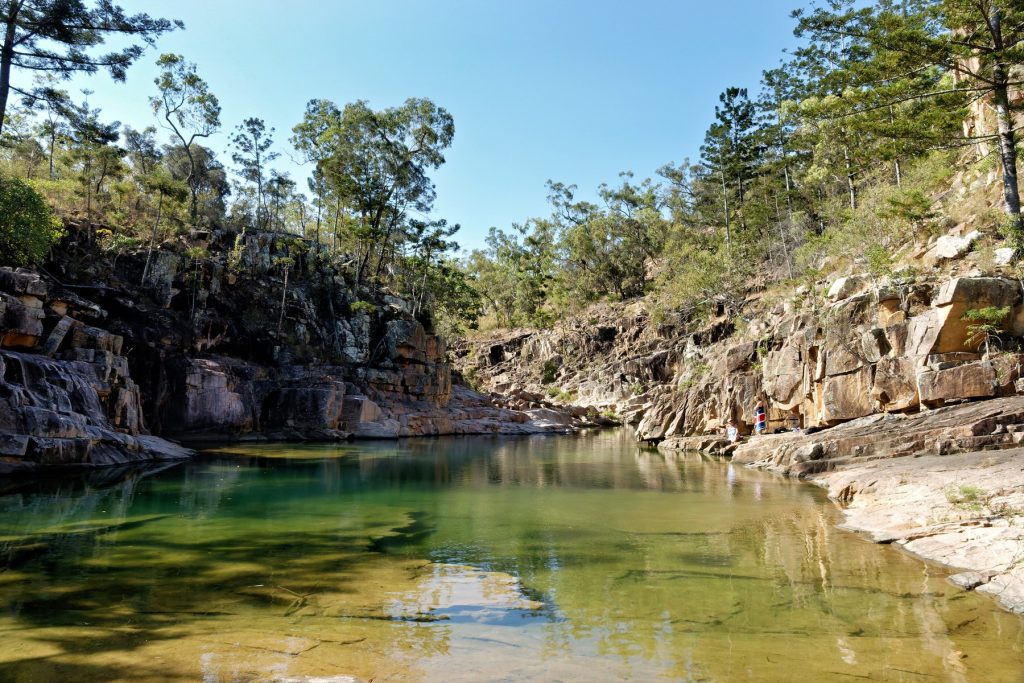
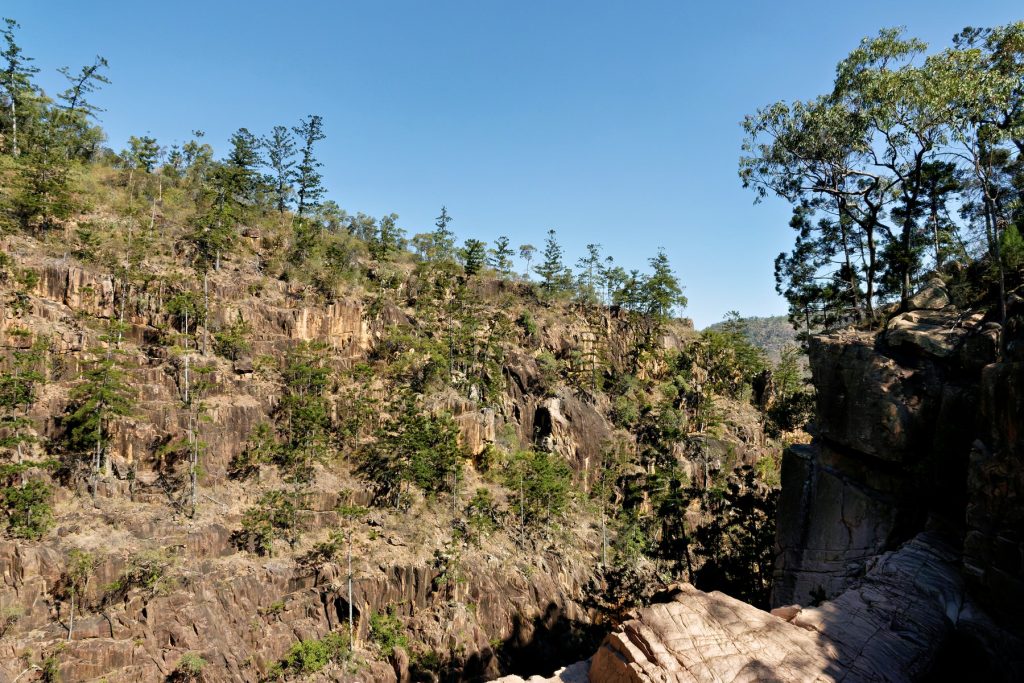
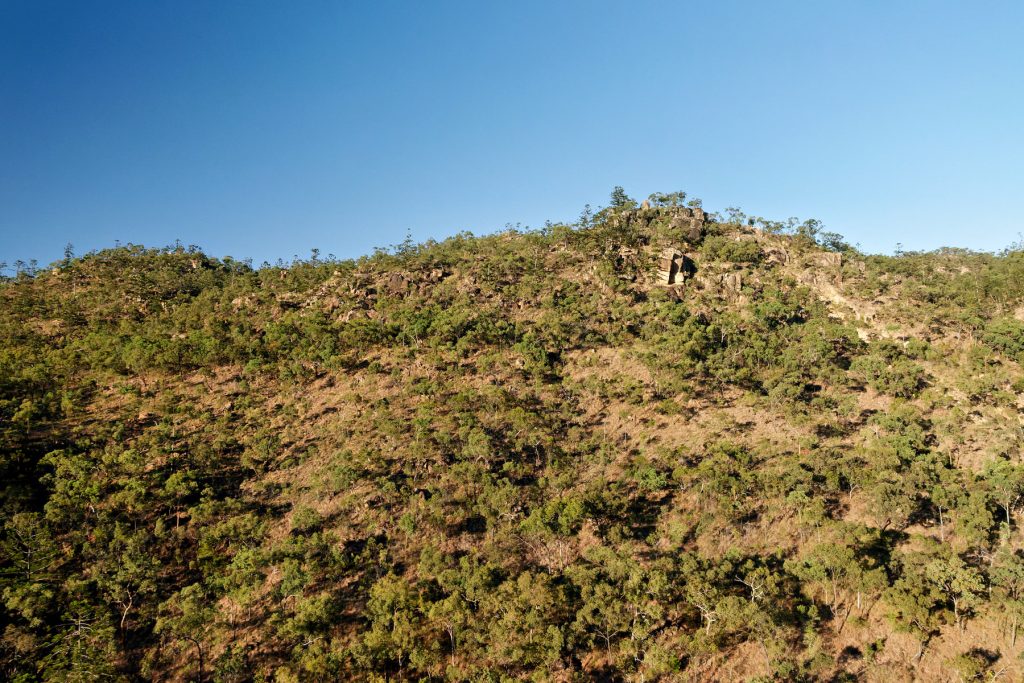
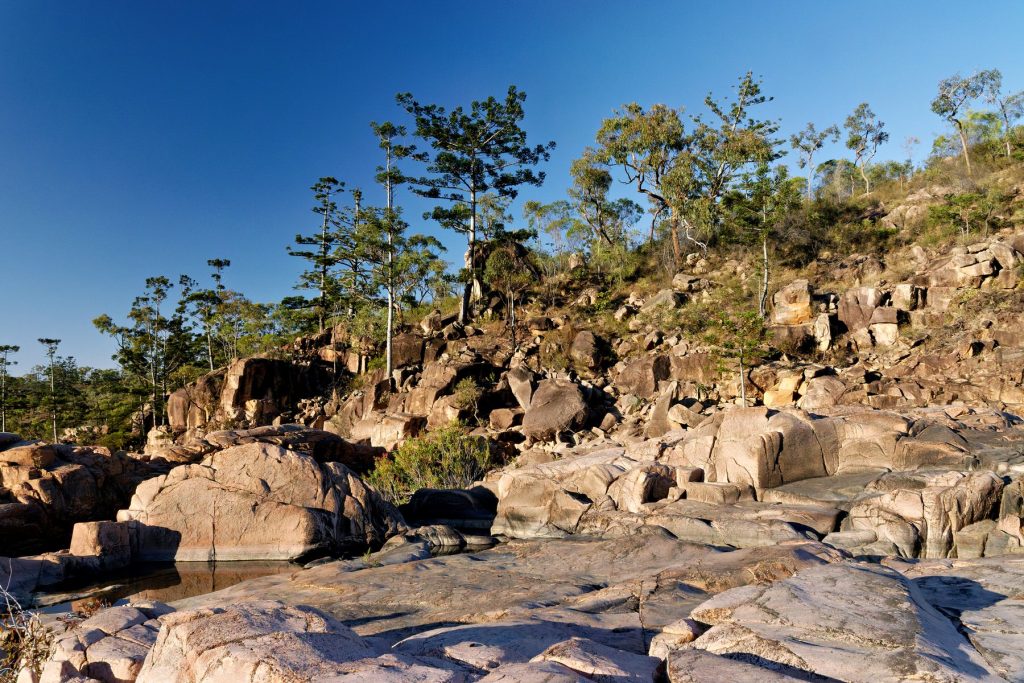
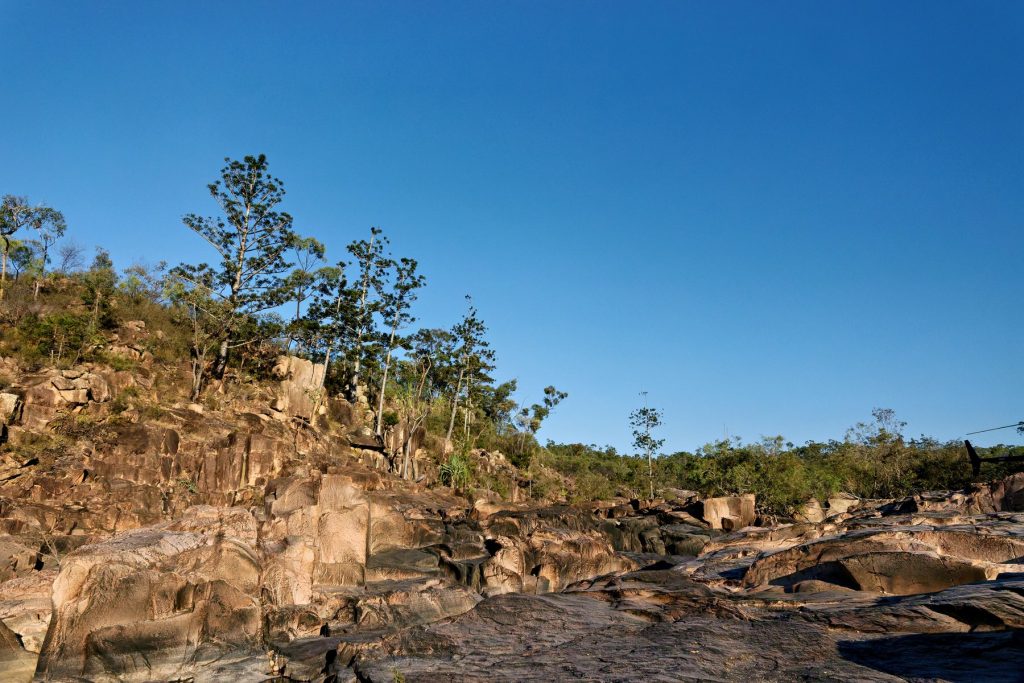
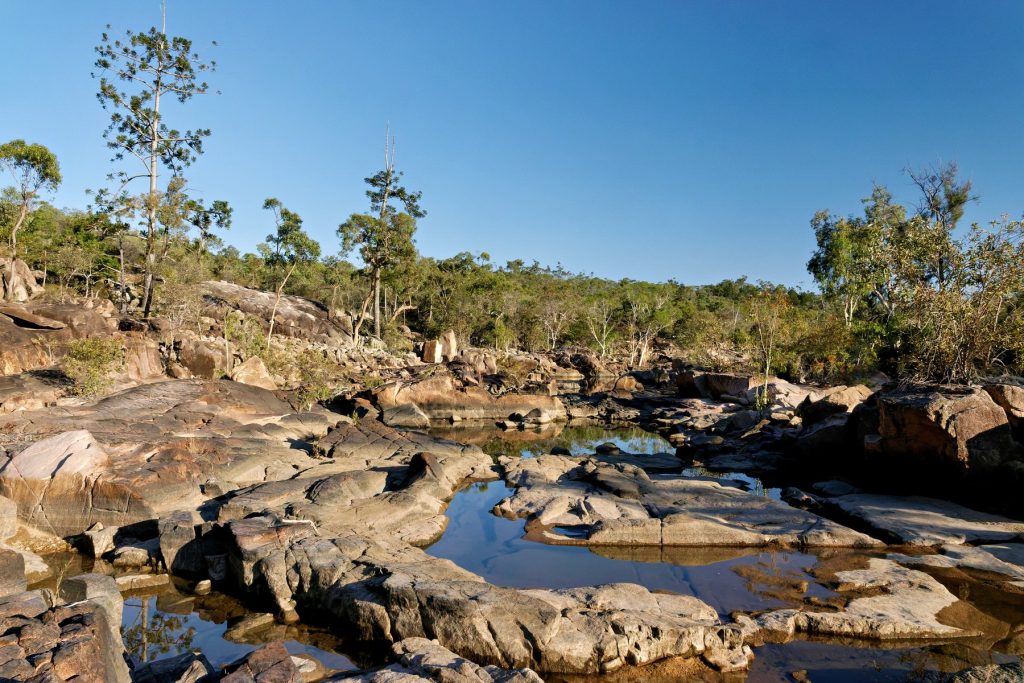
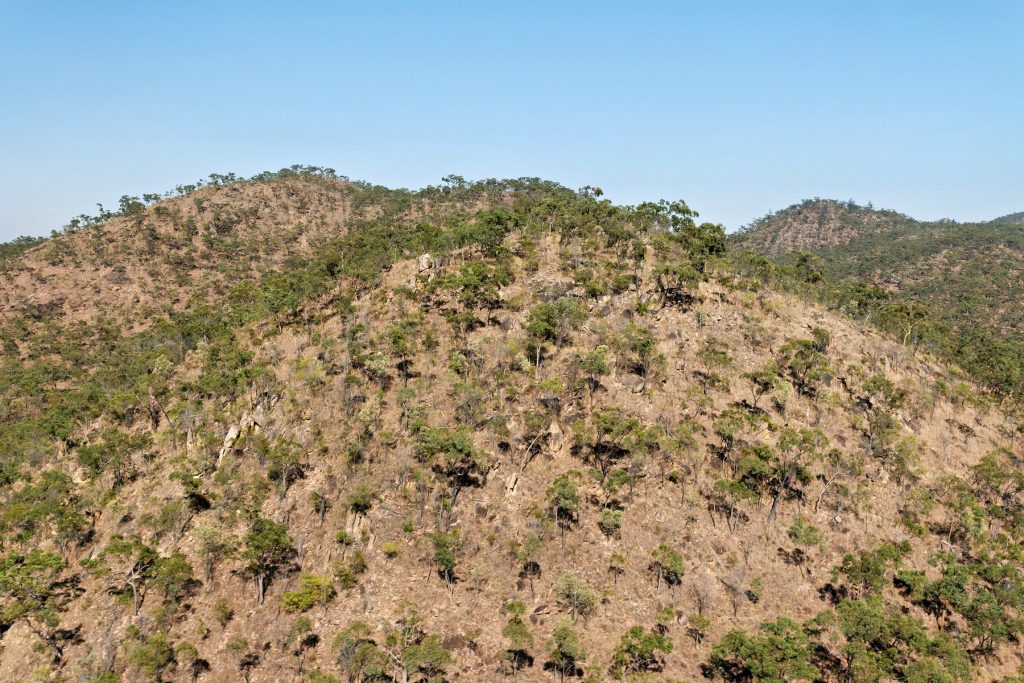
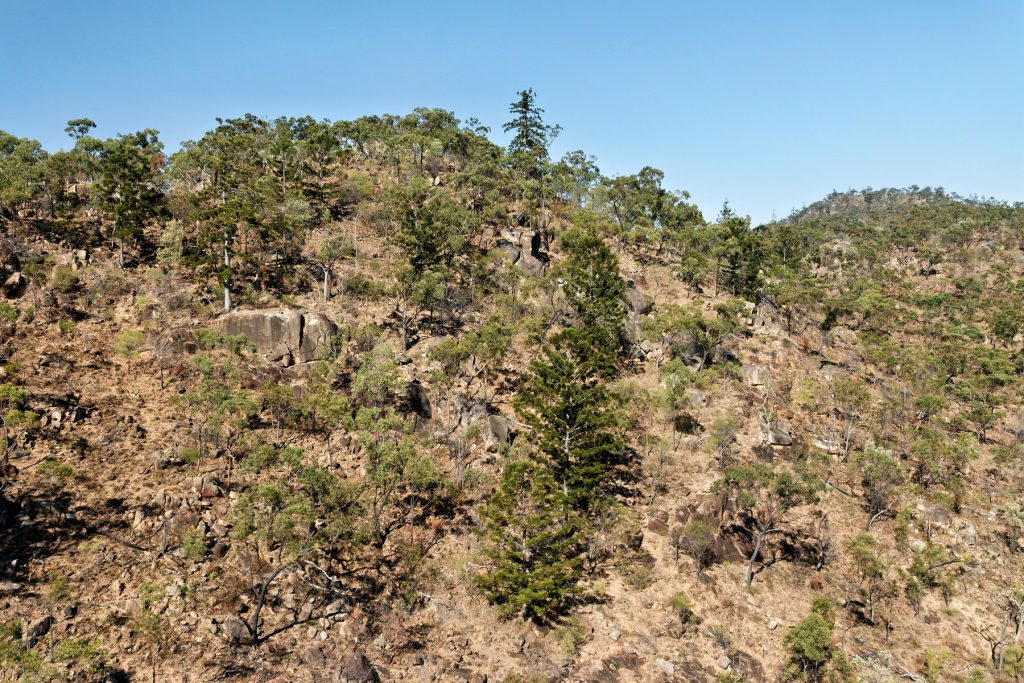
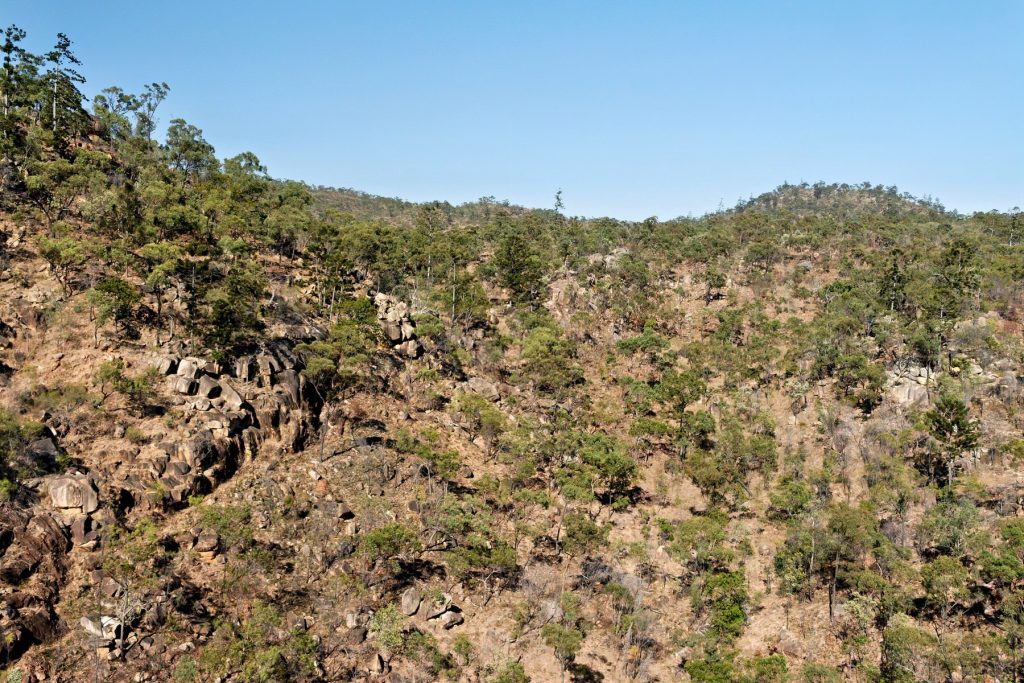
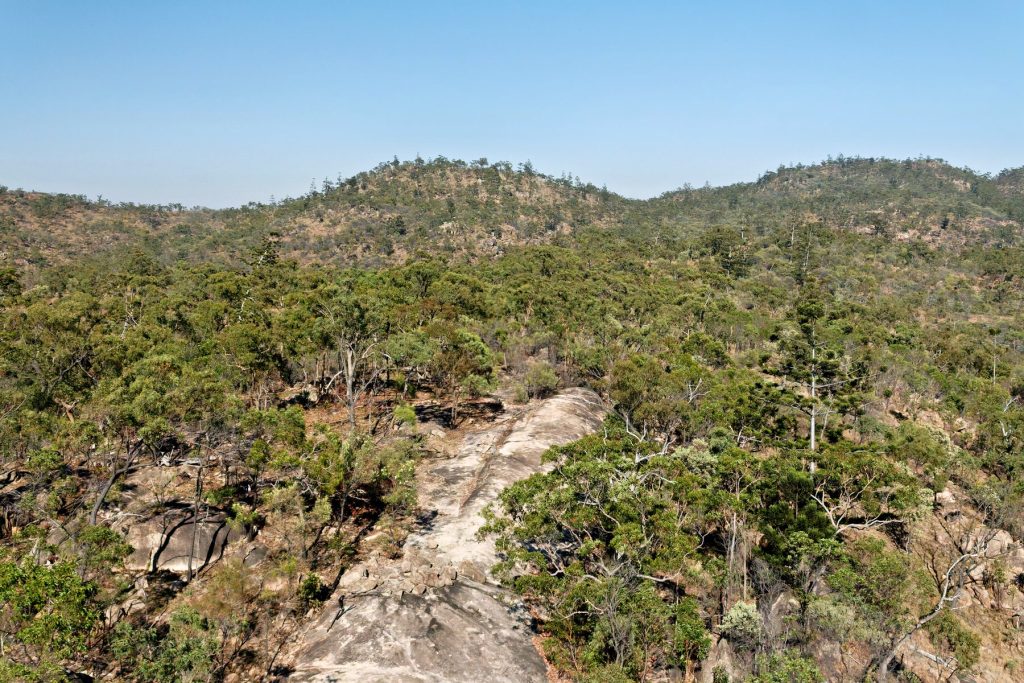
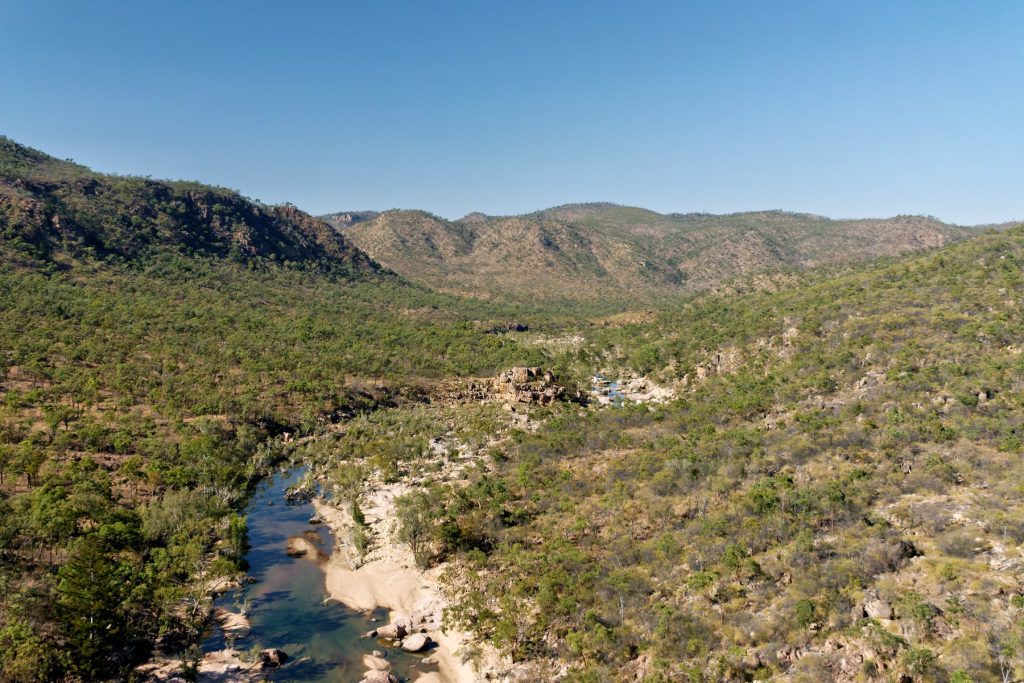
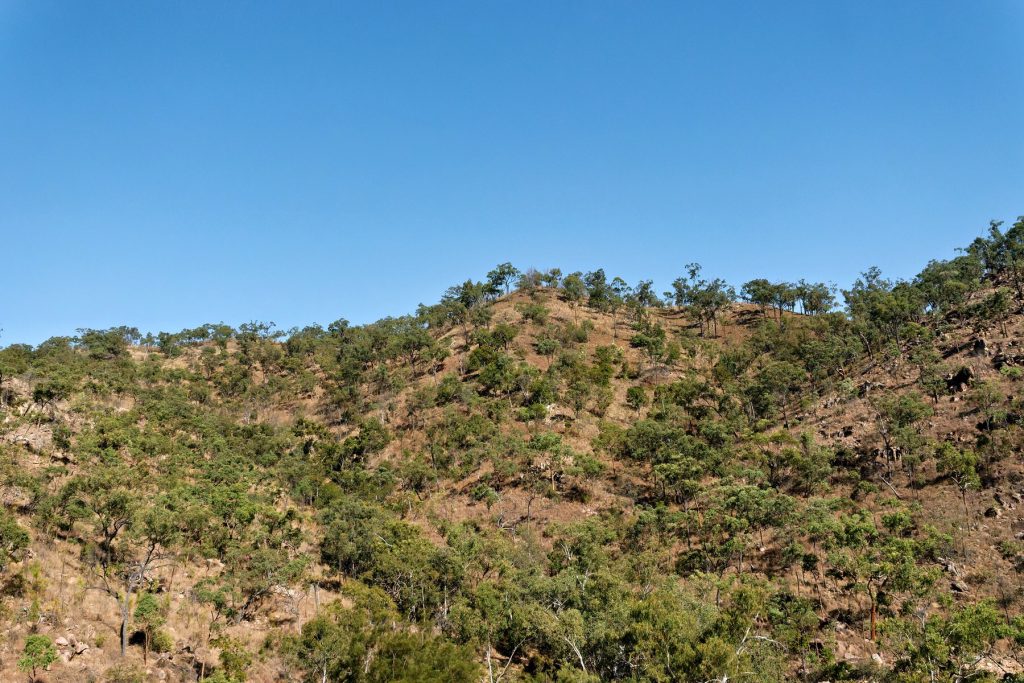
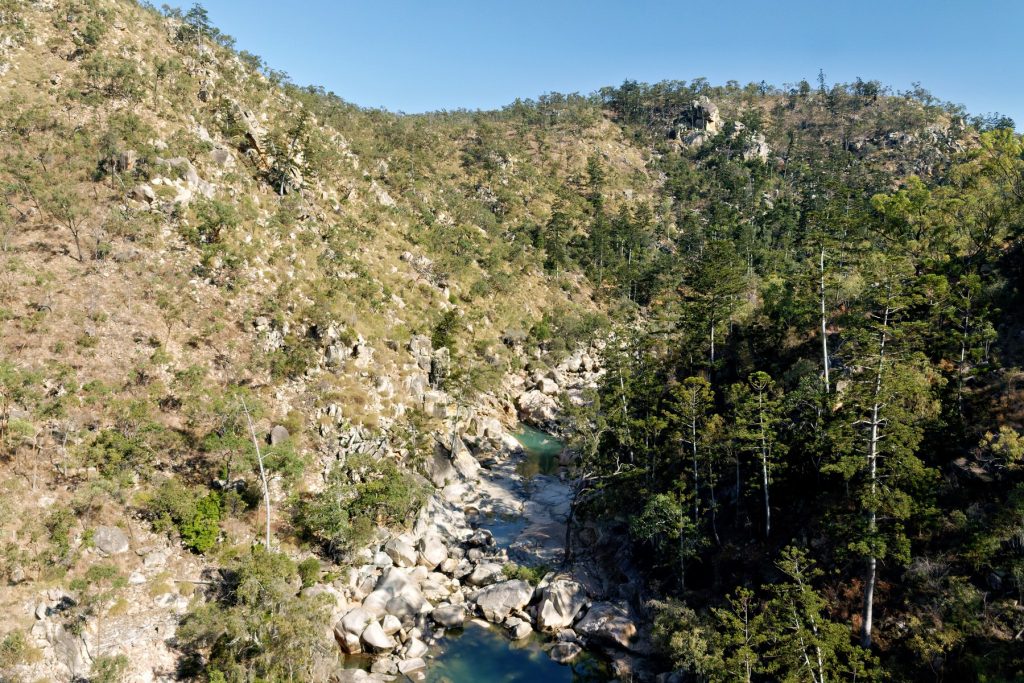
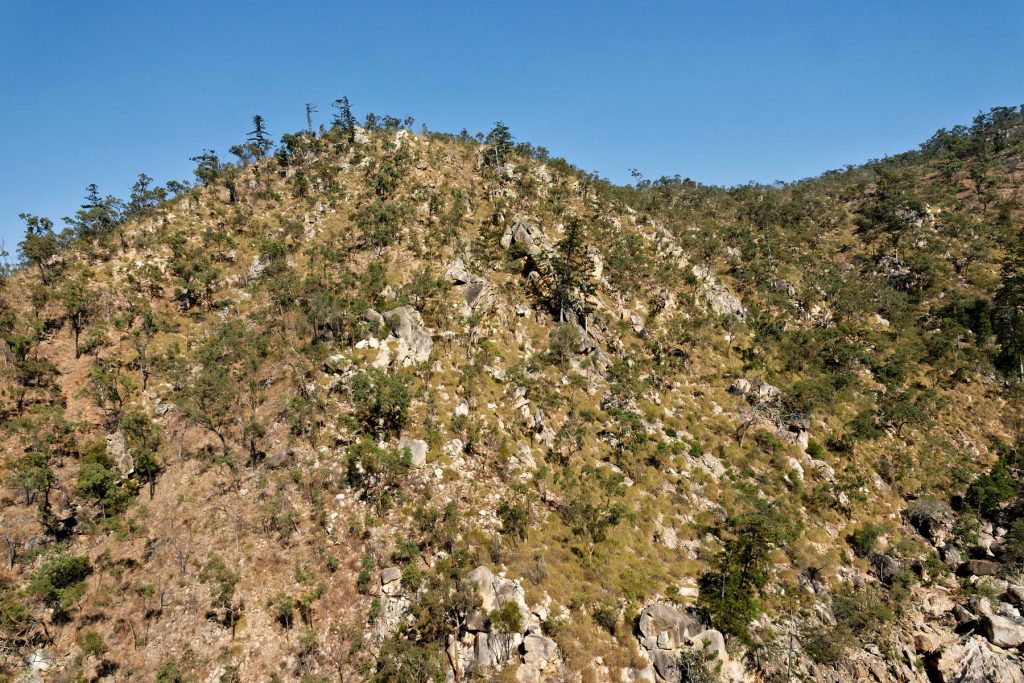
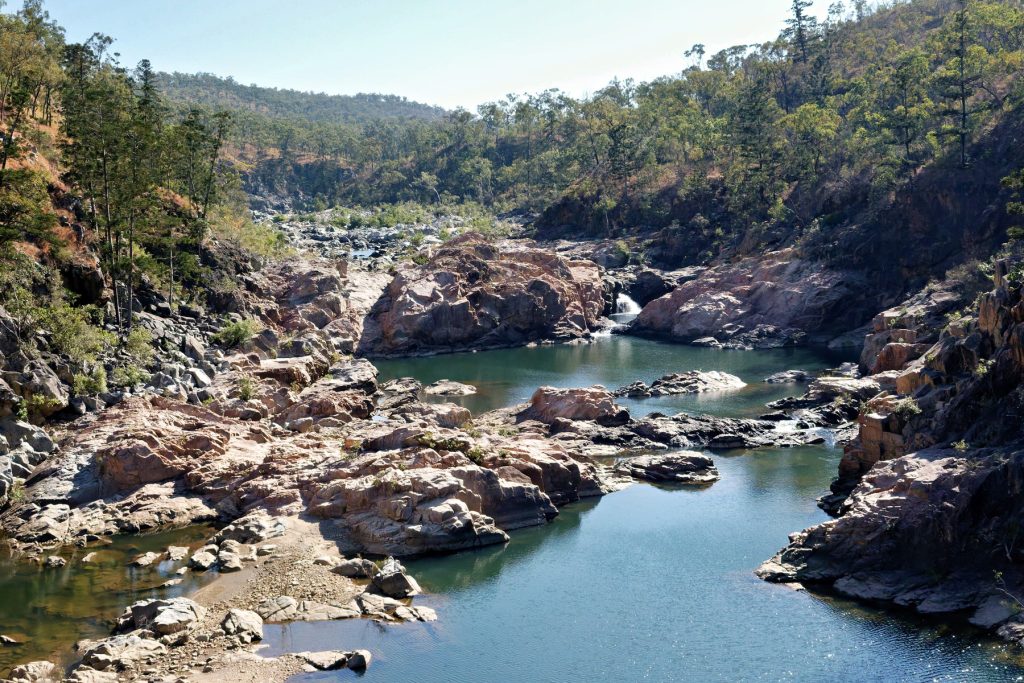
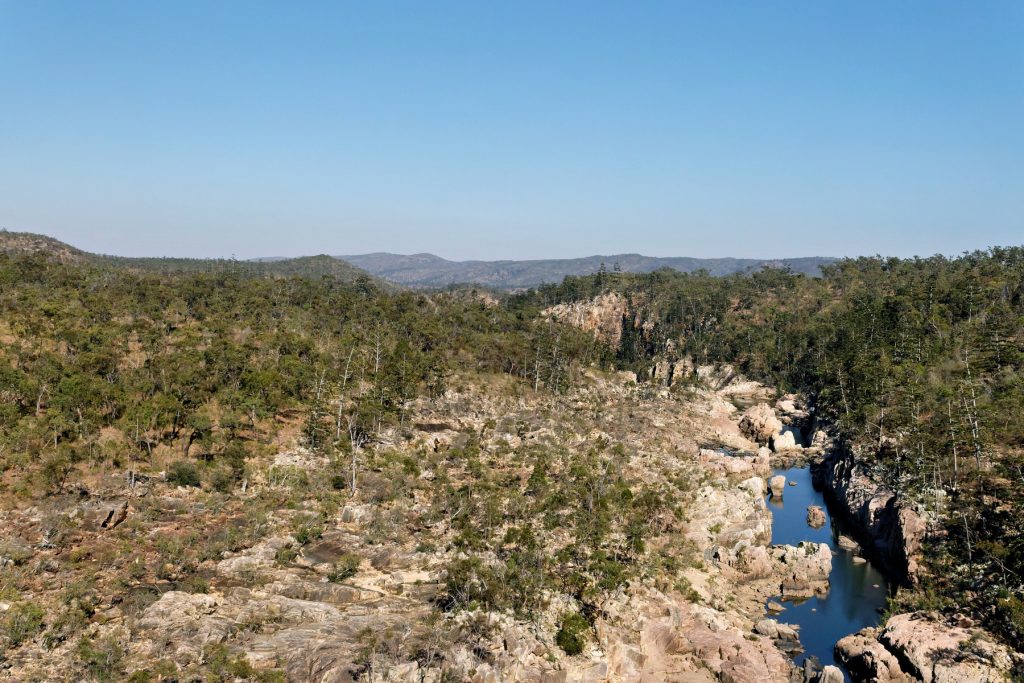
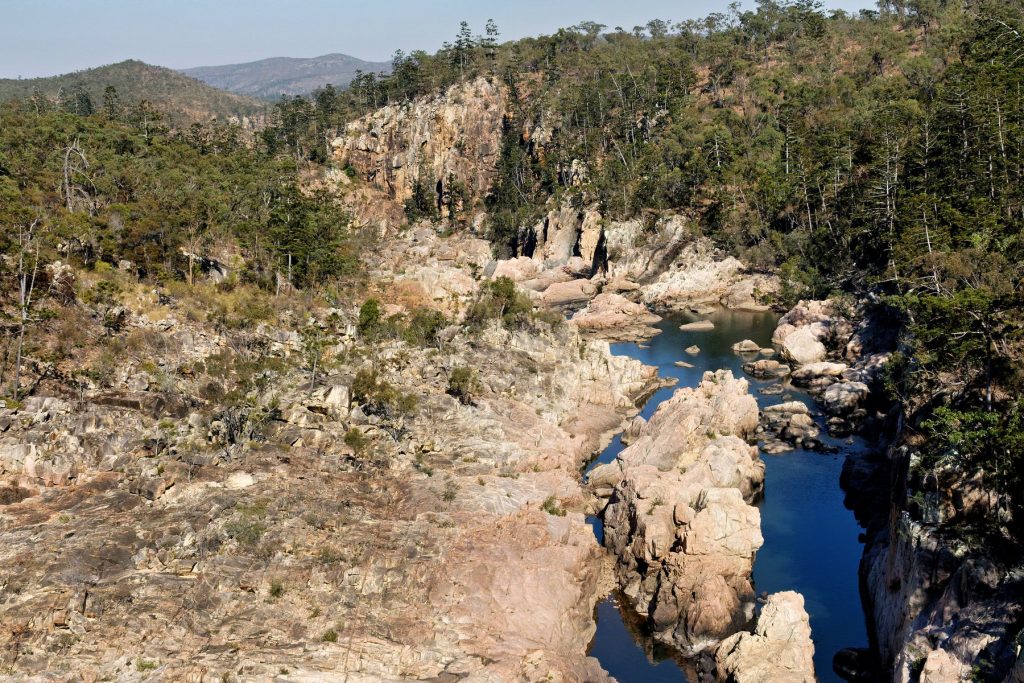
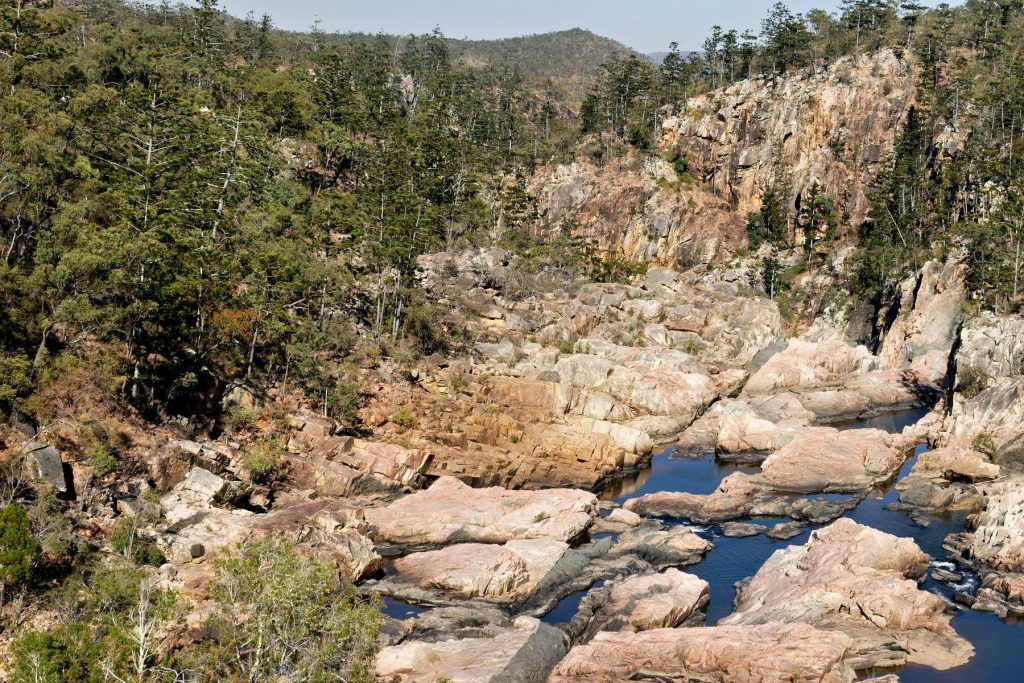
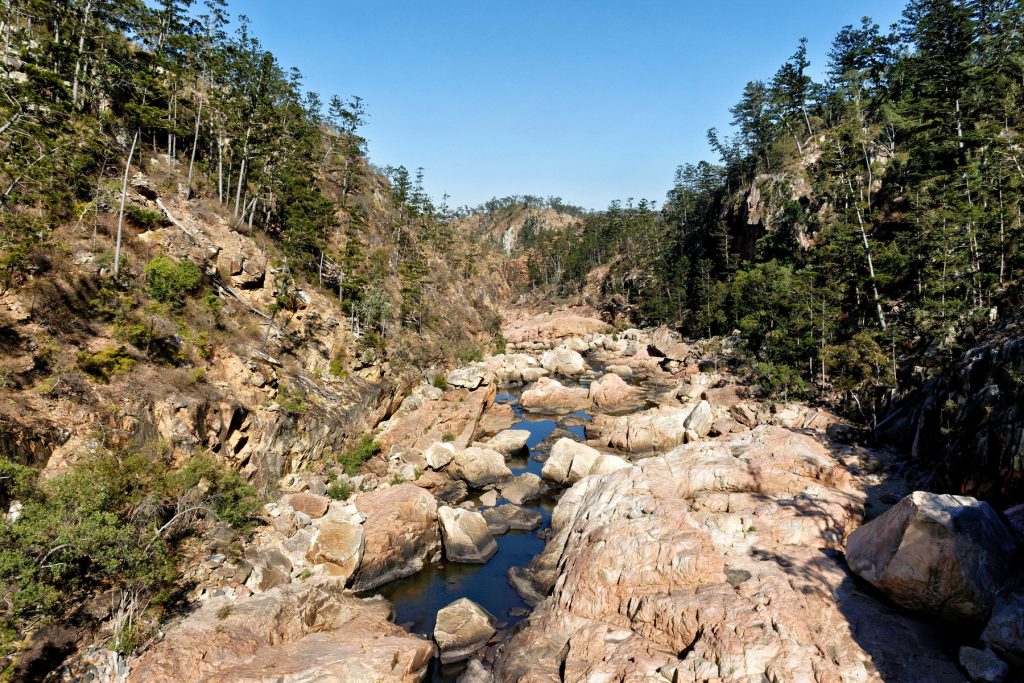
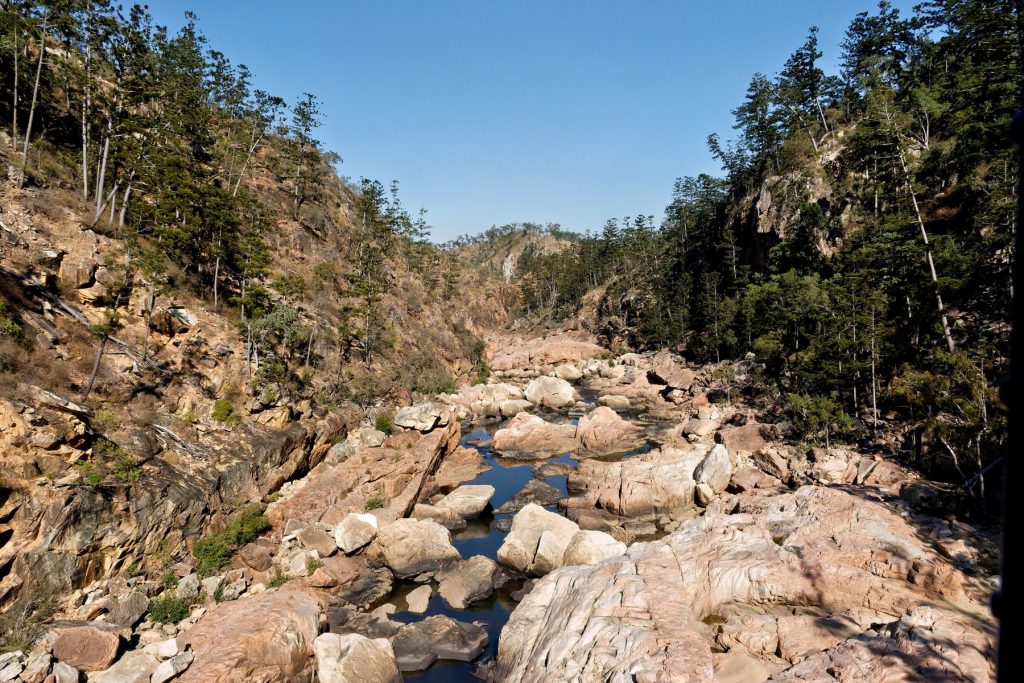
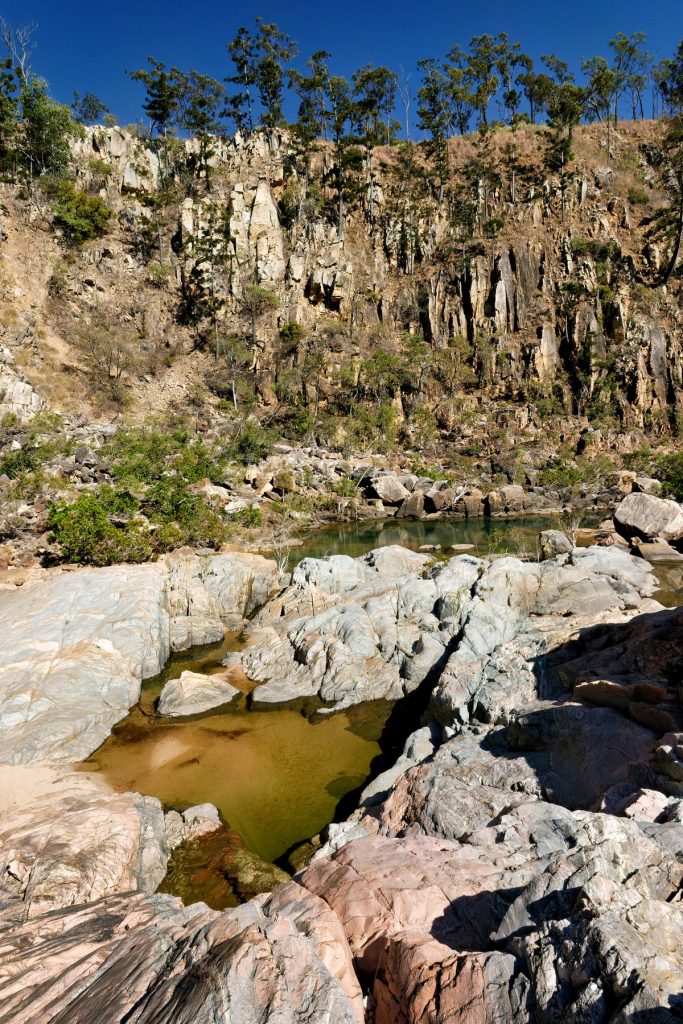
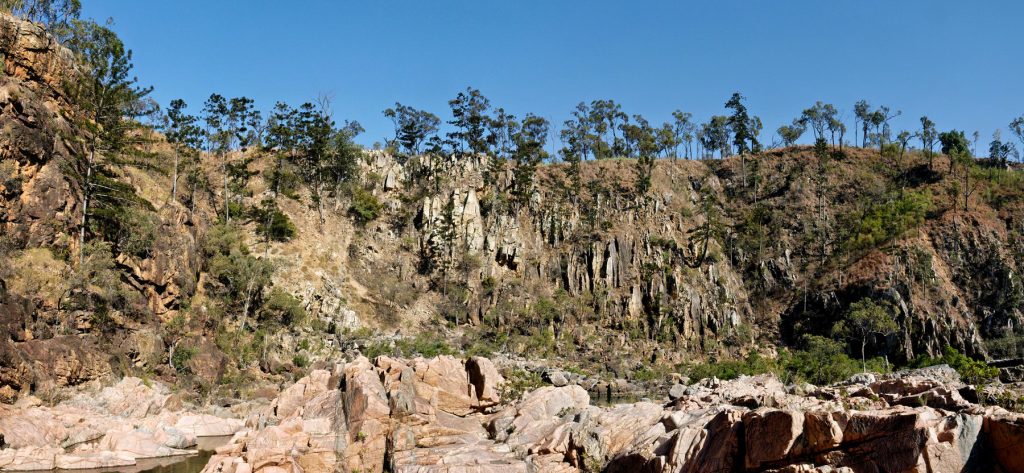
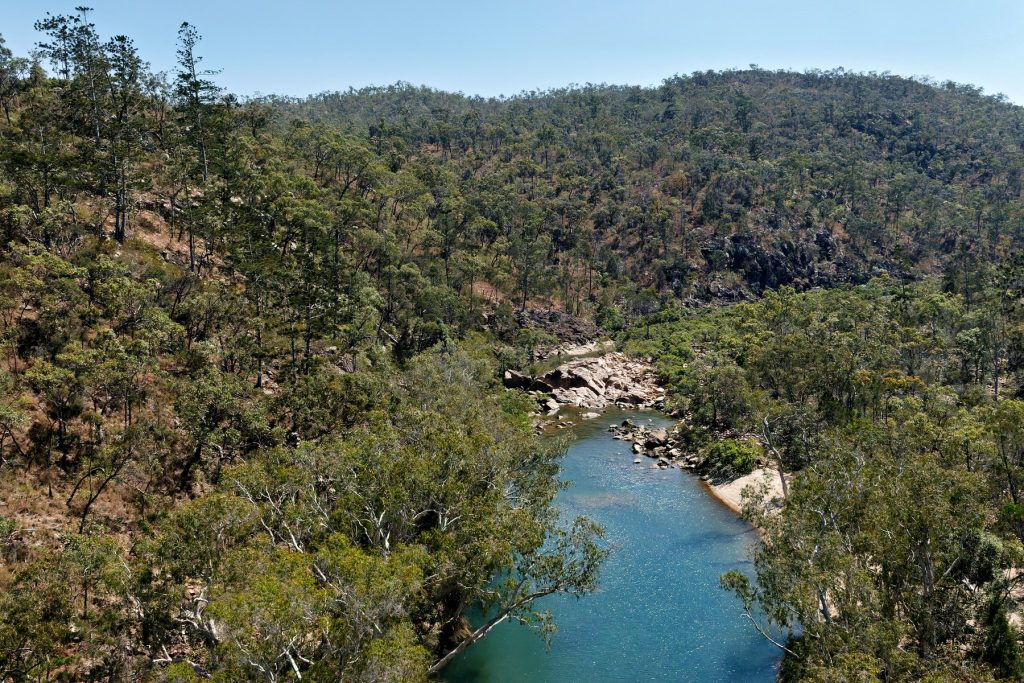
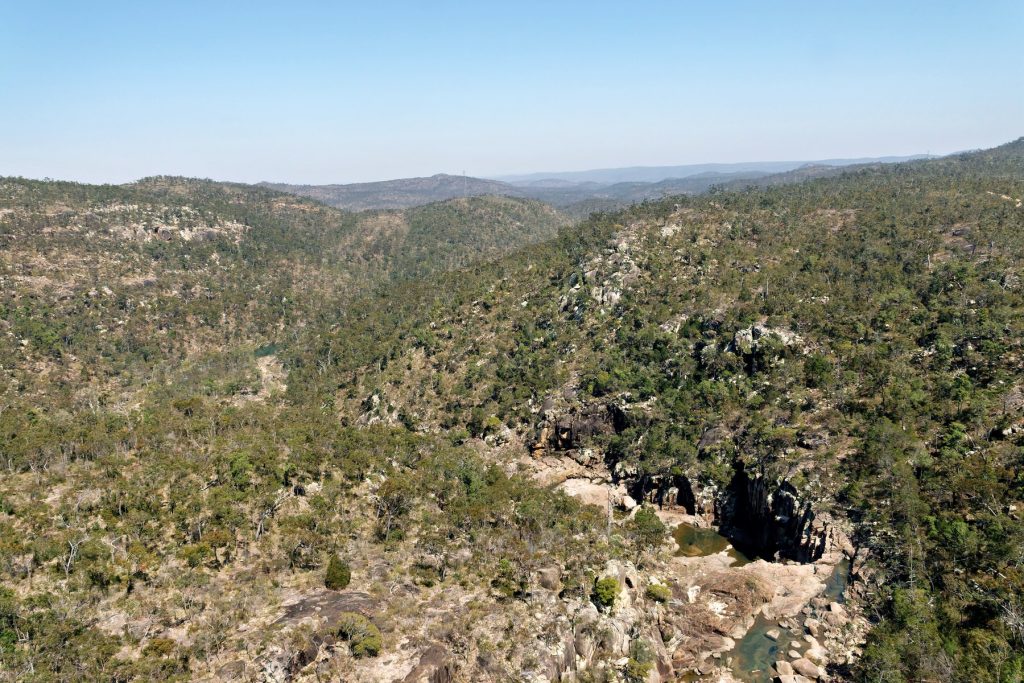
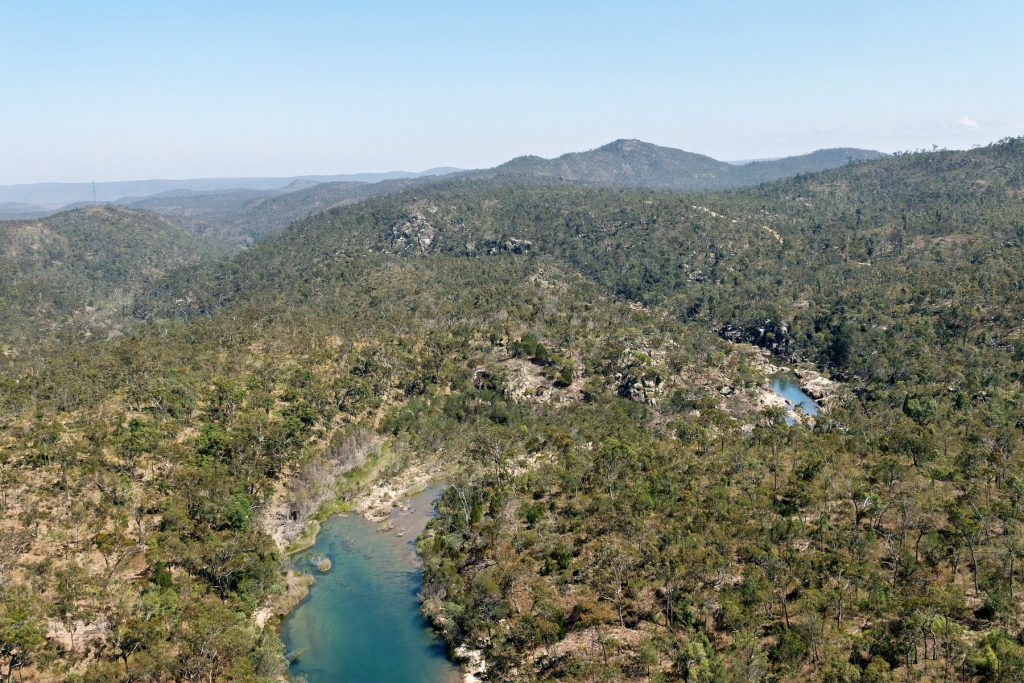
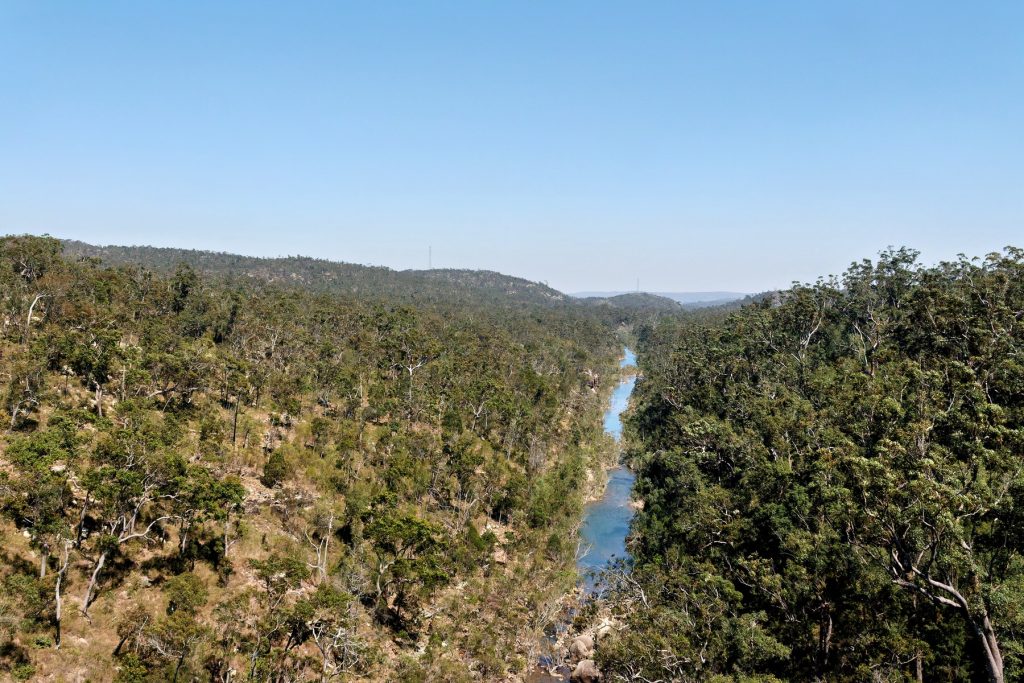
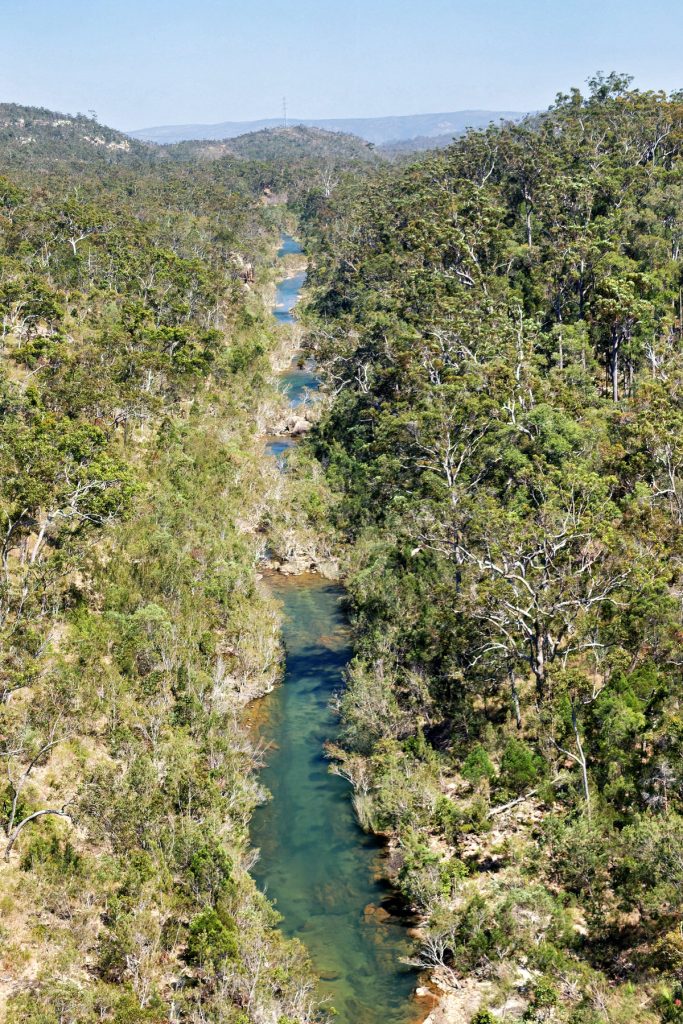
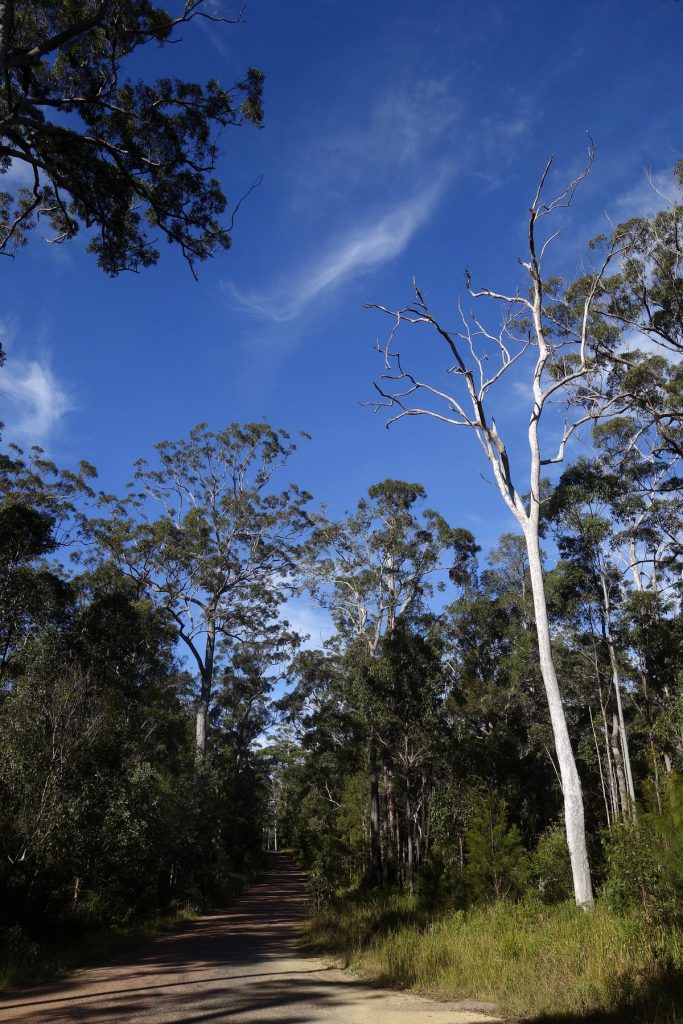
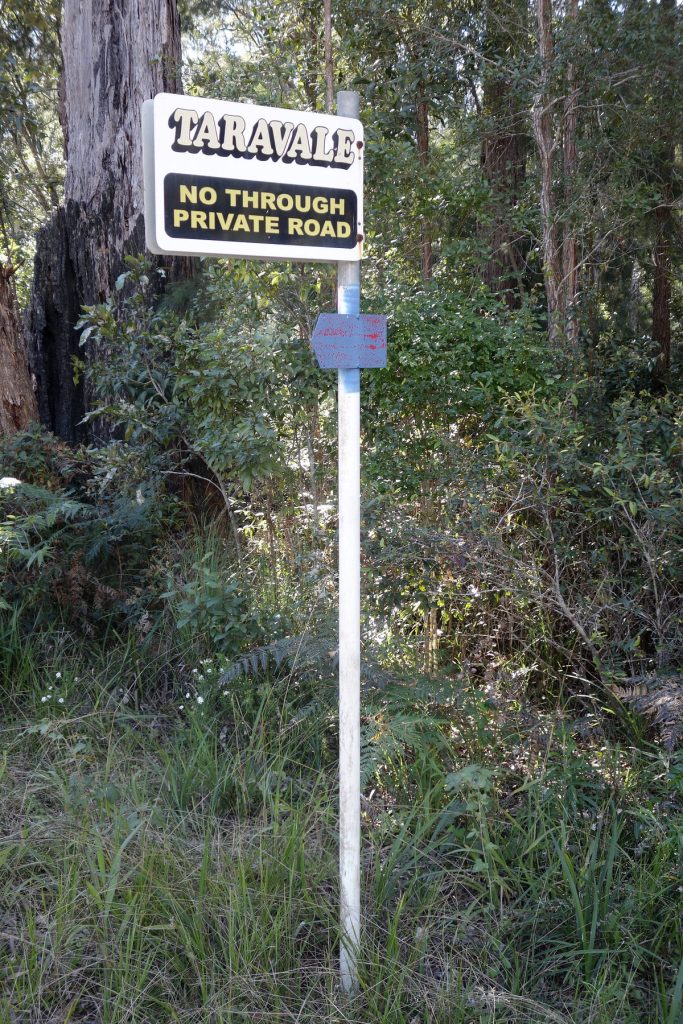
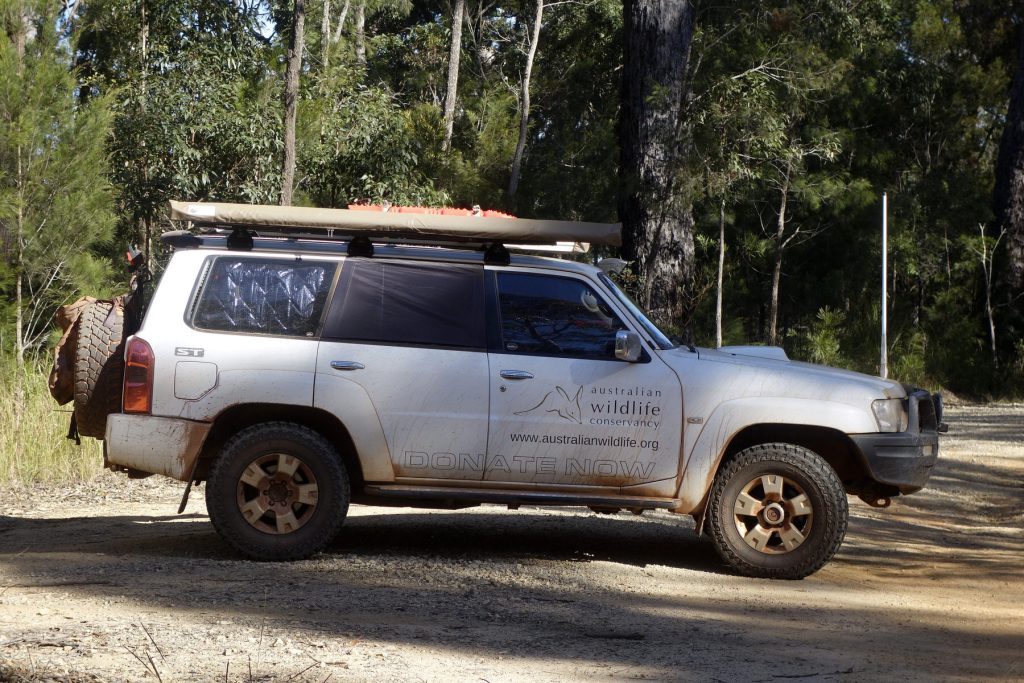
The first visit was to the entrance of the MZT, in a car. The road up was a bit narrow driving the Nissan Patrol and it was a long way down. That road was narrow and had blind corners everywhere.
The road down was not as bad when The Doc left the Supporter’s Event and someone else was driving!

Next The Doc jumped into a helicopter and had a short flight over the Bungles. You take off and 30 seconds later you are over the bee hives and from this perspective you begin to understand how the “bee hive” formations were eroded from the surrounding plateau. In fact, the Bungles are still slowly being formed today. Viva Cristo Rey.


The Doc is reprocessing images from the Bungle Bungles in Purnululu (Per-na-lew-lew) National Park in Western Australia, the original images were posted here. First up it is the reprocessed ground images, with the aerial images to follow.
Images are from Gorge Road, Spring Creek Track and Piccaninnny Creek. Viva Cristo Rey.


Sunrise and sunset images below.
One night at camp The Doc thought he was being watched, he turned on the torch to see a Tawny Frogmouth 2.5 metres away. They are silent on the wing and The Doc never heard it fly in and land, nor do their prey.
Plus a bonus image from Panikin Lookout, Lake Argyle Road, Lake Argyle (the last image).


Part 2 of the Point & Shoot images from places like Munjina Lookout Road, Albert Tognolini Lookout, Karajini NP Visitor Centre, Warlu Way, Kalamina Gorge Trail, Hamersley Gorge Road, the Roebourne – Wittenoom Road at Chichester, Deep Reach Picnic Area on the Barrimirndi Trail, Panorama Lookout at Roebourne, Python Pool Trail at Millstream, Miliyanha Campground at Kanjenjie, Snappy Gum Drive and the Tom Price-Karratha Road. Lots of panoramas this time around.
How does The Doc know these names years later? All his images have GPS co-ordinates put into them, plus he adds keywords. However another source is using those GPS co-ordinates to Reverse GeoCode the images, this process puts location data into the photo. The Doc just copied some of that information from the images into the blog post.
Viva Cristo Rey.


The Doc also carries around a Point & Shoot camera and these images are from that camera. They are what The Doc calls “explorer images”, but they also have some memorising panorama images.
From places like Juna Downs, Great Northern Highway, Karijini Drive, Joffre Lookout, Kalamina Gorge Waterfall, Kalamina Gorge Lookout and Banjima Road Karijini.
Viva Cristo Rey. Click on image to see full size slideshow.


Reading older blog posts The Doc noticed he has said there are lots of Pilbara images, but had not posted them. That is now remedied, here is a selection. Images from Karijini National Park, it surrounds, Millstream Chichester National Park and surrounding areas. Viva Cristo Rey, enjoy.


On the trip to collect the Vista RV Crossover caravan, The Doc had a short stay at Dubbo and managed to visit the Narromine Aviation Museum.
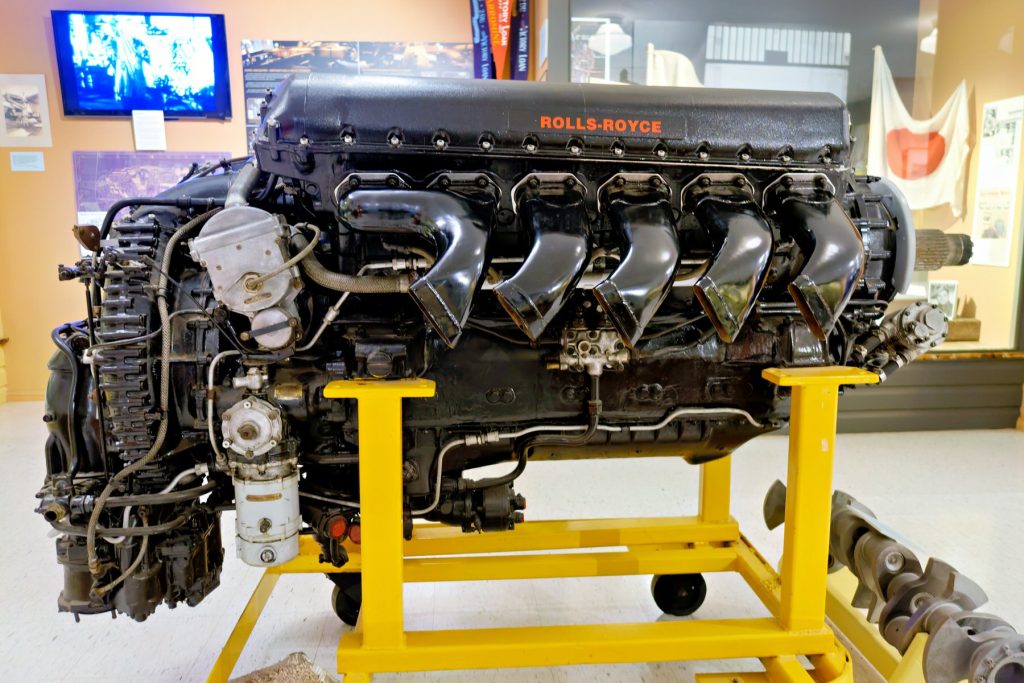
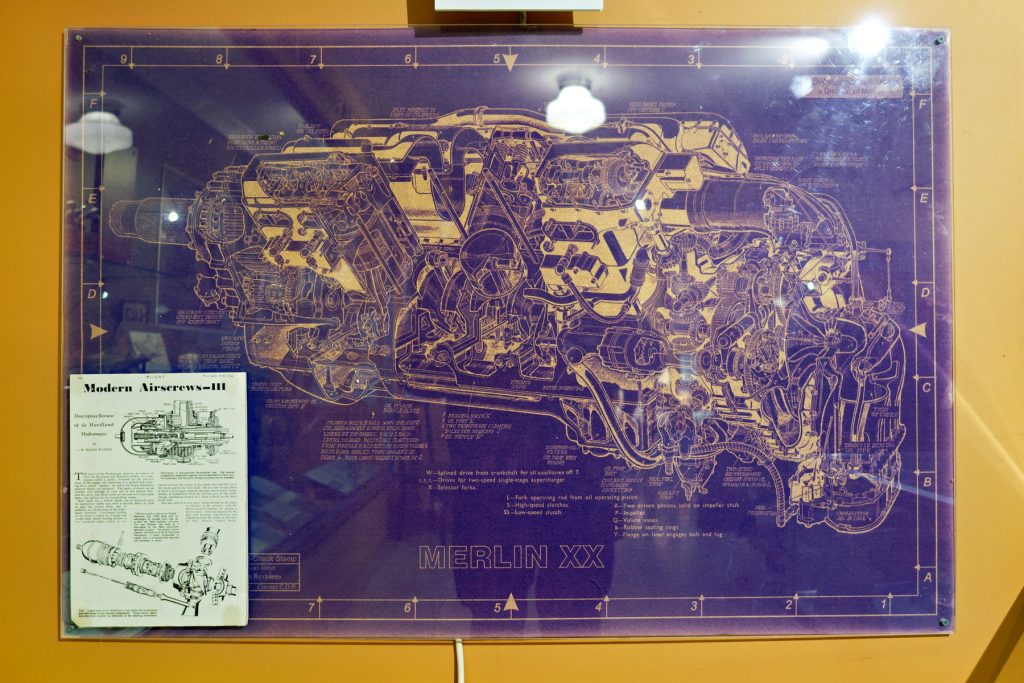
During WWII Narromine was one of the largest pilot training schools in Australia. Images include the Rolls Royce Merlin engine, from a De Haviland Mosquito, as well as parts of the Bristol Beaufighter used by Australia during WWII.
The Mosquito used a Rolls Royce Merlin Mk25 engine. It had a single stage supercharger for low level missions of 618 RAF Squadron. In December 1944, 618 RAF Squadron was deployed to Australia to use Barnes Wallis’ Highball bomb against Japanese targets – aka a variation of Wallis’ famous dambuster bombs. But 618 were never deployed into combat in the Pacific and the Mosquitos ended up at Narromine and were sold off after the war. De Havilland Aircraft also built Mosquitos at Bankstown Aerodrome in Sydney.
The Dambusters were 617 RAF Squadron, flying Lancaster Bombers using the Upkeep variation of the bouncing bomb.


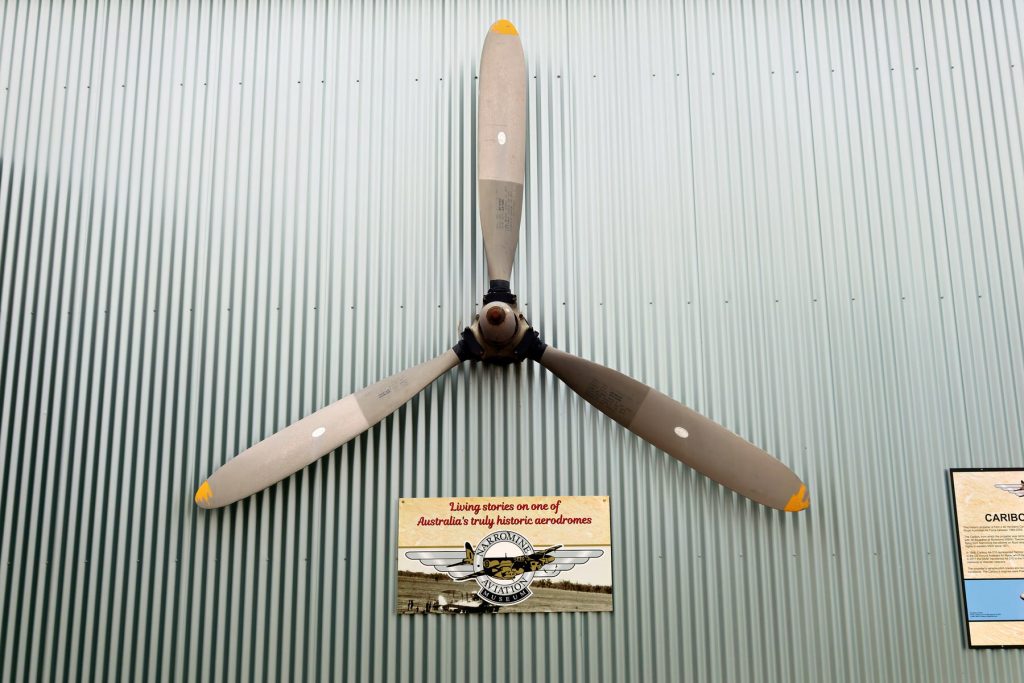
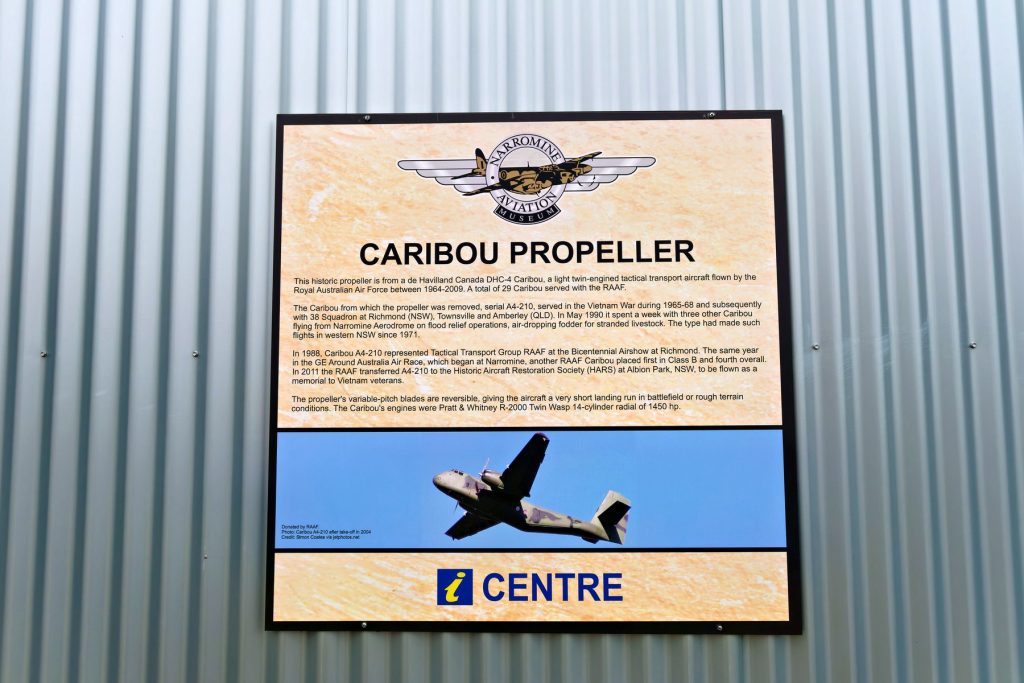
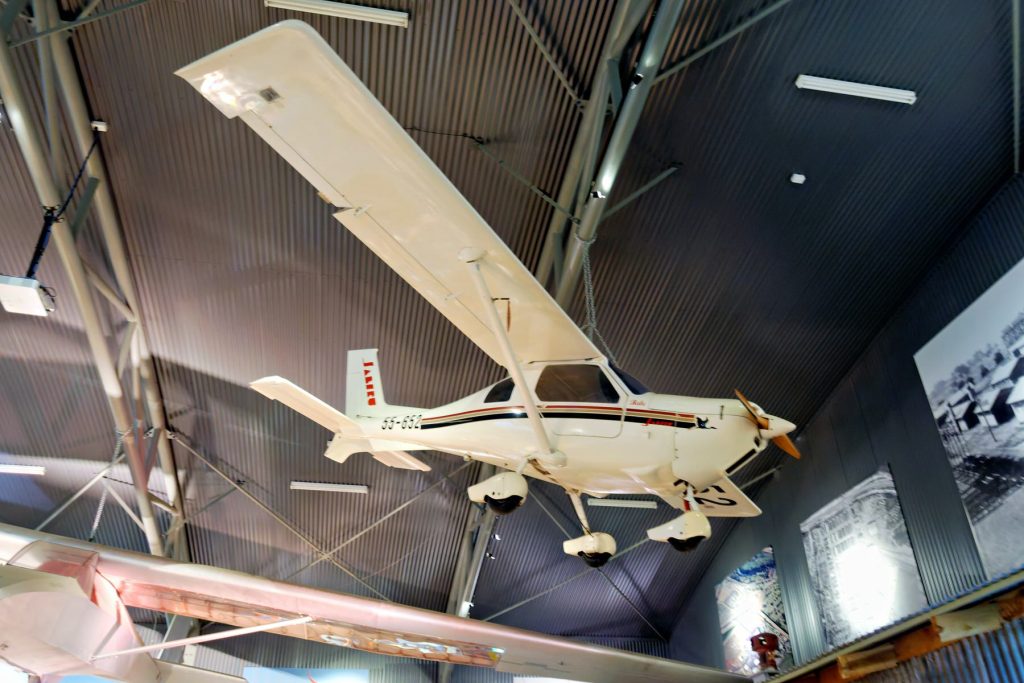


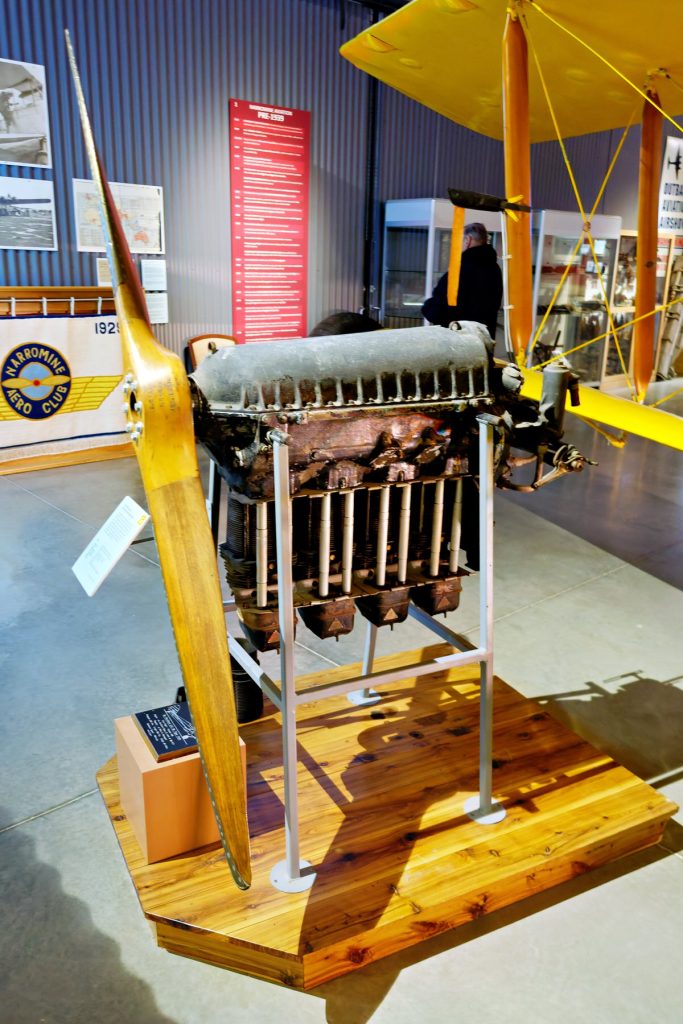


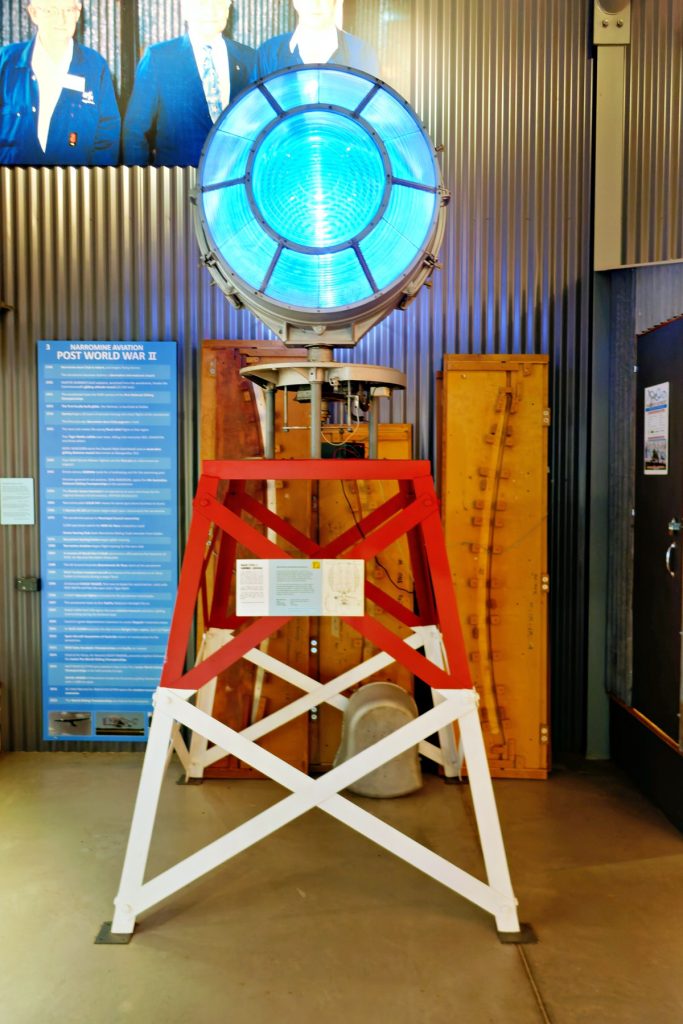

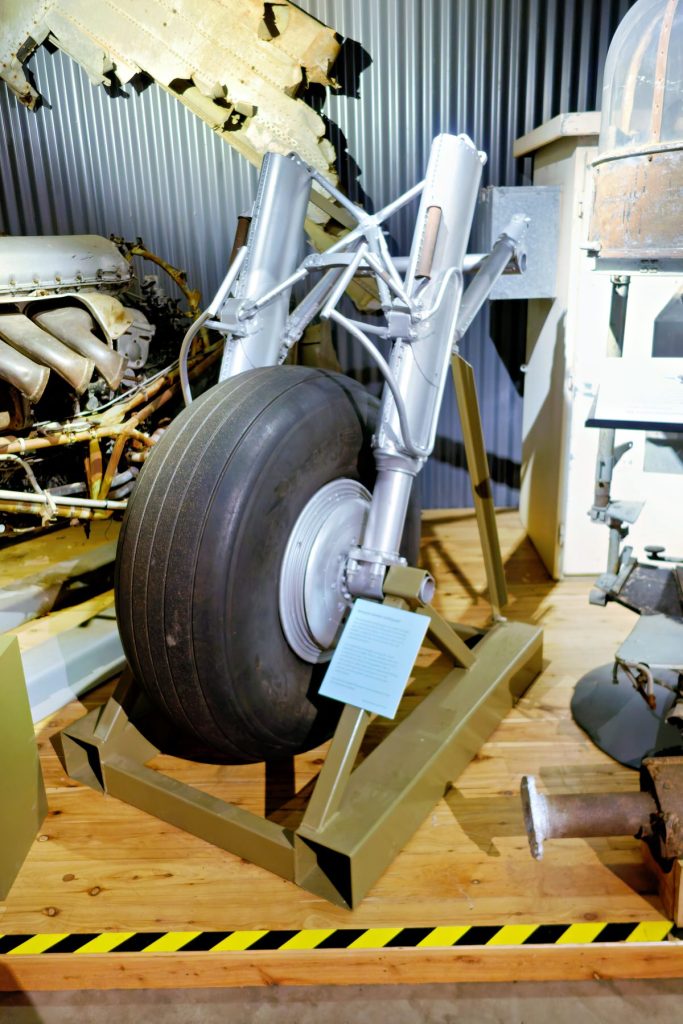
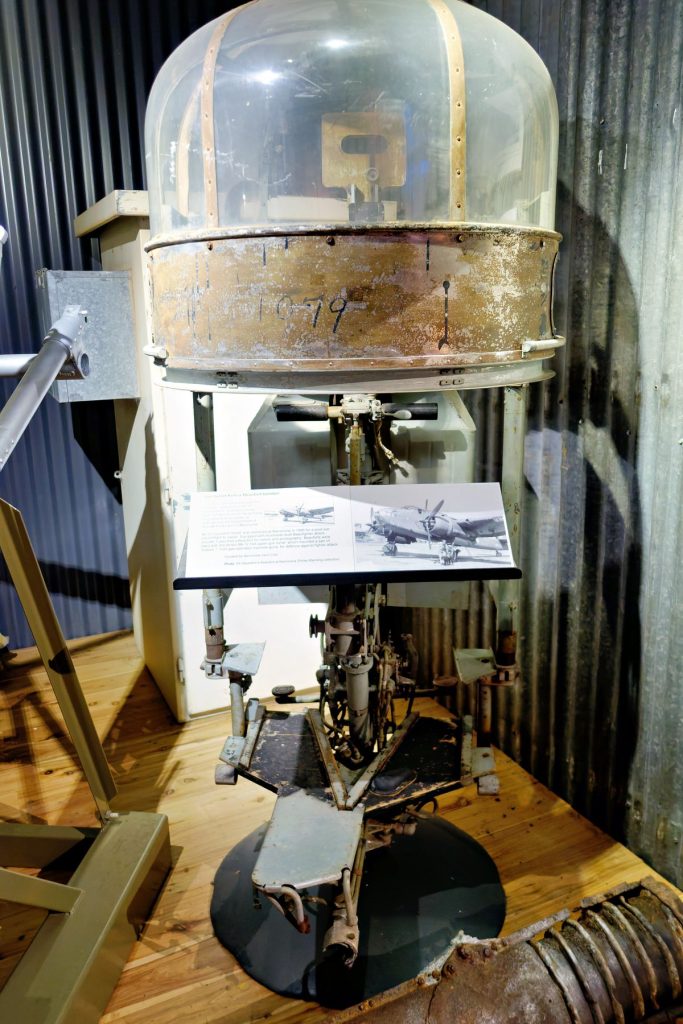


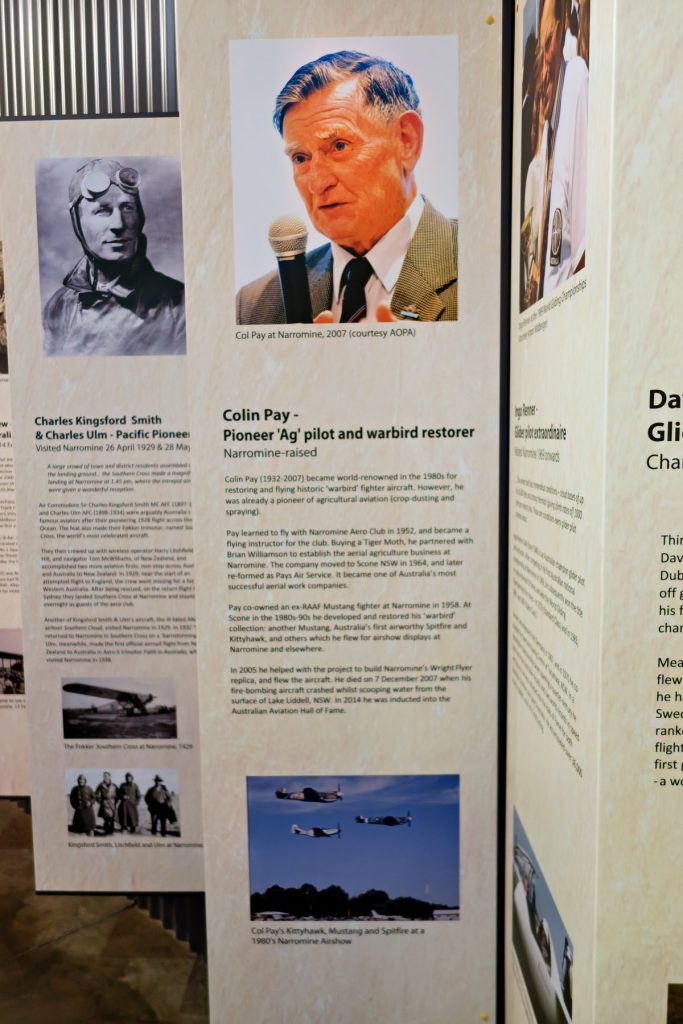


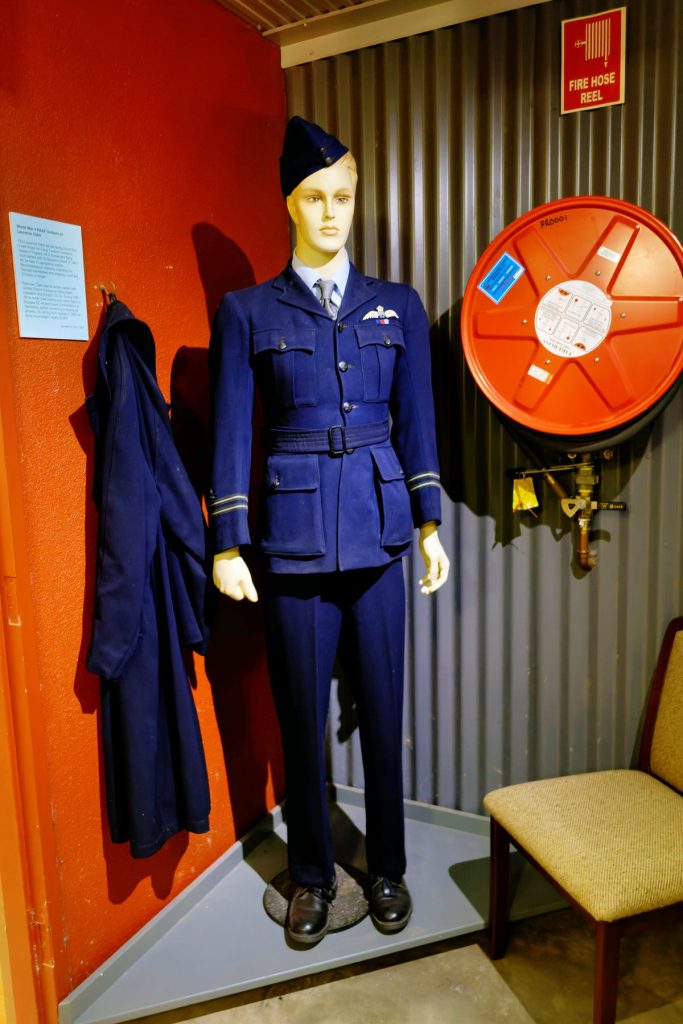

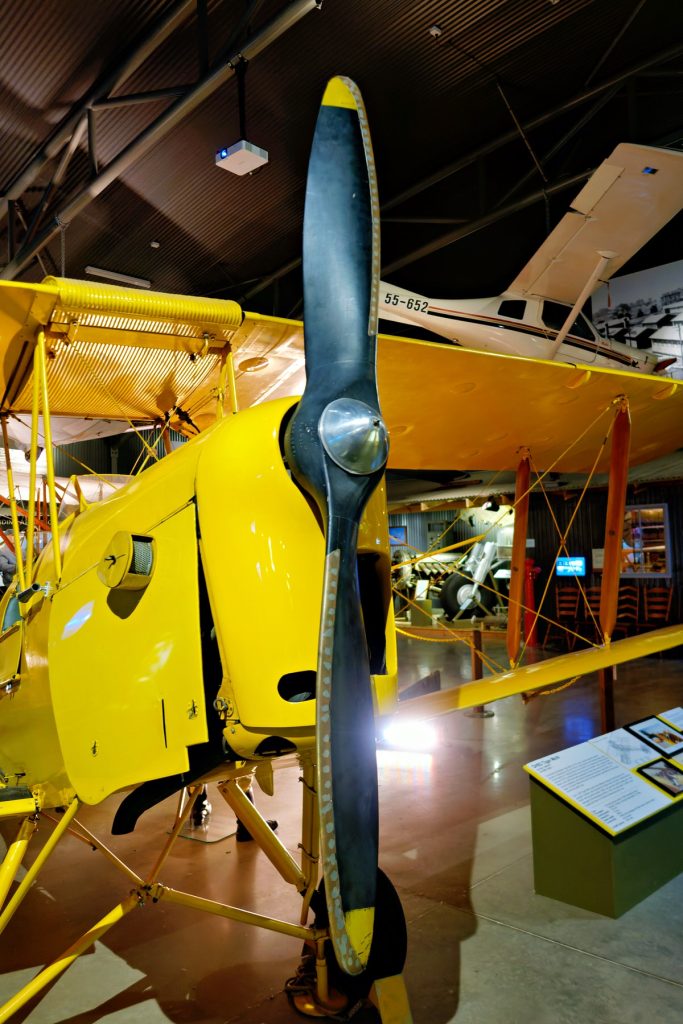
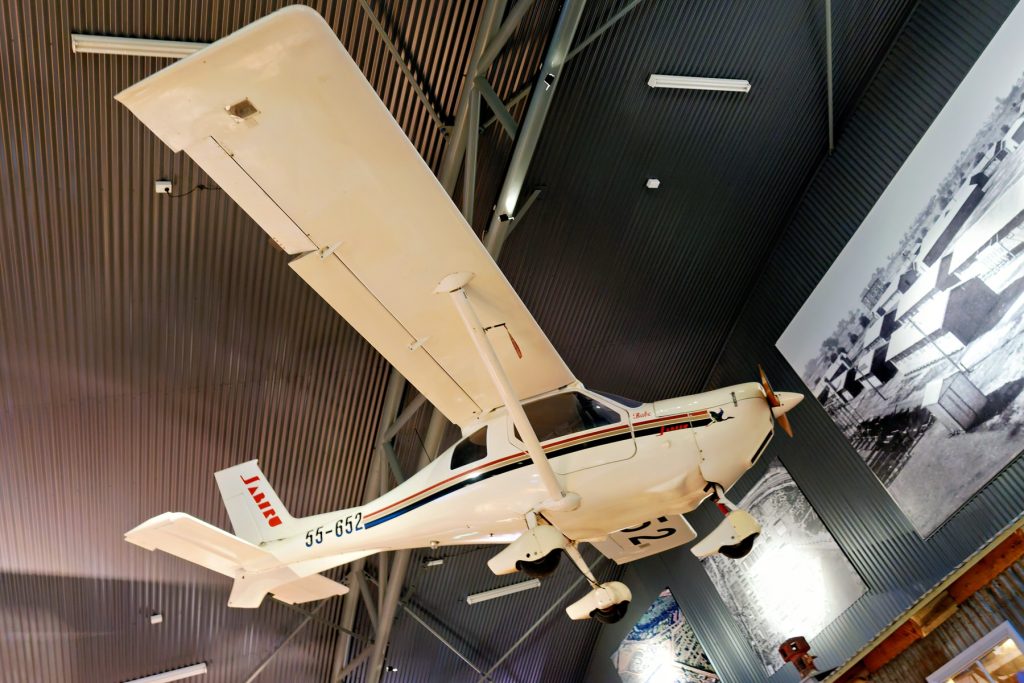
After towing the Vista RV Crossover to Dubbo, The Doc visited the Narromine Aviation Museum.

A few days ago The Doc and his friend Steve visited Waulinbakh Wildlife Sanctuary at Stroud New South Wales. Our guides for the day were AWC staff Elly and Josh.
Steve’s main objective was locating live myxos in the field. We had success locating 5 or 6 species. The Doc located the first myxos, but they were of poor quality, but later he spotted a large fallen tree which turned out to be a myxo gold mine. Steve’s find on the rotting tree included a myxo that had only ever been reported in NSW twice before (one of those sightings was by Steve). It was Steve and Josh who did all the heavy myxo lifting.
We met with three other AWC staff that day on site, one of the land managers Matt and two senior staff on visit to the sanctuary.
Steve and The Doc brought along morning tea and lunch, after an early visit to the Buladelah Bakery. Small thank you gifts to the AWC staff were also given.
We stayed at the Lady Jane Motel in Buladelah for two nights as part of the trip, run by a hard working family. They are in the process of renovating the motel. The room The Doc had was great, but the newly refurbished rooms were amazing. It was a great stay.
The myxos found are still being photographed by Steve. Steve has a self published a book of myxos here.
A big thank to Australian Wildlife Conservancy and the owners for allowing us to visit. Here are some images from the visit. The Sony P&S camera struggled in the low light conditions.


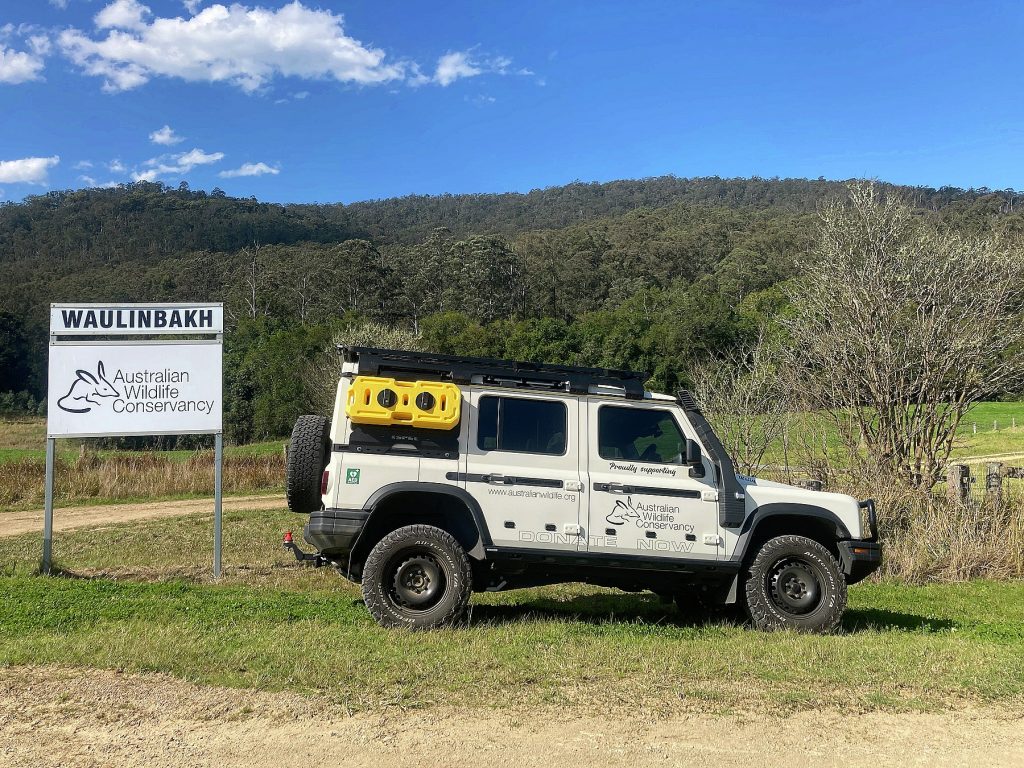
The Doc gets a guided tour of Waulinbakh Wildlife Sanctuary this week, provided the rain holds off. Mate Steve Young wil be looking for myxos in the field. Waulinbakh is privately owned but some conservation efforts are undertaken by AWC.
You must be logged in to post a comment.