Category Archives: NT

Lorella Springs Station revisited – Part 2

Part 1 is located here.

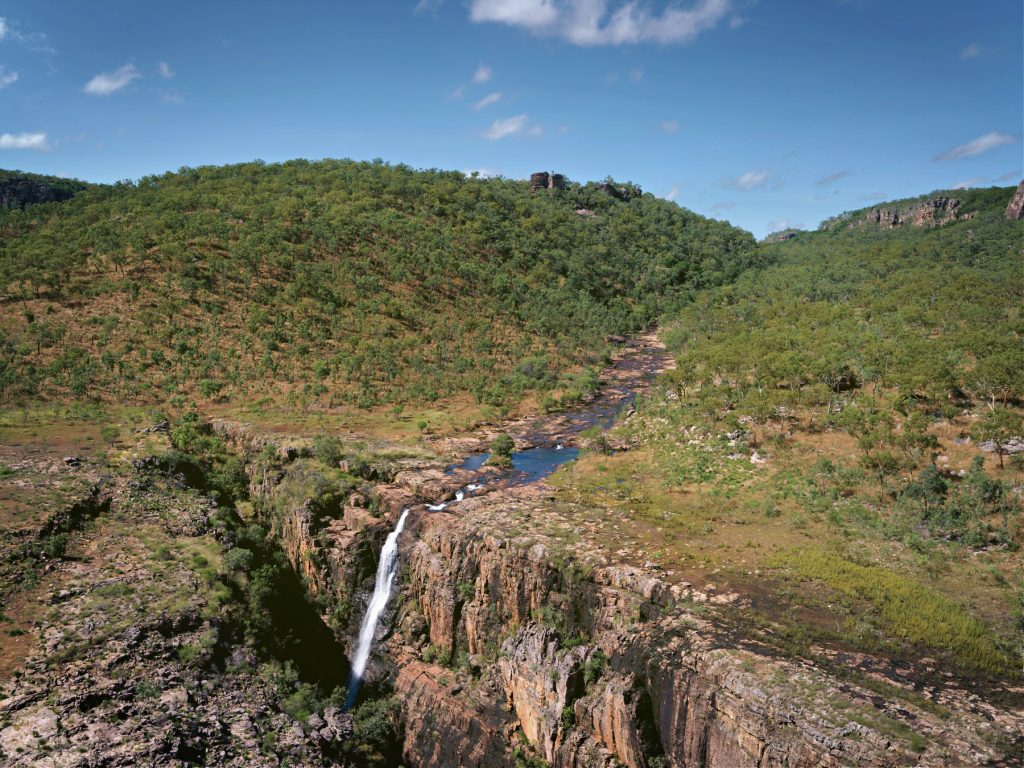
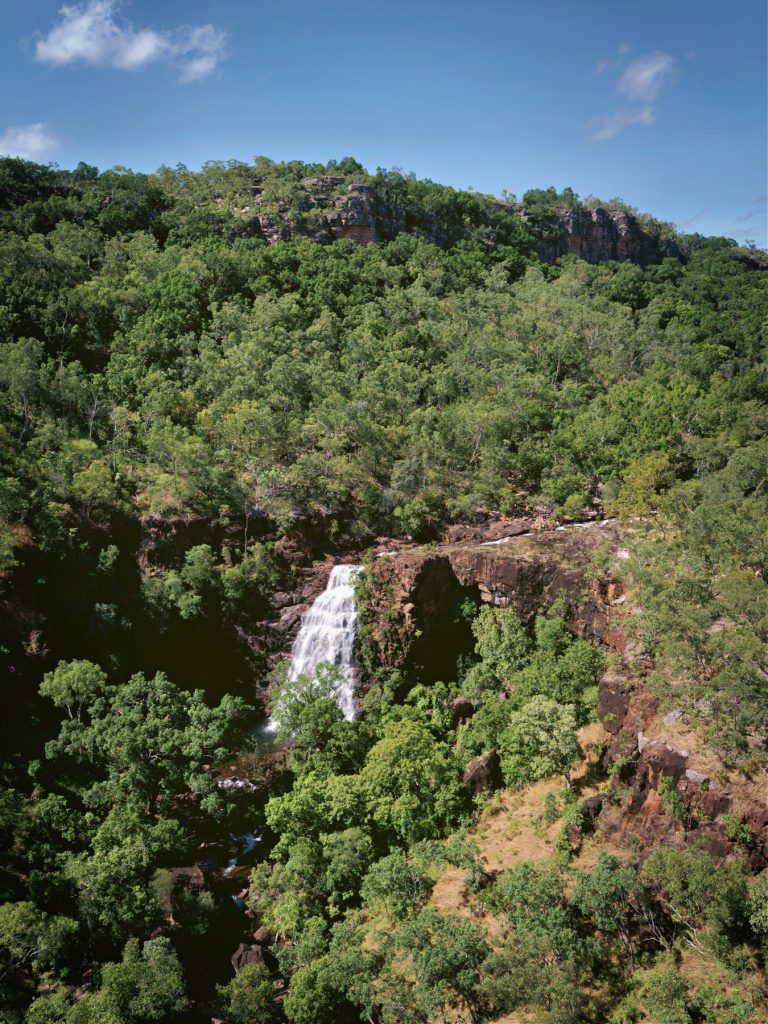
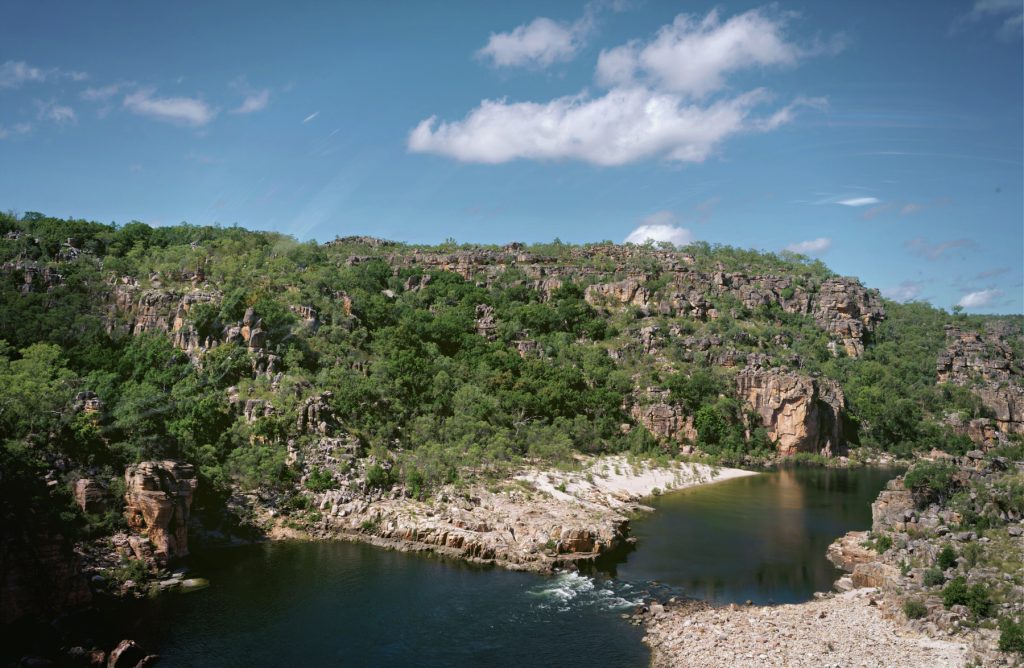
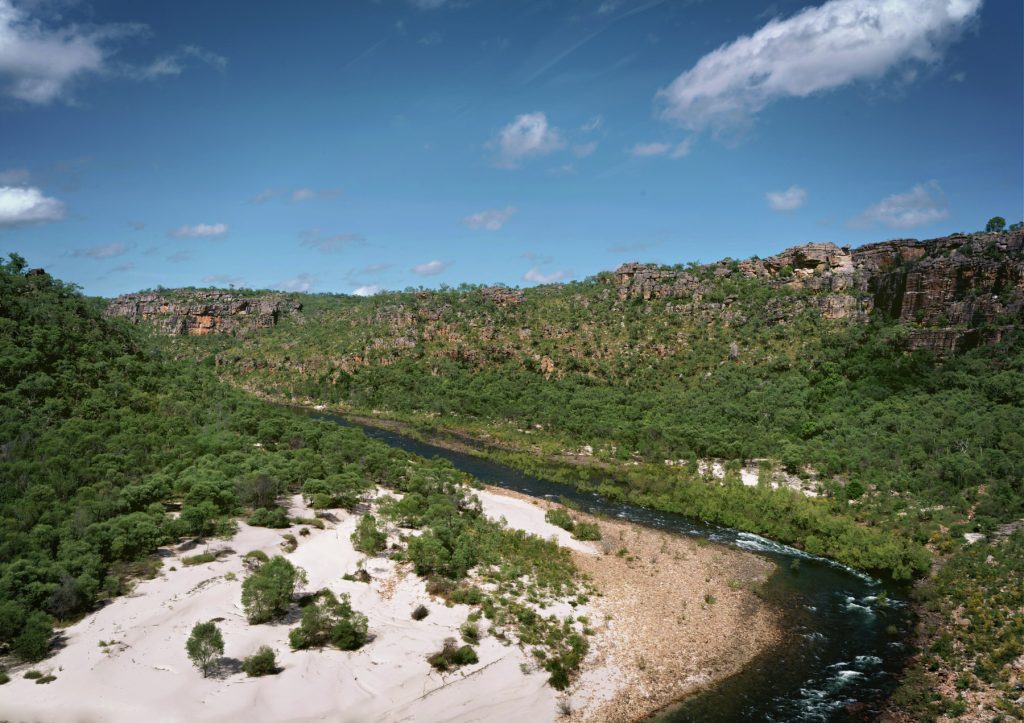
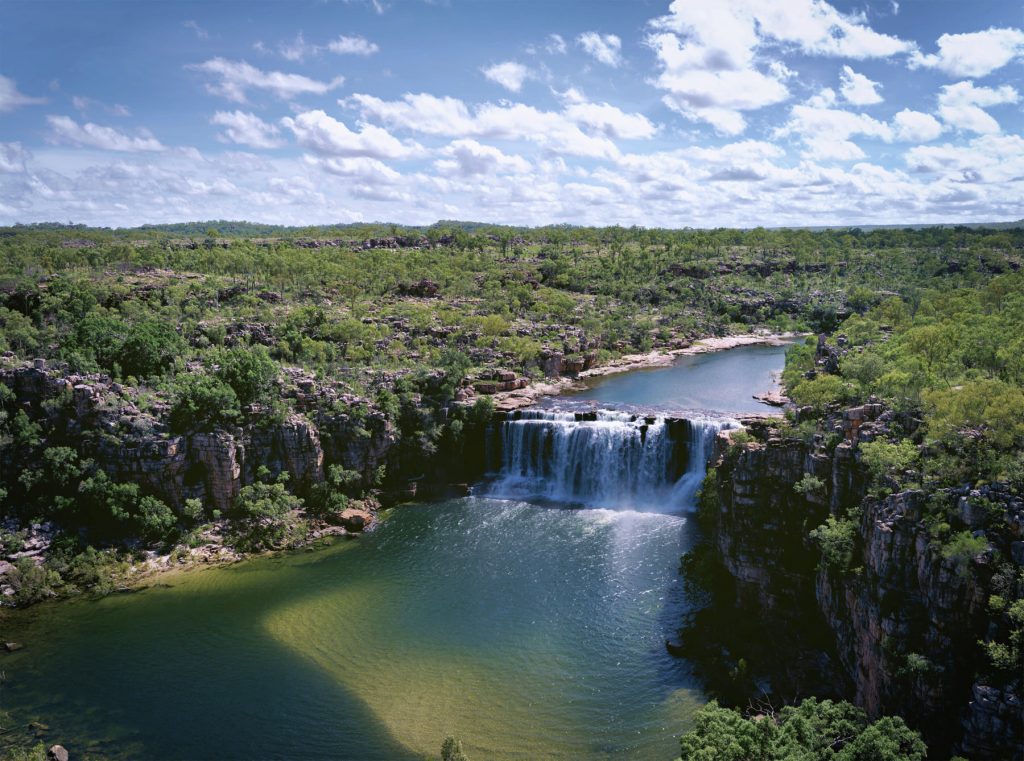
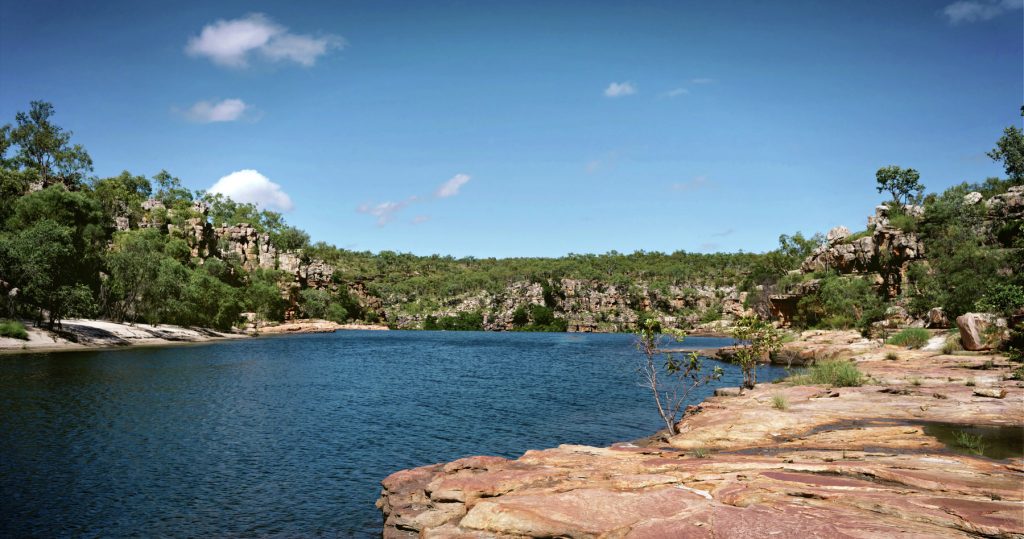
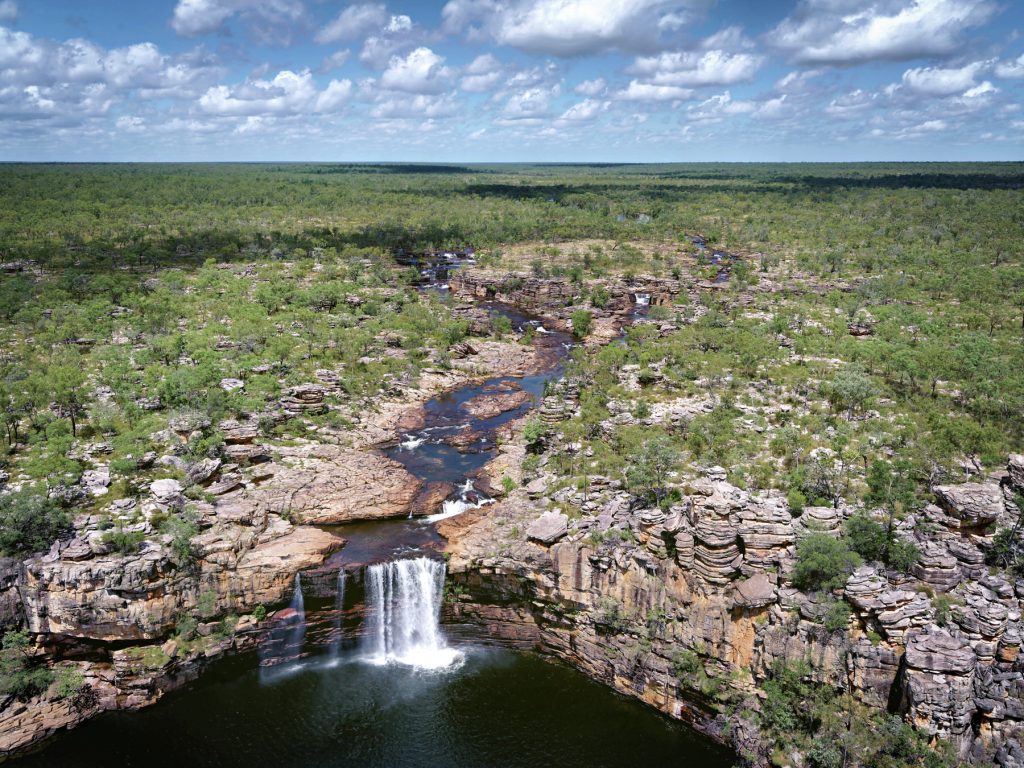
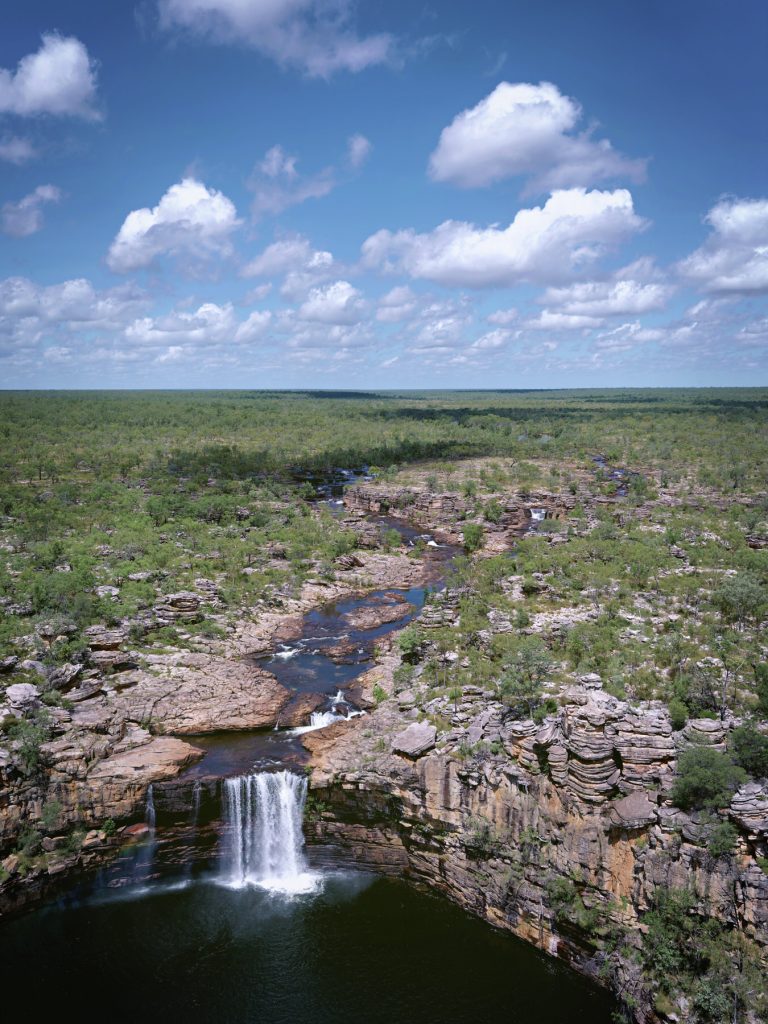
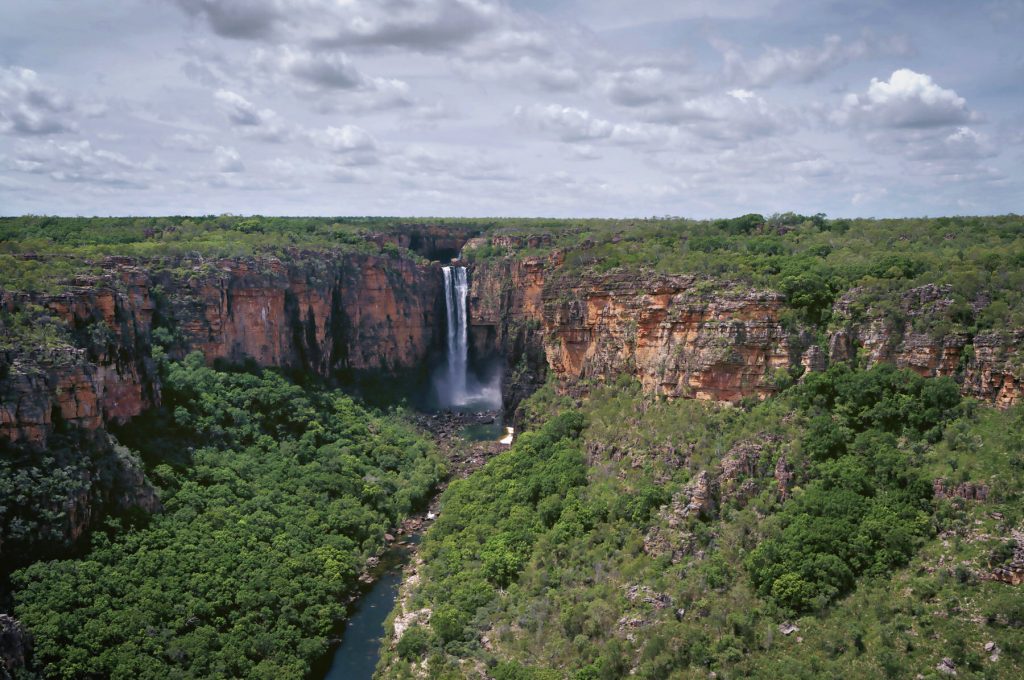
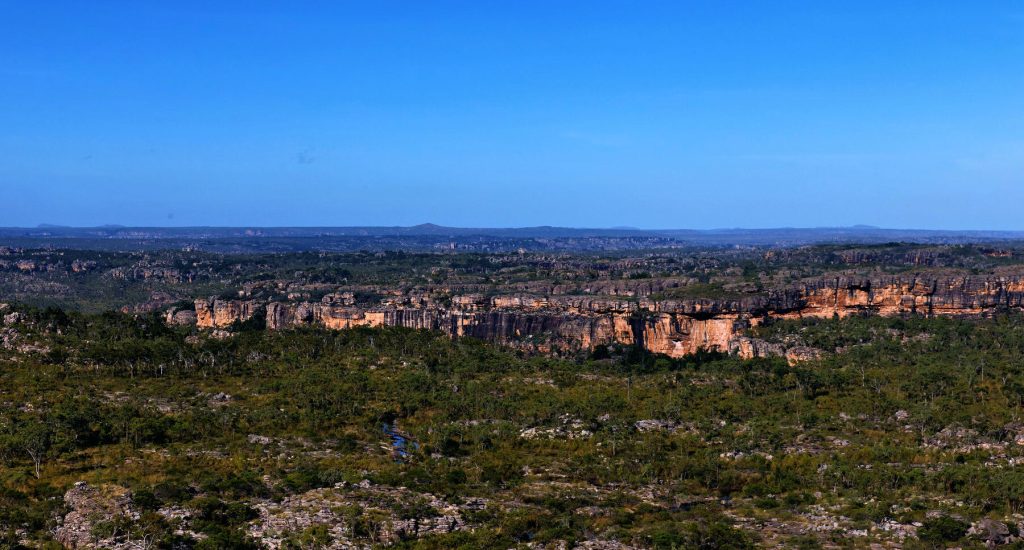
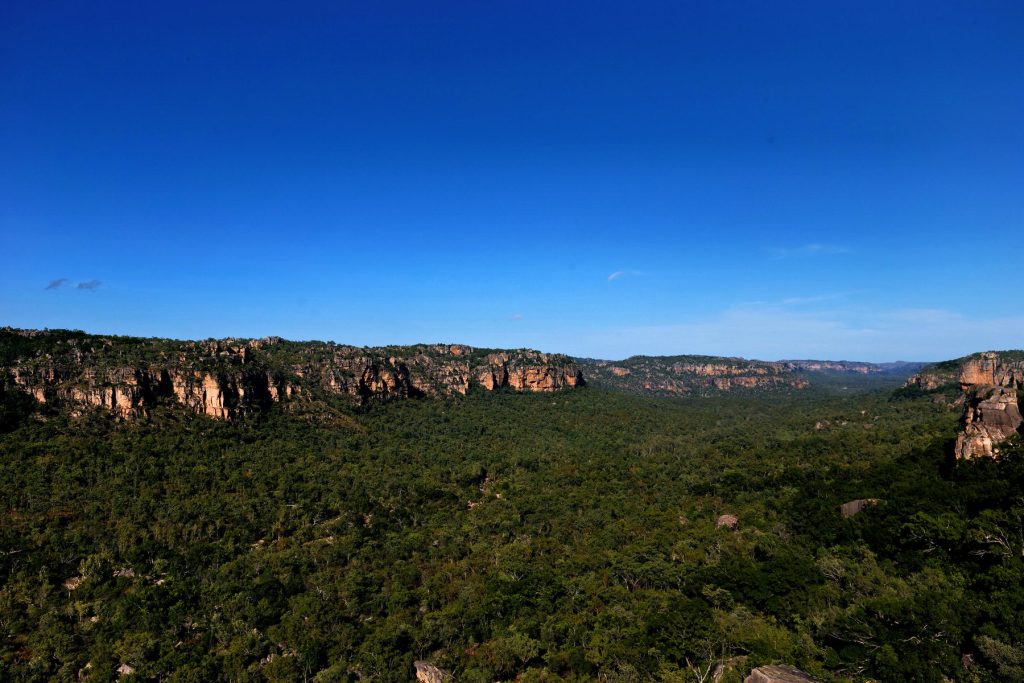
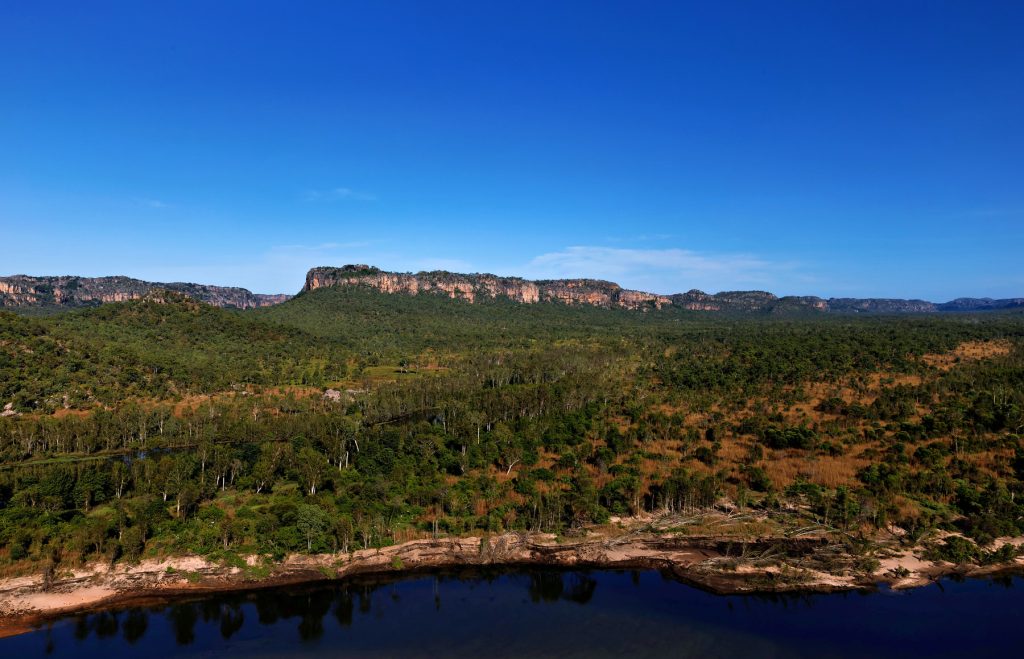
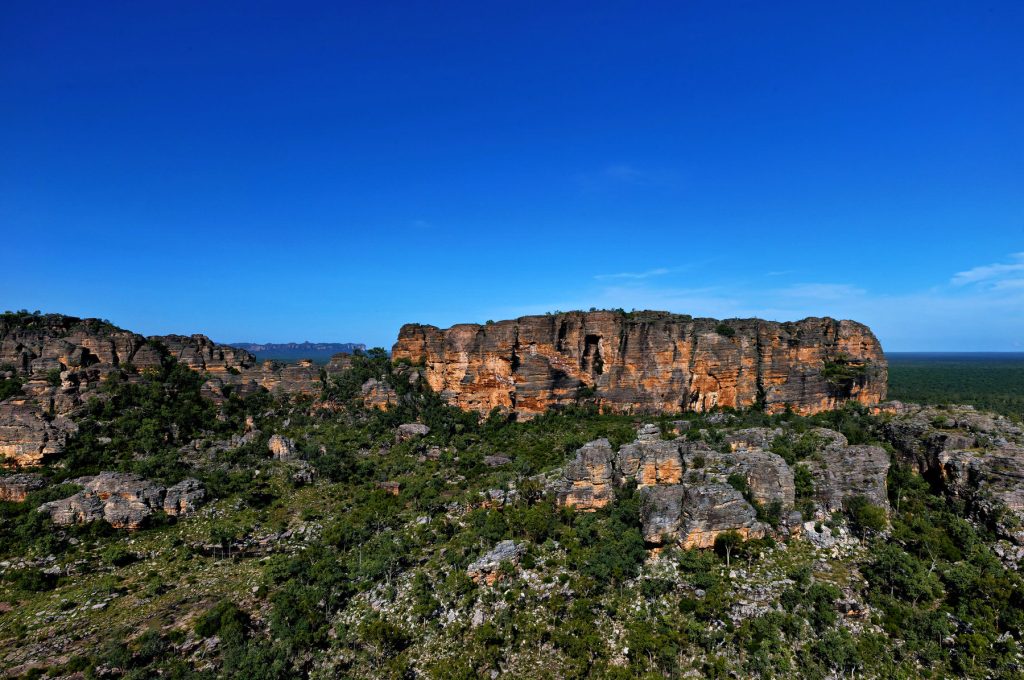
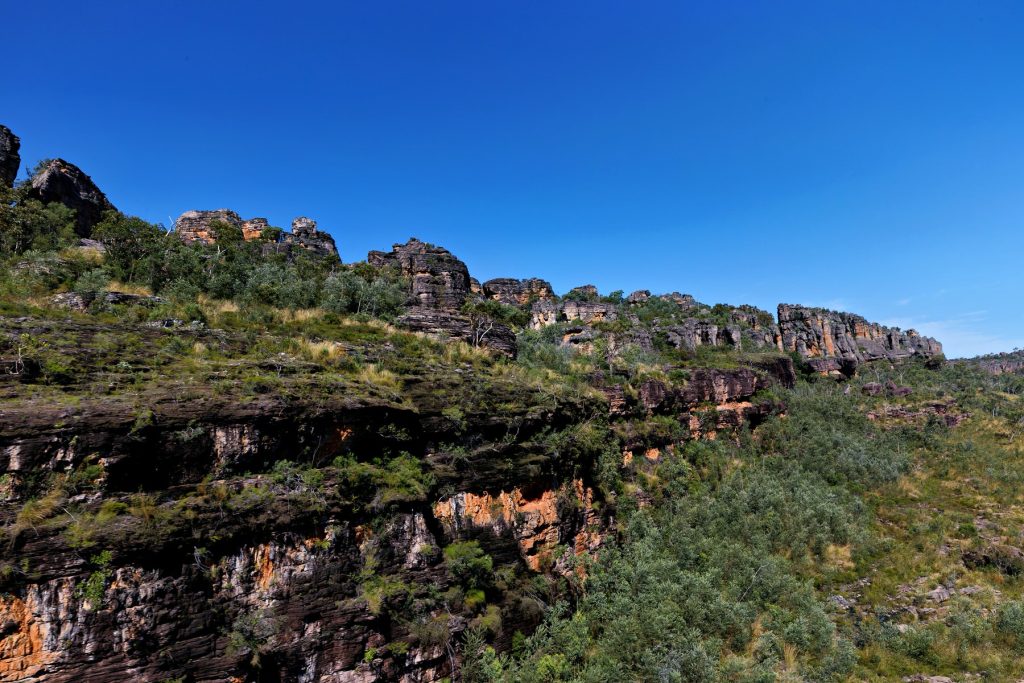
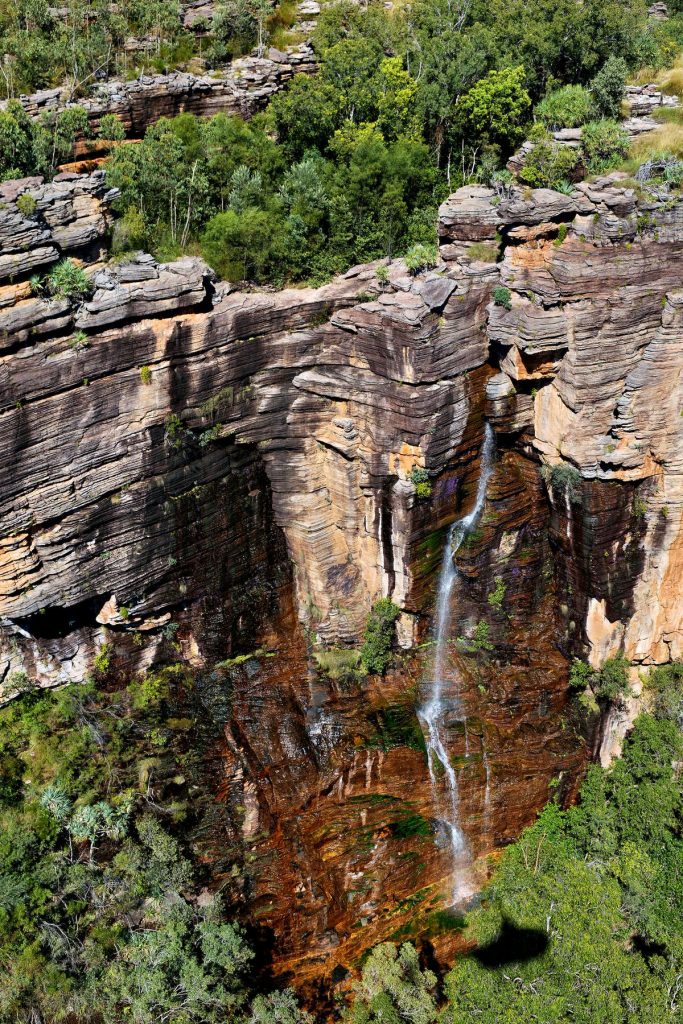
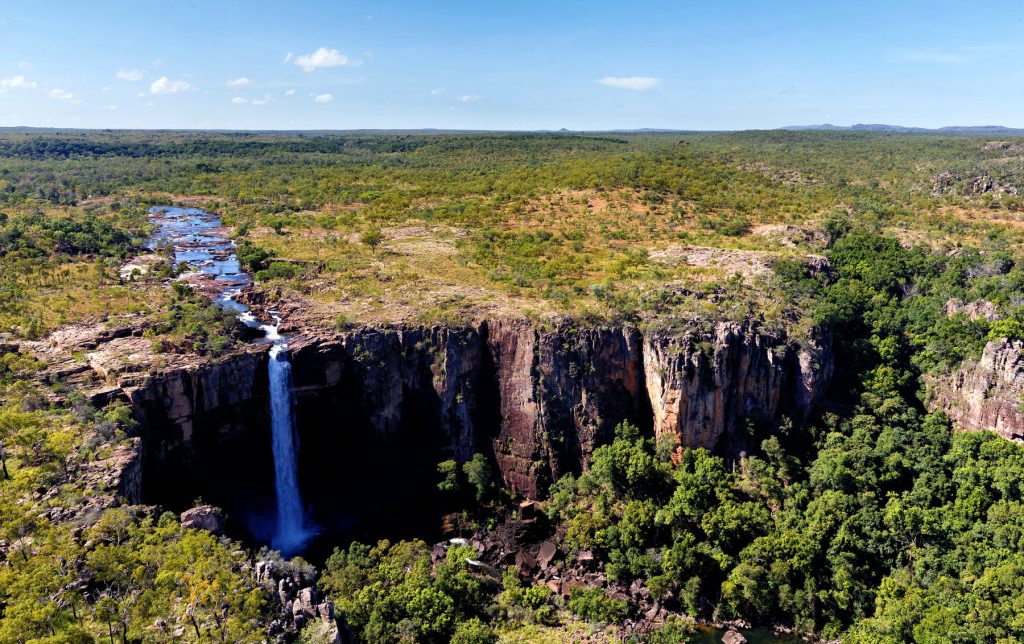
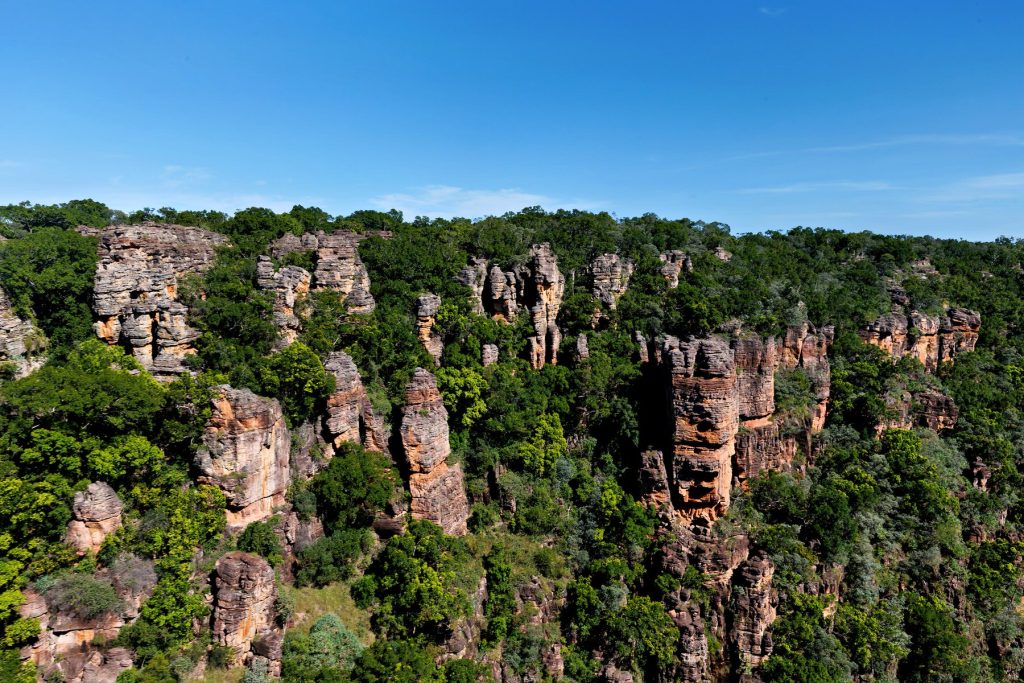
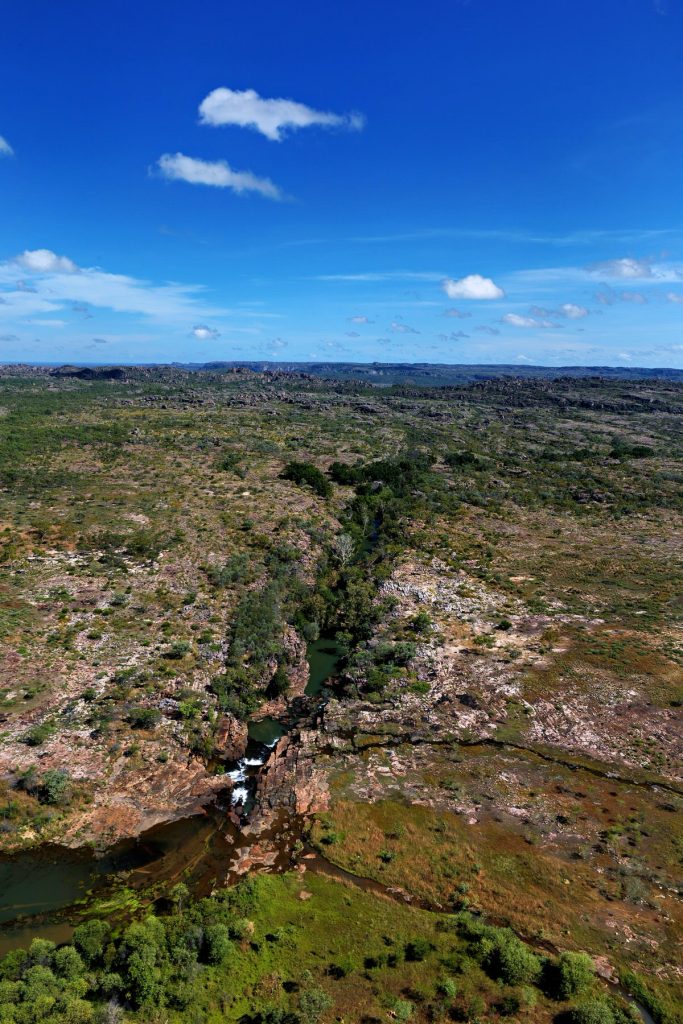
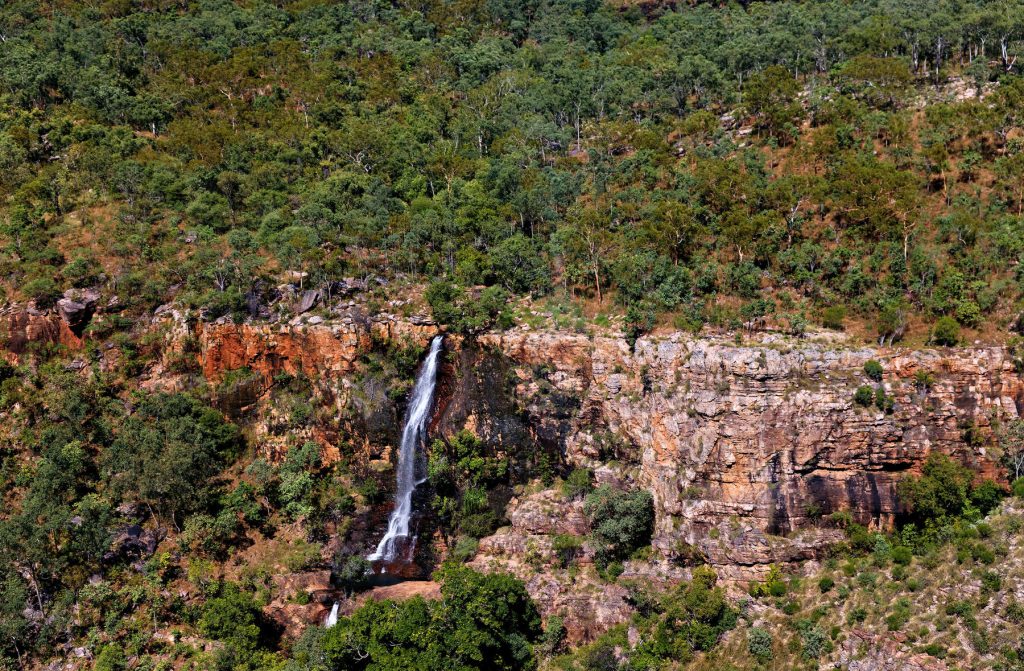
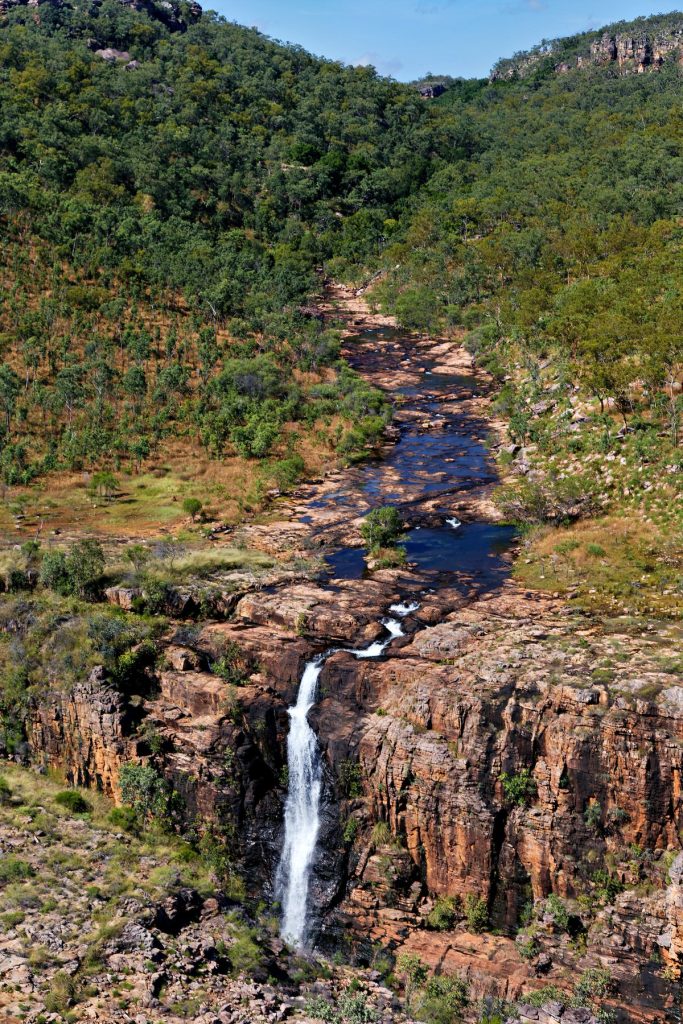
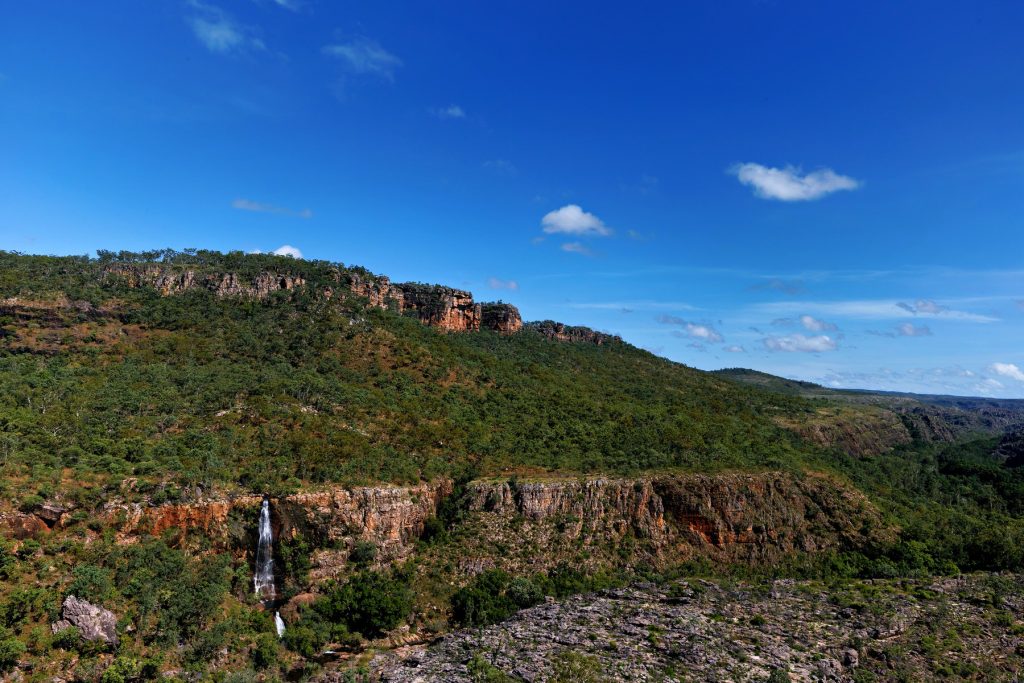
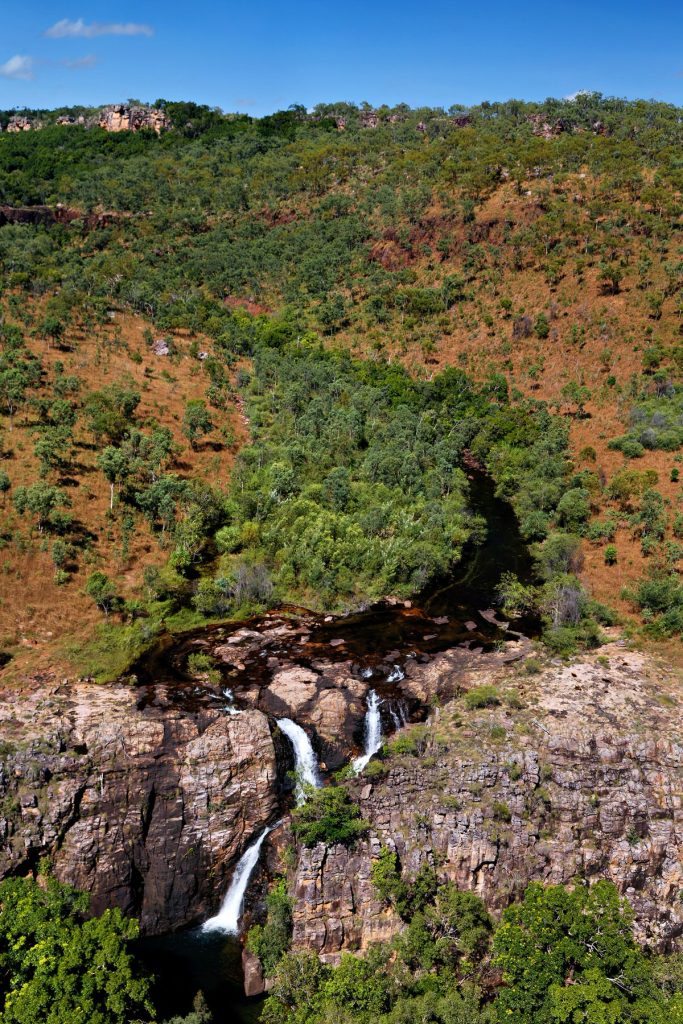
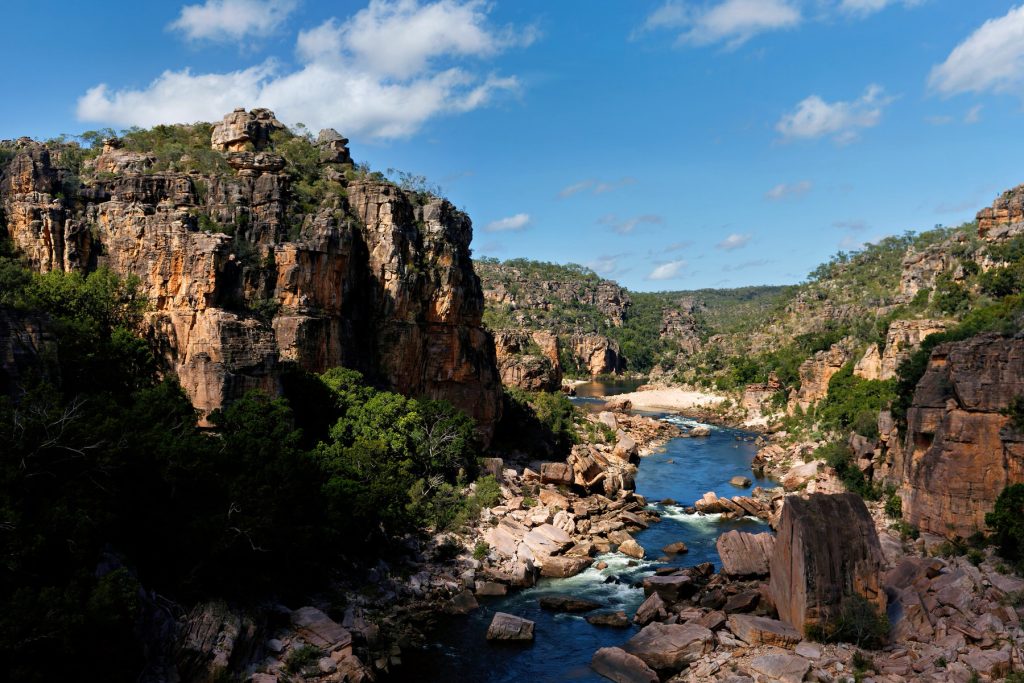
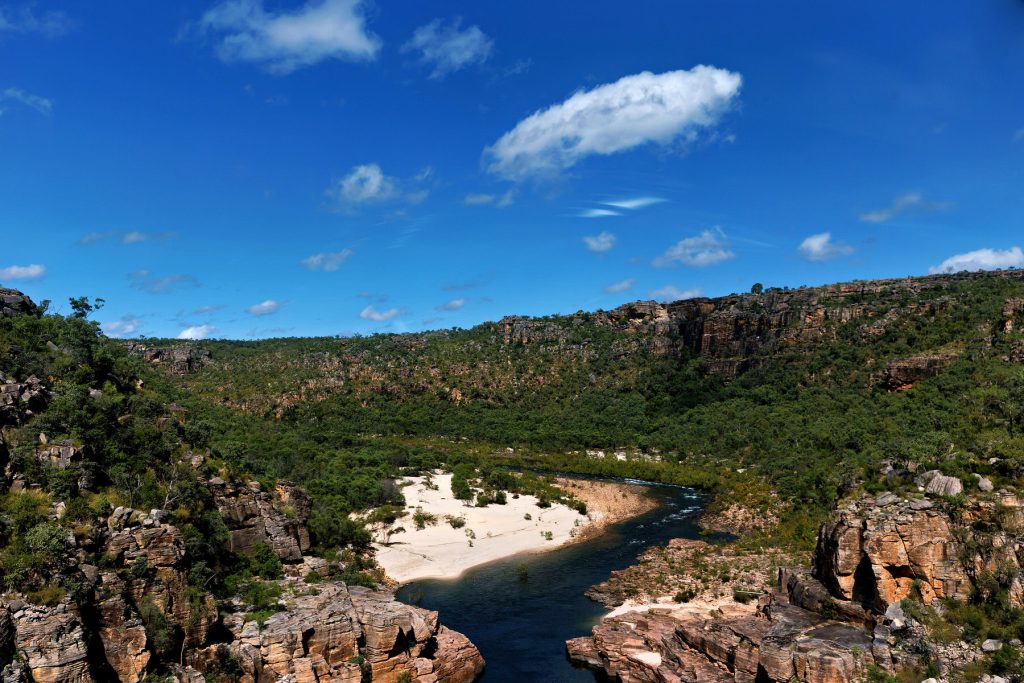
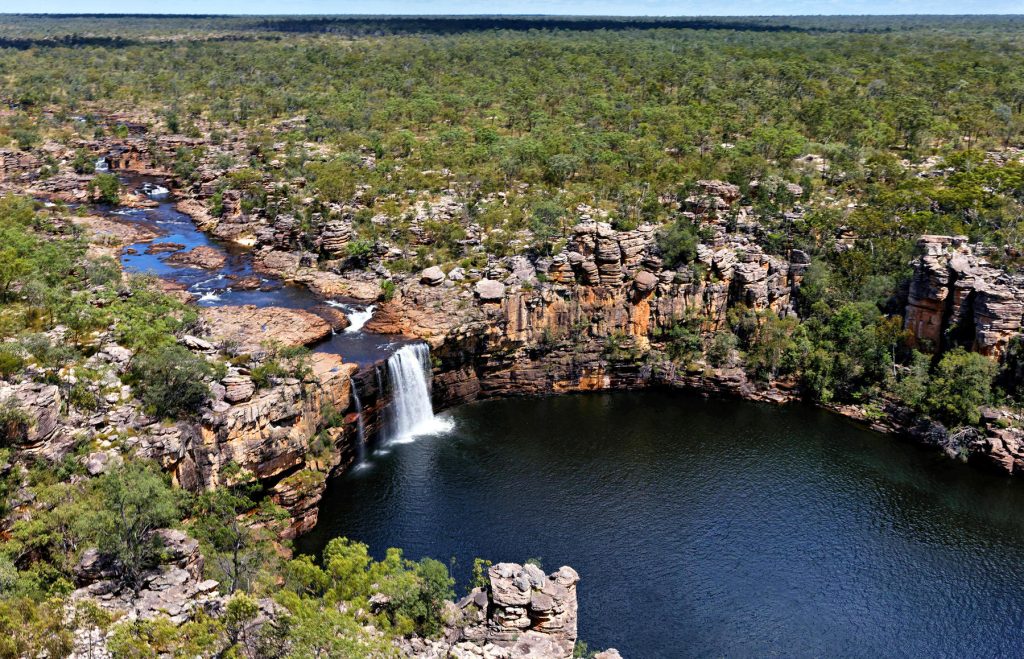
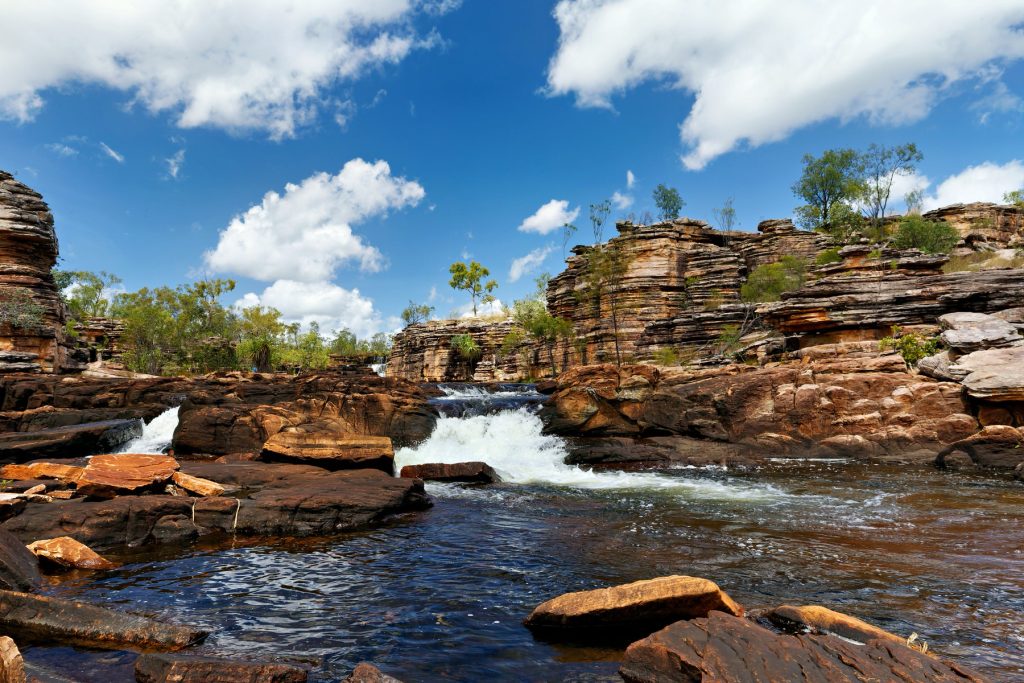
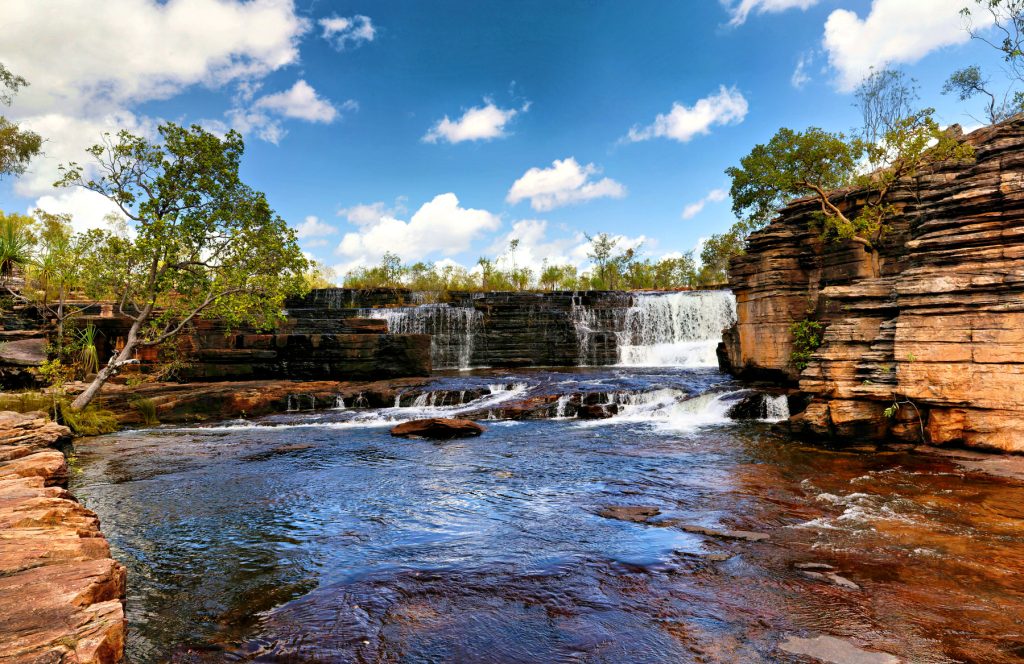
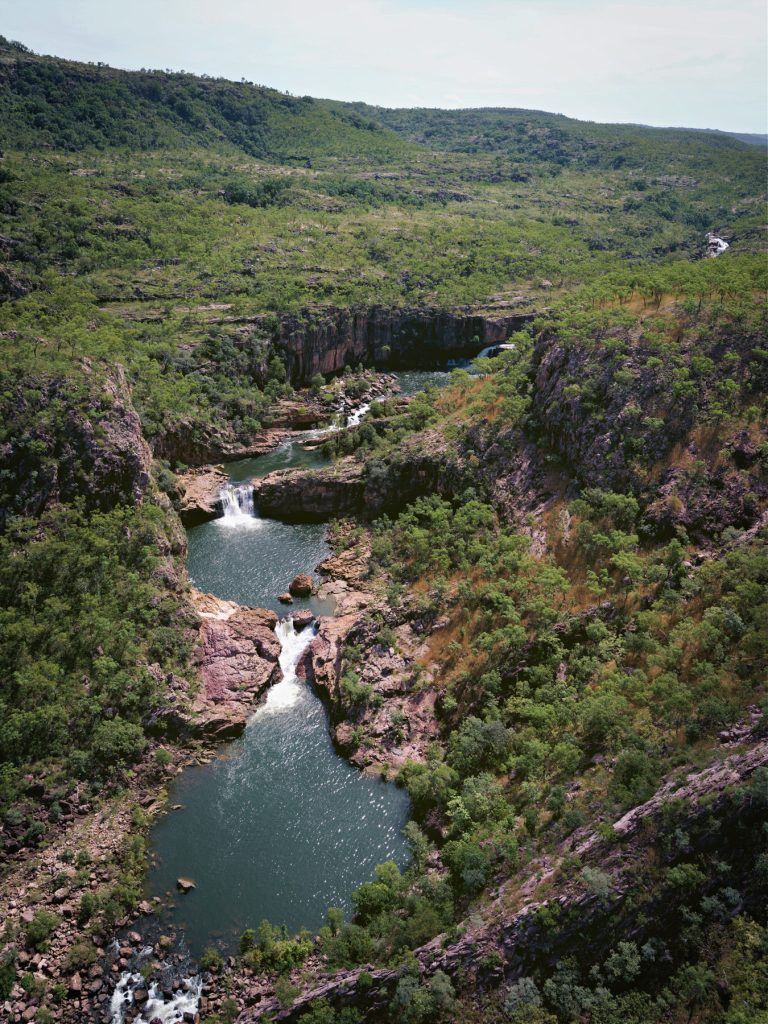
Part 2 are images from a Pentax Medium Format camera, were the number of missed shots were lower on this camera than the Canon posted yesterday in Part 1. Every other time it was the reverse.

The Gulf of Carpentaria is an under explored part of Australia. Only this week AWC announced a new species of legless lizard, Lerista munuwajarlu, has been officially accepted after 10 years of the research.

Click on an image to see a slideshow at full size. Viva Cristo Rey.

Lorella Springs Station revisited – Part 1

The hardest lighting conditions The Doc has had on a helicopter trip was at Lorella Springs Station in the Northern Territory. The pilot was Nick, who also took The Doc around Arnhem Land and Kakadu.

There was low light, overcast and the moving helicopter meant many missed shots (blurred due to movement).

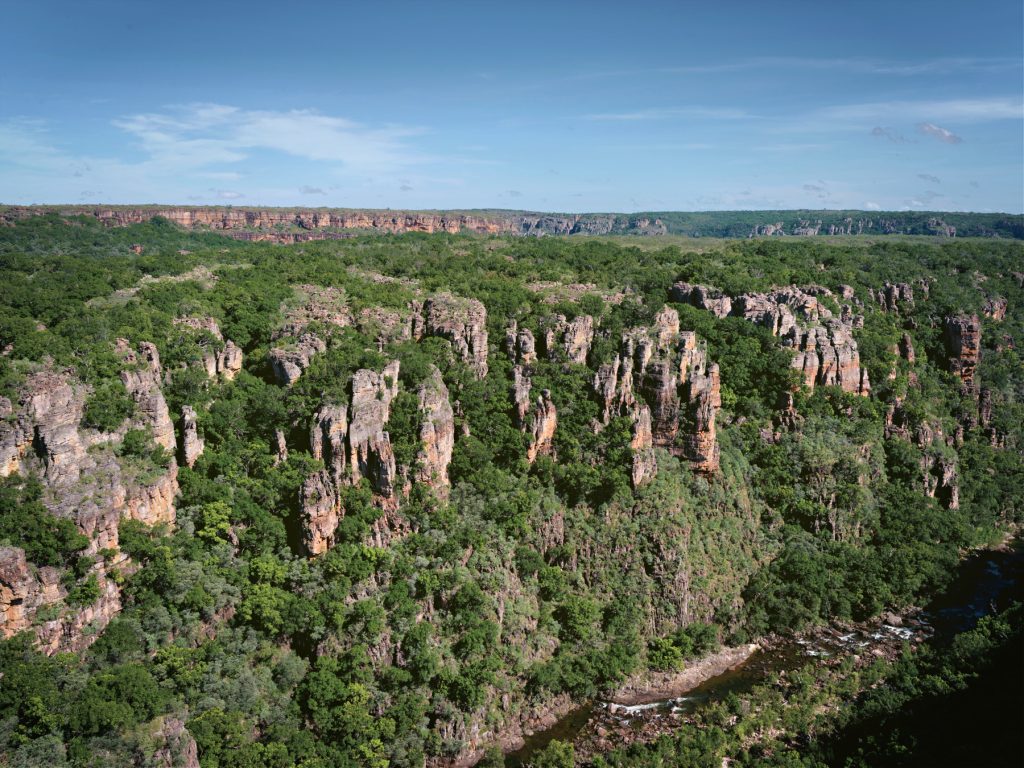
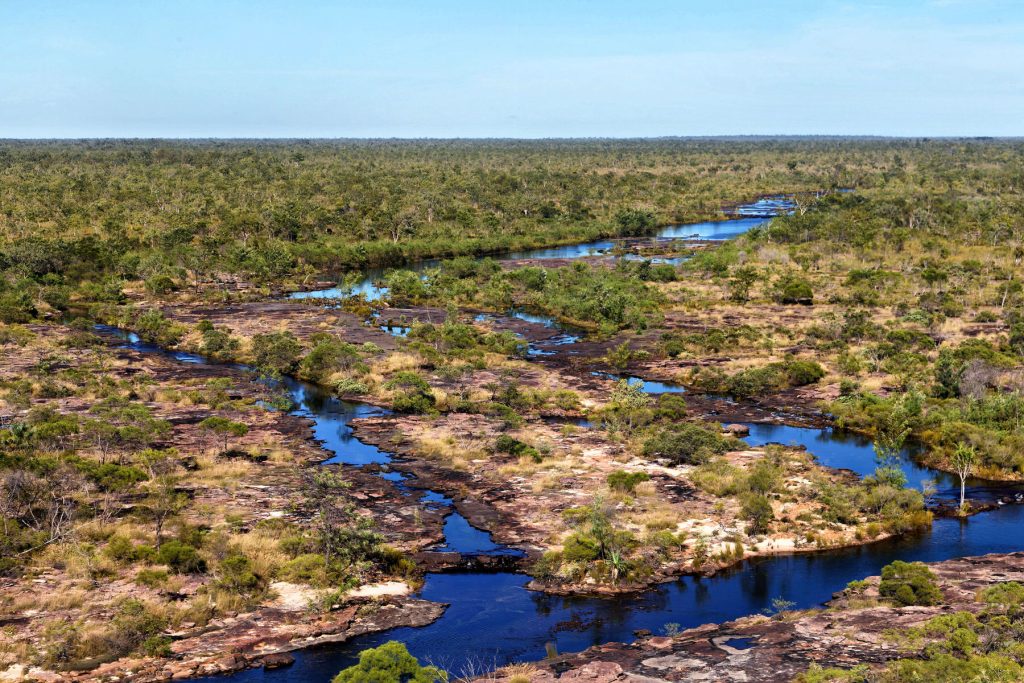
Lorella Springs is a working cattle station, and the flight went over the Lost City – one of many using that name in Australia, out to the Roper Region of the Gulf of Carpentaria, following Rosie Creek.

Part 1 was taken with a Canon 1DX camera. Coming in Part 2 are the Pentax Medium Format images. Click on an image to see a slideshow at full size. Viva Cristo Rey.

Part 2 is here.

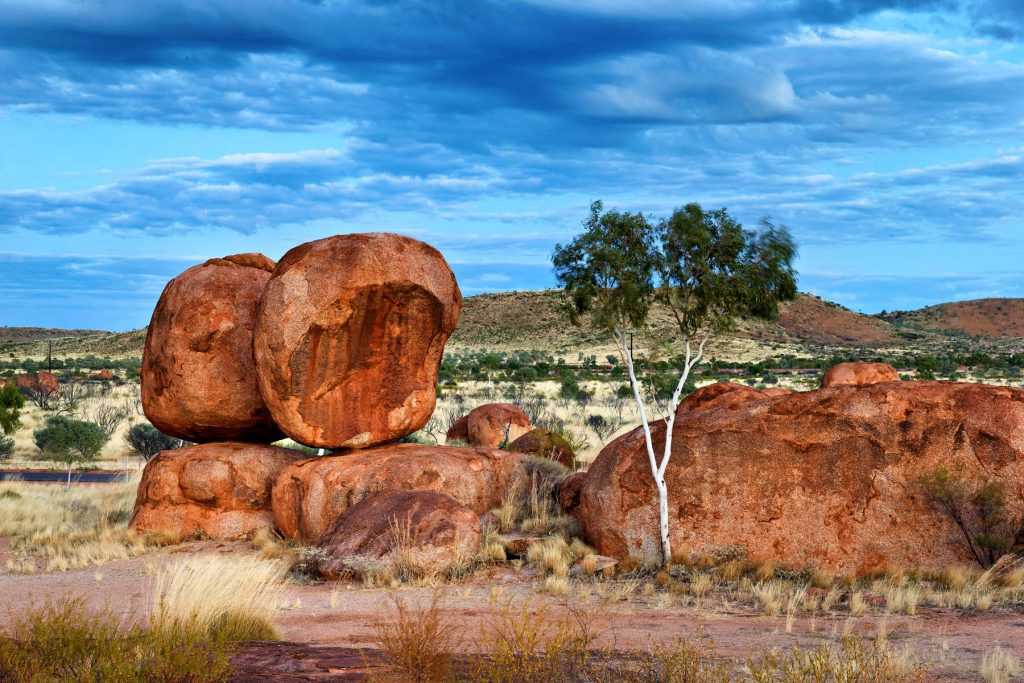
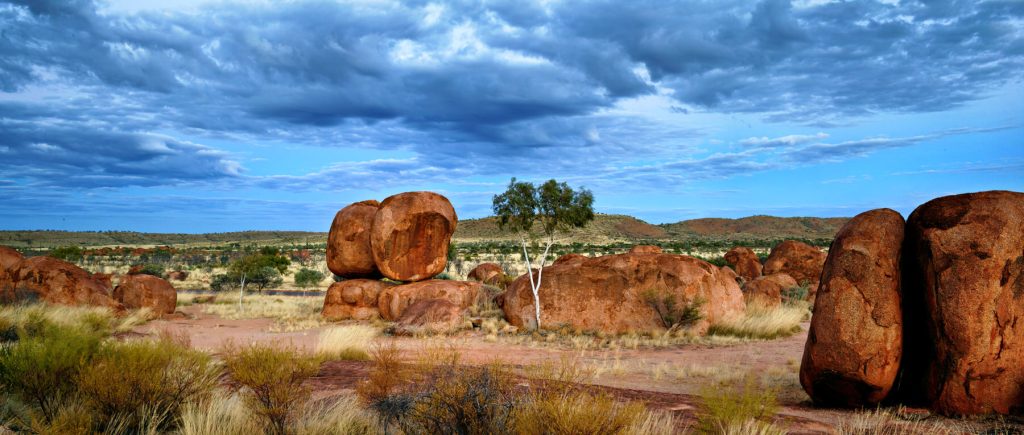
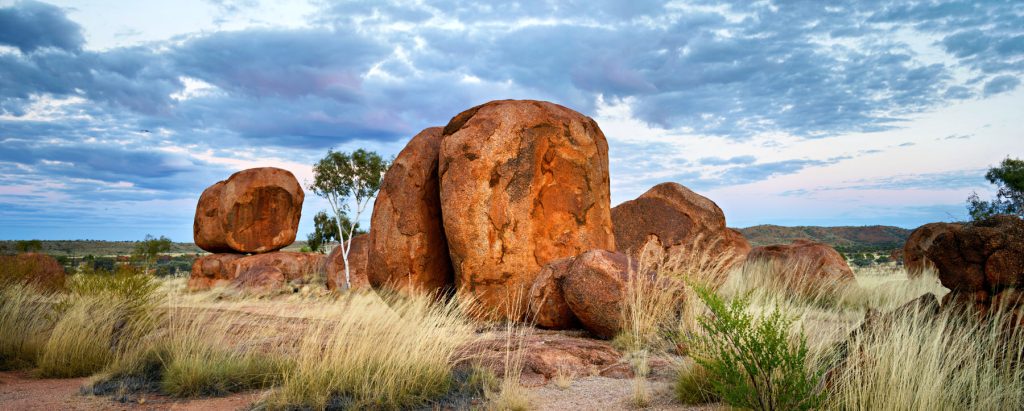
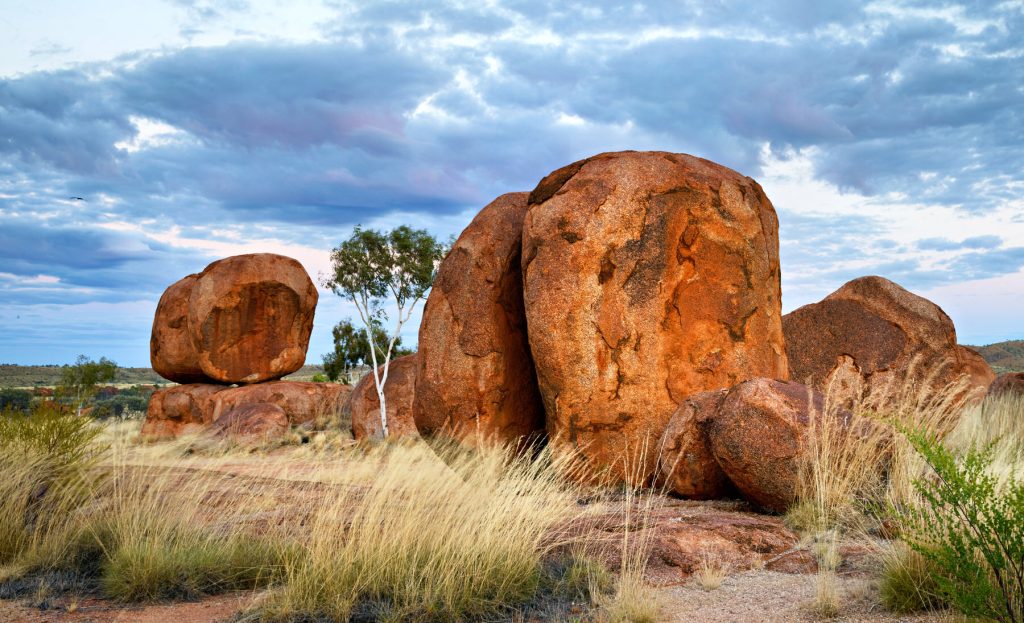
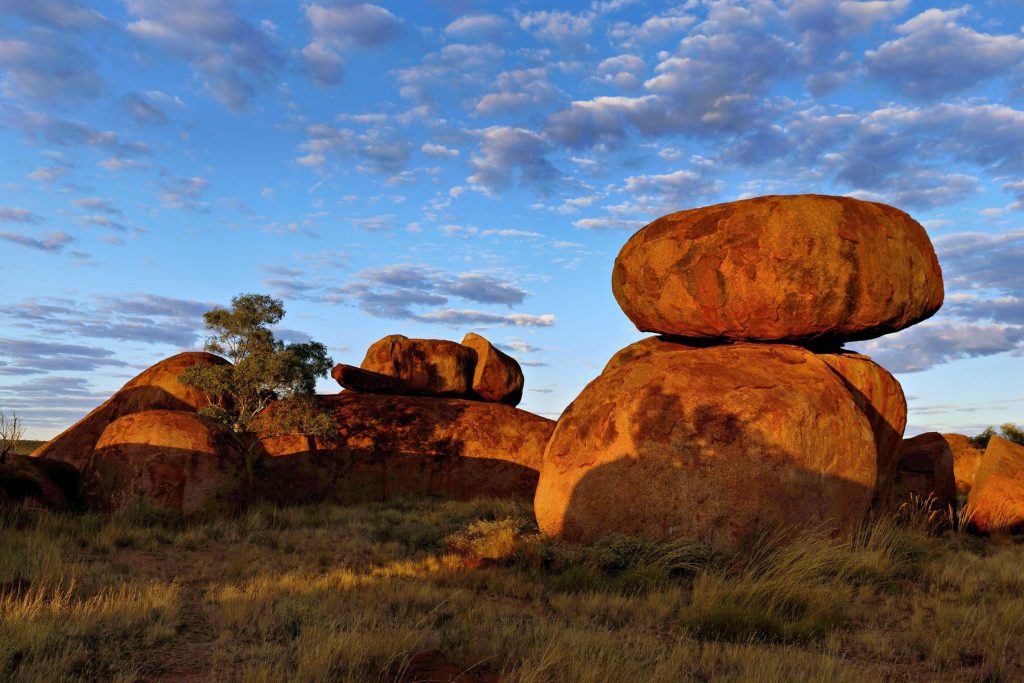
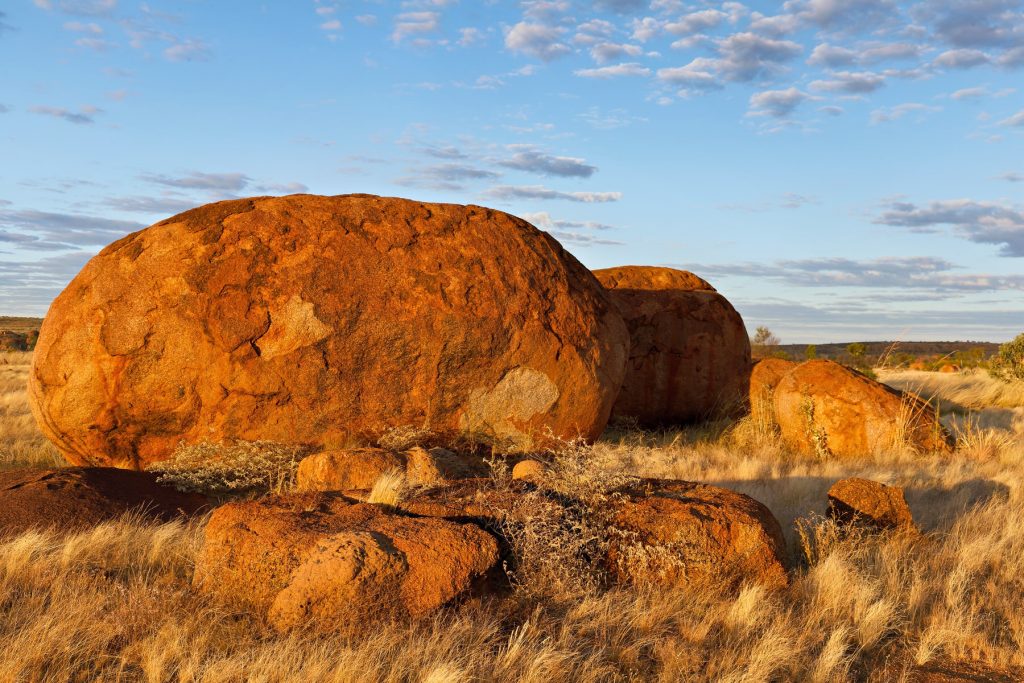
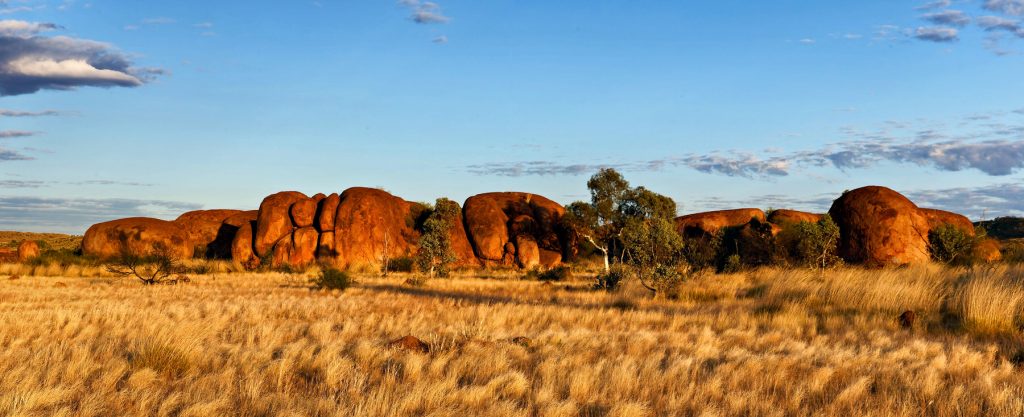
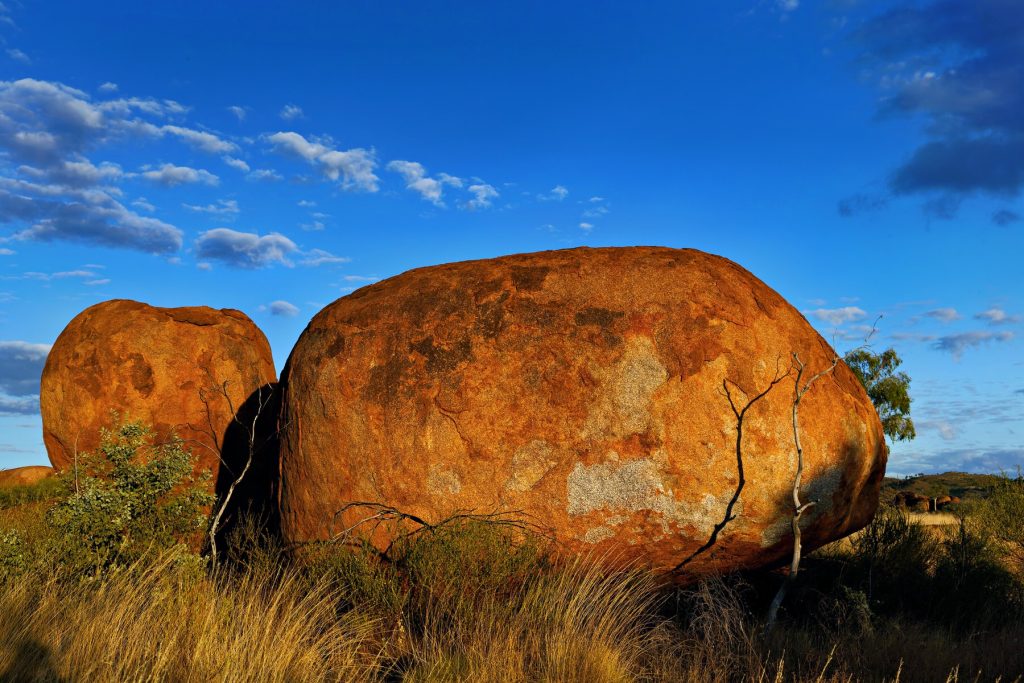
Devil’s Marbles revisited

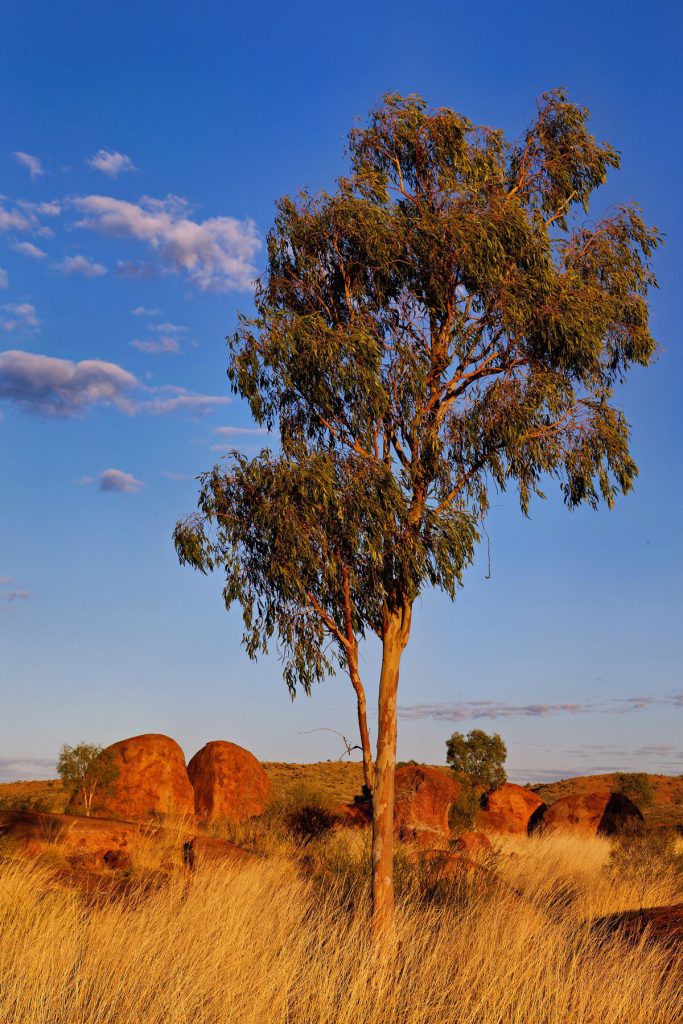
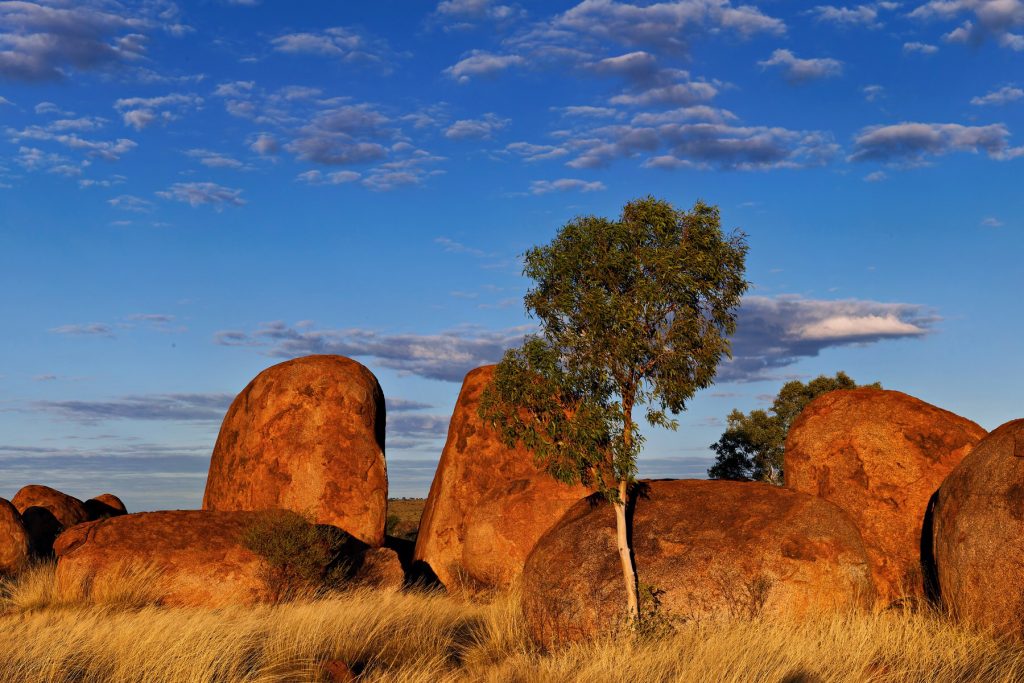
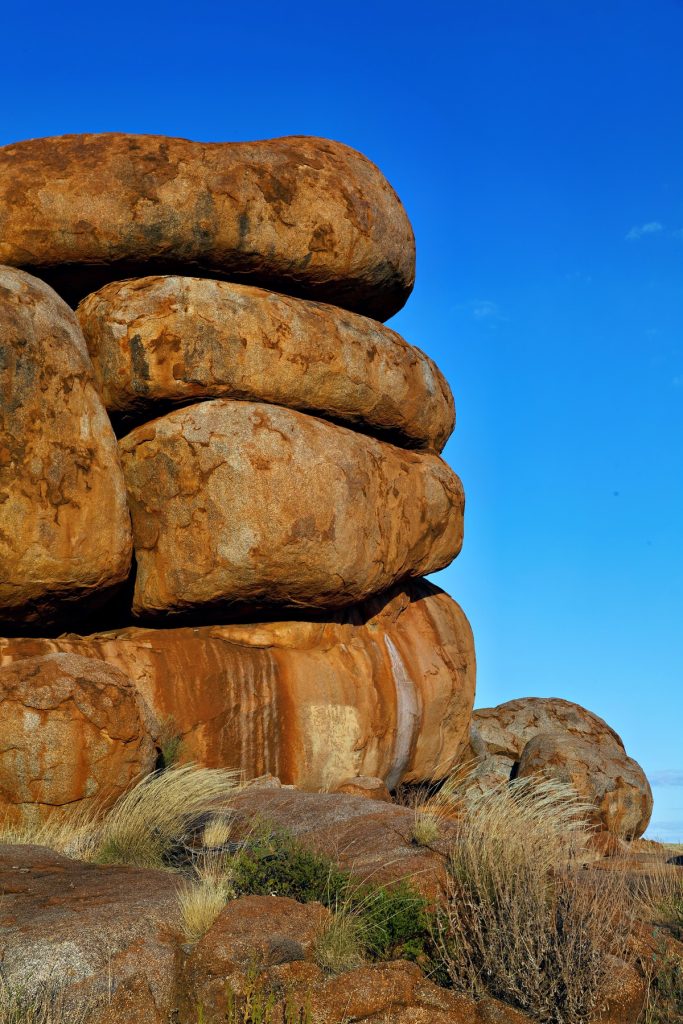
The Doc reprocessed some images from his Northern Territory trip, since he cannot travel due to treatment. This time the Devils Marbles south of Tennant Creek. A few image this time. Click on any image to see the slideshow, enjoy.

Arnhem Land Revisited – medium format style

The Doc took two cameras on the helicopter, including a Pentax 645Z Medium format camera. The Pentax gives massive files which The Doc can crop how he wishes. The files have eye watering details, not always appreciated when you can only post small images on a blog.

The Pentax renders very accurate colours, more so than the Canon 1DX which was the other camera used. These images are a very accurate representation on what you see from the helicopter.

To be precise, these images are from the West Arnhem Region.

Arnhem Land Revisited

Some images reprocessed from The Doc’s 4 day helicopter trip around Arnhem Land and Kakadu in 2017. It was a great trip. Click on an image to see the slideshow. Enjoy.

Corroboree Billabong – the Sony A9III in the field

The Doc took the Sony A9III out into the field for its first use. A few test photos on the ground at Bullo River Station, but the first proper test was the helicopter trip around the property. Report coming, with images, in due course.

With any new camera there is learning curve concerning how to best set it up and use it. A few mistakes were made and a few images lost, but no disaster. The Doc was worried at setting the frames per second (fps) too low in the helicopter, but the culling of images showed that not to be the case.

The camera can go up to 120 fps in High Plus speed mode. 120 fps was not used on the helicopter, but it was on the Corroboree Billabong cruise, when The Doc had limited time to get images, including the old saltwater crocodile. The camera was amazing and this feature will come in useful for action shots. You must use it sparingly and cull images cull images, hard.

Having visited Corroboree Billabong before with Wetland Cruises, The Doc knew it would be a good day trip out of Darwin. Corroboree Billabong has the highest concentration of crocs in the world. It has both fresh water and salt water crocodiles. Corroboree Billabong is located on the Mary River floodplain.

The landscape images were being taken by the Sony P&S, not the A9III, as the A9III was fitted with a 135mm lens.

The harsh light in the middle of the day meant no brilliant images from the billabong.

The roadtrains and billabong images first, followed by the crocs close ups.

Now the croc images. The croc was getting close to 5 metres in length, so very dangerous to the stupid and unwary.

Bullo River Gorge – lots of bull

The Doc is back in Darwin, sorting and culling images from the trip. He will spend a week here exploring, after a rest day.

If Bullo River Station sounds familiar it was made famous by Sarah Henderson’s book From Strength to Strength.

A superb all round experience. Amazing accommodation, great facilities, great food and support from both AWC Guides and Bullo River staff. The trip included bird watching, a morning river cruise, a guided helicopter trip, road trips around the Station and a last minute change in our arrival because of rain washing out the airstrip. We landed in Kununurra and were driven into Bullo River Station, down the Bullo River Access Road.

One place The Doc visited, on a helicopter trip around Bullo River Station, was Bullo River Gorge. More precisely, the part of the gorge known as Bull River Sands.

Earlier that morning, we had flown around the Bullo River and along the Victoria River to visit an AWC science team in the field, then we flew onto to Bullo River Gorge for breakfast.

The Bullo River starts and finishes on Bullo River Station, hence the Station’s name.

AWC runs the best supporter events, made even better when the Bull River Tourism team was involved.

A taste of what is coming. Enjoy.

Bullo River Sands, Bullo River Gorge, Bullo River Station

We were delivered in the bush taxi, a Robinson R44 helicopter landing in the gorge.
Bullo River Station: slight change of plans


There was rain overnight at Bullo River Station, so planes cannot land on the unsealed air strip. Guests are leaving earlier from Darwin and being taken to a nearby air strip – that would be a country “nearby”. Kununurra has the nearest sealed airstrip.

Then Guests have a 3 hour drive into Bullo River Station, which has the longest driveway in the Northern Territory. The driveway is the hard left off the Victoria Highway on the map below. All part of the adventure, for me. Plus The Doc knows how to drive into Bullo River Station in the Grenadier!

AWC just works around the challenges to get us there. Thank you AWC.

Exploring Bullo River Station: a journey to the Victoria Bonaparte Bio Region

The Doc is flying out to Darwin today. Next stop Bullo River Station, where Australian Wildlife Conservancy is hosting a Supporter’s Event, starting Wednesday. Thankfully AWC provides a high level of support, if needed.

Bullo River Station is near the headwaters of the Victoria River close to the Northern Territory and Western Australian border, sometimes called the Eastern Kimberleys. More accurately it is the Victoria Bonaparte Bio Region (named after the Victoria River and the Joseph Bonaparte Gulf, into which the Victoria River flows).

The Gulf is part of the larger Timor Sea. The Doc has not been this close to the coast in this part of Australia before, another first. He has only ever been well south around Timber Creek, Kununurra and Wyndham.

The Victoria River flows into the eastern side of the little-known Joseph Bonaparte Gulf, while the 5 Rivers up Wyndham way feed into the Cambridge Gulf on the western side of the Joseph Bonaparte Gulf.

Joseph Bonaparte was the older brother of the more famous Bonaparte.

Looking at satellite maps, there are many mud flats in this area, like Derby. Plenty of water in the wet season, plenty of mud down the river systems and mud flats everywhere! Plus, gorges, crocs and vegetation like the Kimberley.

It is nice to finally get away from all the intense rehab and treatment over the last 9 months. Upon my return The Doc needs to pick up the Vista RV Crossover hybrid van. Then more visits to Specialists and then, he hopes, to start traveling more widely again.

The above image was generated using AI, but The Doc hopes to make his own images during the visit.

EDIT: Now in Darwin and ready to fly out to Bulloo River Station tomorrow morning.