Category Archives: 4X4

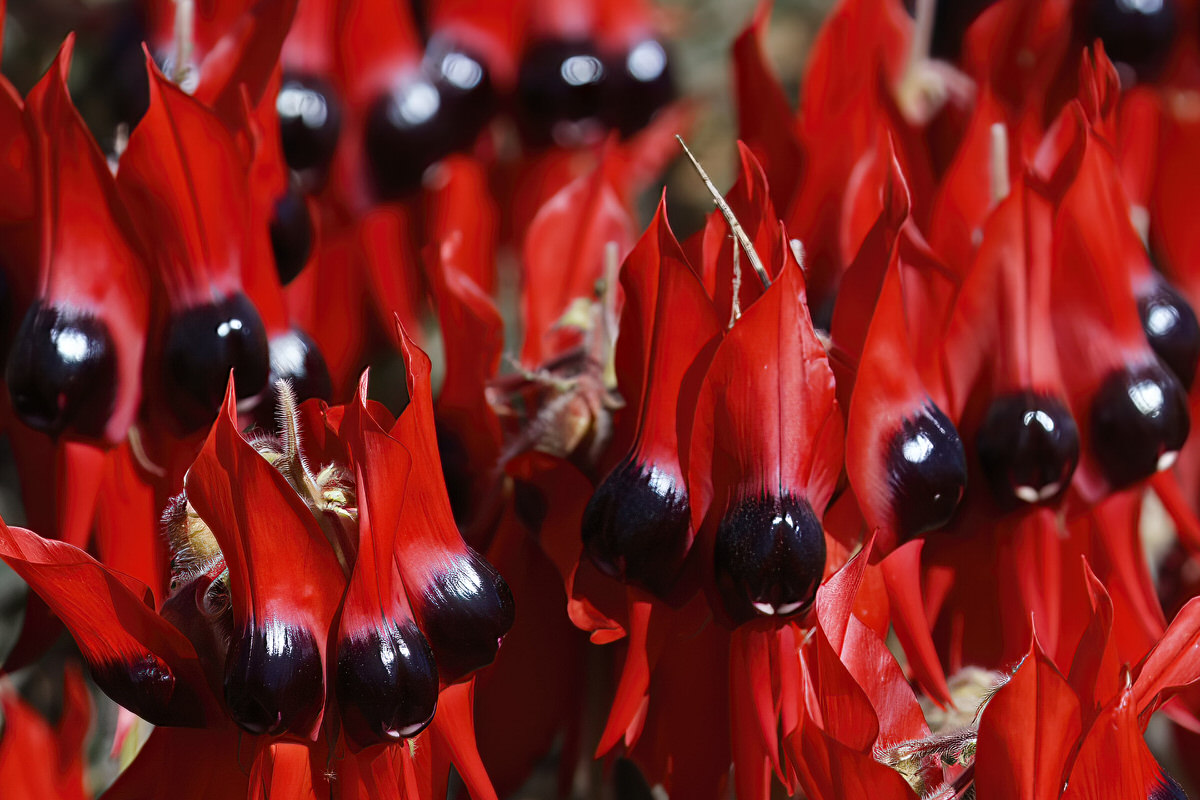
Stunning Sturt Desert Pea

Commonly known as the Sturt Desert Pea, floral emblem of South Australia. The dark eye version is from South Australia, the lighter coloured eye is the northern or WA form found in the Northern Territory and WA.

It is known by some other names as well including: Swainsona formosa, Showy Donia (G. Don 1832), Beautiful Donia (G. Don 1832), Dampier’s clianth (Veitch 1850), Dampier’s Clianthus (Hooker 1858), Sturt’s pea (Adelaide Advertiser 1858), Sturt pea (de Mole 1861), Captain Sturt’s desert pea (Aspinall 1862), Desert pea (Anon 1864), Sturt’s desert pea (Tenison-Woods 1865), Glory flower (Bailey 1883), Glory pea (Bailey 1883), Sturt’s glory pea (Anon 1886), Lobster claws (The Garden 1890), Blood flower (Parker 1898), Dampier’s glory pea (Guilfoyle 1911), Australian glory pea (Guilfoyle 1911), Dampier pea (Harris 1980).

Bridled Nail Tail Wallaby

Working through some images during lockdown. Some rare photos of the endangered Bridled Nail Tail Wallaby from AWC’s Scotia Sanctuary. Click on the image to see full size.

Greens are not always green

The other revelation of the colour palettes has been leaves green leaves using transmitted light. We normally look at leaves in reflected light, but transmitted light is when the light source shines through the leaf. Your reaction is to think they are just shades of green, but they are much more complex than that.

On my walk yesterday The Doc picked up some eucalyptus leaves which he identified as Eucalyptus baueriana, or Blue Box. The Doc found an immature leaf and a mature leaf and photographed both.

Here is the immature leaf, a fairly consistent green.

Juvenile leaves disjunct, orbiculate, dull green.

The palette reveals it is more complex 154 core colours!

The mature leaf has core colour palette with 254 colours, 100 more!

The Doc then took both images and looked at the combined colour palette from both, it was 242 colours. While there is an overlap in the colours, the various palettes demonstrate that the leaf over it life varies in colour. More than what we first think. The Doc noticed this in barks as well and it is obvious over the life of flower.

Woof, woof, woof, more barks!

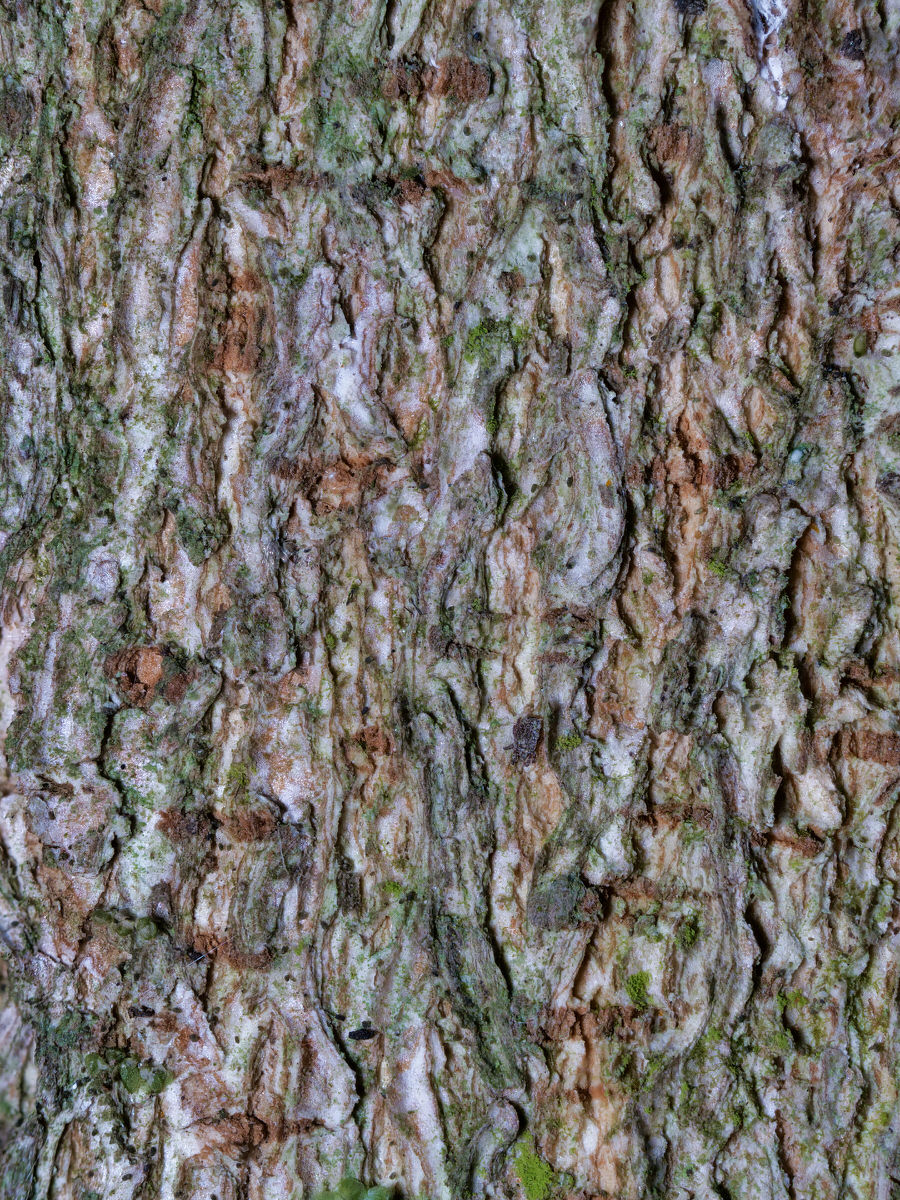
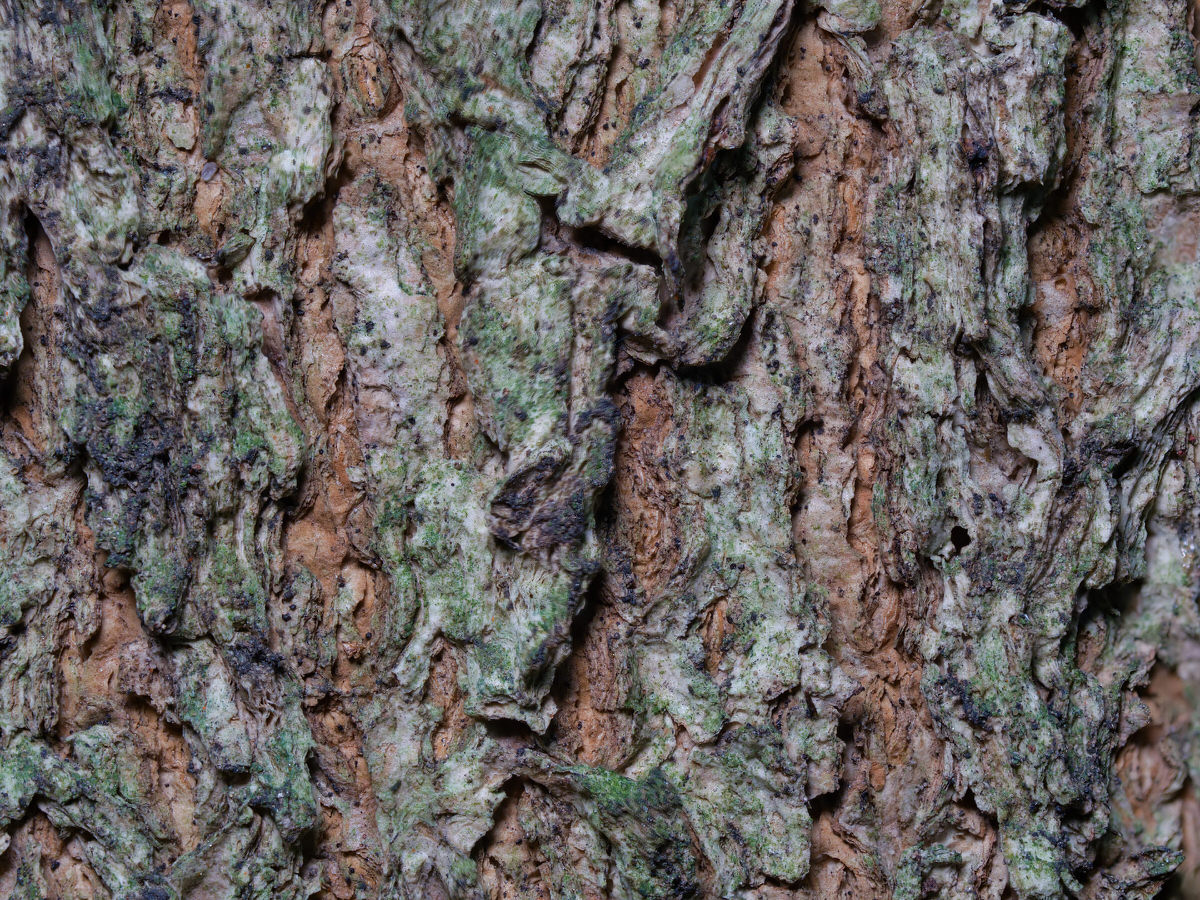
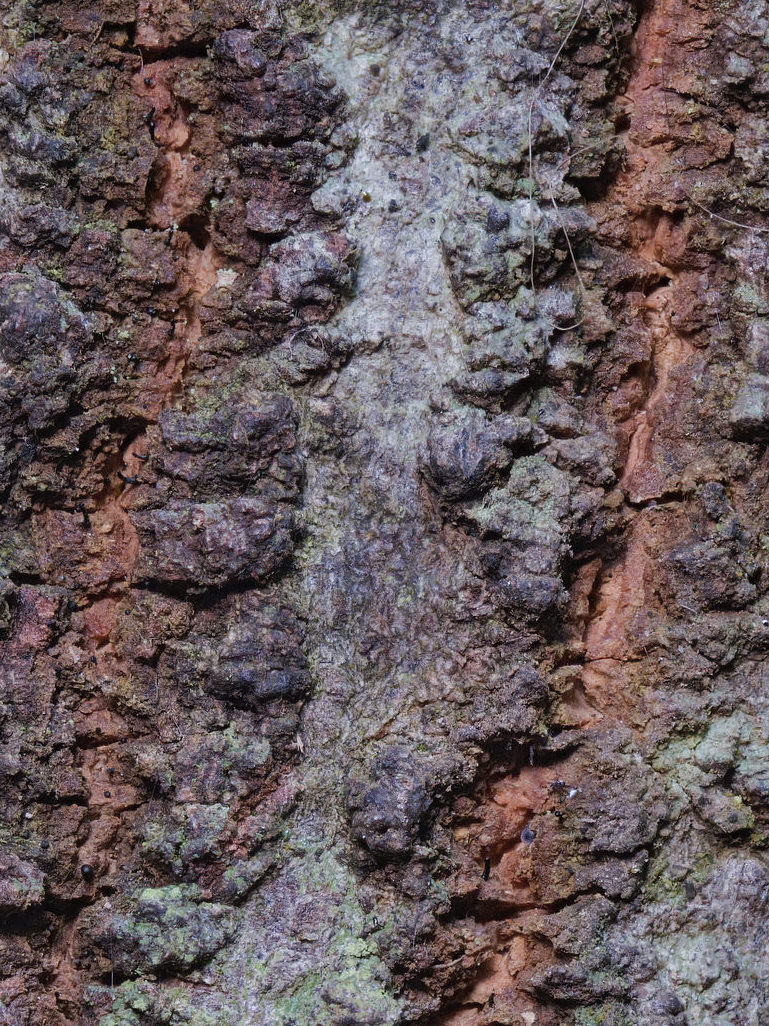
The Doc has been busy over the past couple of weeks processing bark images from Lismore Botanic Gardens plus some from the archives, over 300 images. A small sample from the colourful Corymbia family. Click on images to see them at at full size.

Battery Monitor Review 12 month update

The BLE Battery Monitor was reviewed here.

All three BLE battery monitors have now been working for 12 months, monitoring two AGM batteries and now one Lithium battery. All are still working. The original review stands after 12 months.

Parasitic drain

The BLE battery monitor does have a parasitic drain on the battery which cannot be picked up by the Battery Management System on The Doc’s Invicta 125 Ah lithium battery. So the battery can be slowly drained over time with the BMS still showing a 100% charge. It seems the draw of the BLE and the BMS itself are too small for the BMS to monitor.

BLE App being updated

The BLE App has been updated probably three times over the year. Minimal features upgraded, but good it is to see regular maintenance updates.

Lithium battery issues

The BLE is not designed to be used on Lithium batteries, so it does not properly monitor the charge, as a Lithium battery has a different voltage profile to an AGM. The BMS has a Bluetooth module that communicates to the Invicta’s App, giving The Doc all the details about the battery. The BLE allows The Doc to see what happens over 30 days and graphs that data. UPDATE: BLE has released a Lithium version of the battery monitor.

Conclusion

Money well spent.

More barks

A few visits to the Lismore Rainforest Botanic Gardens has yielded more bark images. Plenty more to come.

The Doc will probably leave Ballina tomorrow and return to Sydney.

Automotive 12 volt guides

The Doc has put his 12 volt guides together on Anderson plugs, crimping and fuses. You can go to this page here, or choose Nissan Patrol on the Menu above and go to Automotive 12 volt and the articles will appear on the right side.

12 volt car fuses–buy quality fuses–avoid Cheap Chinese Crap

In short, Cheap Chinese Crap (CCC) blade fuses are unsafe to use.

Just like Anderson plugs, which The Doc discussed here, blade fuses have been overrun by Cheap Chinese Crap. Avoid buying Cheap Chinese Crap, it can be a matter of life and death.

CCC blade fuses are commonly sold on eBay and Amazon. There is a reason why they sell fuses for a few cents each and quality fuses can cost a $1 or more. CCC fuses do not work properly, and they pose a real danger to those who use them. They are unsafe to use.

Fuses, to be safe and effective, need to be built to a specification and certified to perform in accordance with that specification. Cheap Chinese Crap doesn’t. In the case of a catastrophic fuse failure your car can catch fire and be burnt to the ground or you can be injured/killed or have your expensive equipment destroyed. While catastrophic failures are rare, you do not want to be the unlucky one, when it can be avoided.

Saving a few dollars buying CCC fuses is not worth it. If a CCC fuse damages a car’s wiring loom, the repair bill can run into 1,000s of dollars.

Problems created by CCC fuses

Poorly made fuses can have one of more of the following problems:

  1. incorrect manufacturing tolerances, so the fuse does not fit properly in the fuse holder. Poor contacts can mean your device will not work or it create shorts, and in worse cases scenarios fires;
  2. not meeting the rated performance specification. For example, a fuse rated at 5 amps does not blow until 12.5 amps; way beyond the specification, risking fire and damage/destruction of the device the fuse is supposed to protect. Here is an eye opening video, where CCC fuses do not work as rated: https://youtu.be/bVKuYOA3F2E
  3. use of inferior materials, meaning the CCC fuses may melt and catch fire. Another eye opening video here were CCC fuses, when they blow, often melt the plastic fuse cover: https://youtu.be/tDuJx1qciBg

Both videos show how dangerous these CCC fuses can be. Minimise your risks, avoid Cheap Chinese Crap.

What to buy

Buy fuses which are certified to perform to specification and have a rating marked in white on the back of the fuse (5, 7.5, 10, 15, 20 amps, etc). So only buy fuses with the white rating from a reliable dealer. Do not use fuses which do not have the rating painted in white. All the fuses in The Doc’s car have these rated the fuses from factory. Car makers understand the importance of rated fuses and use high quality fuses when making the car. You should do the same.

Quality rated fuses are made by LittleFuse, PEC, Jeng Feng (Taiwan), Bussmann (who source from PEC and JF) or Prolec. The Doc buys his fuses online from Swe-Check, a fuse specialist. Quality fuses normally come with a specification sheet.

The Doc was not always so informed and has wasted money on CCC fuses (now happily thrown in the garbage, with a lesson learned). This post is to stop you making the same mistake. While this post concerns blade fuses in cars, the main points apply to other CCC fuses. Avoid them.

Tip: all components in a car’s 12 volt electrical system should be good quality, Australian made copper wire, tin-plated copper (not brass) crimp terminals, genuine Anderson plugs (not Anderson style plugs), quality certified fuses (not CCC), etc.

Even more information here and here.

The Northern Kimberley

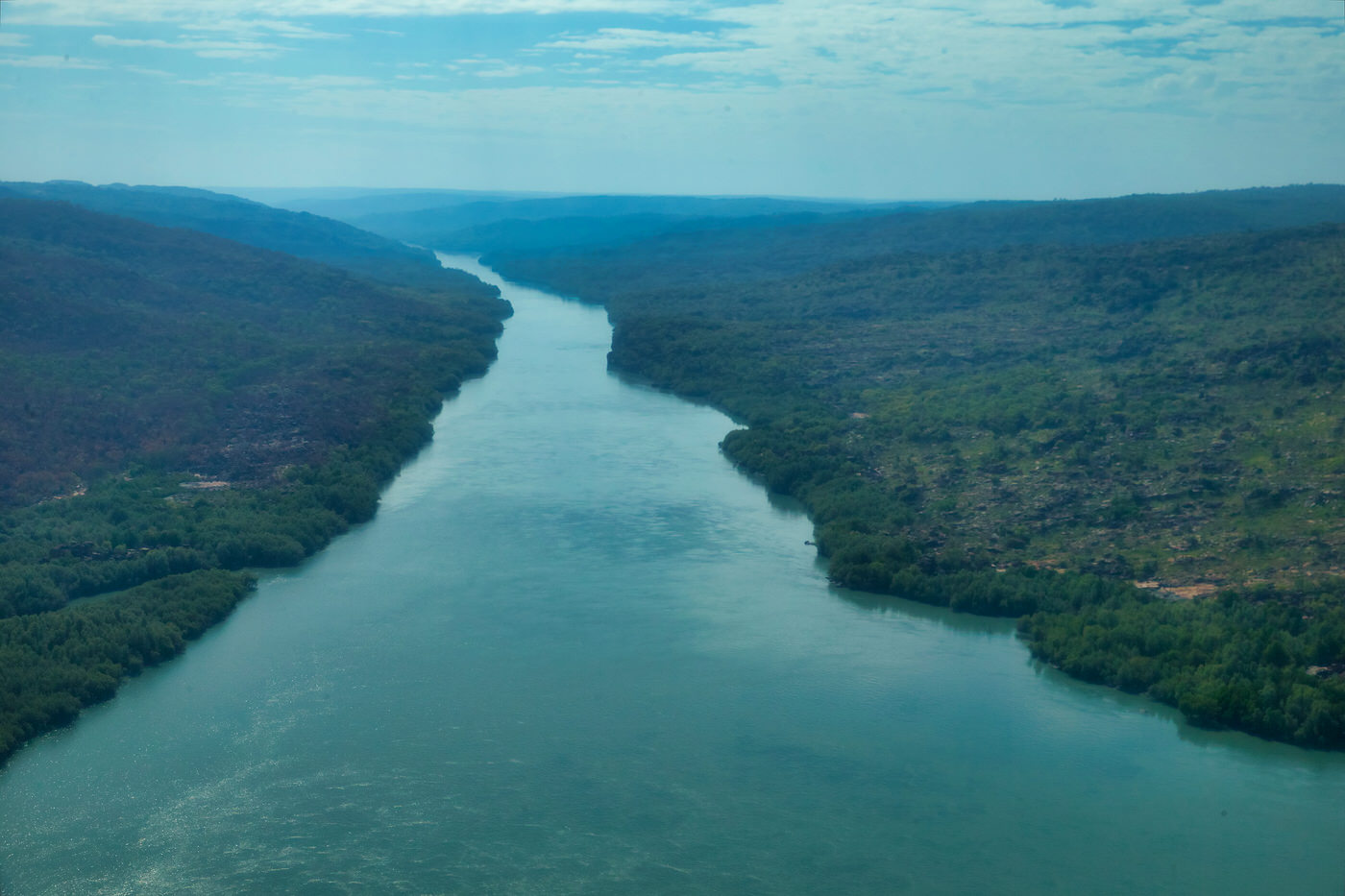
While staying at Drysdale River Station The Doc took a plane flight into the Northern Kimberly. Initially through Prince Regent National Park, then up to Mitchell Falls and back again.

Sorry about the funny colour cast and soft images, it was caused by the window on the plane. The best flight in that area without the high price tag of the helicopter flights at Mitchell Falls itself.

The Bungle Bungles, Kimberley, WA

The Bungle Bungle Ranges in the Purnululu National Park (The Kimberley) has the most extensive beehive rock formations in the world. While well known to local Aboriginals and Cattle Station owners, it did not become known to the world until the early 1980s.

Within 5 years it was a National Park and within 20 years it was World Heritage listed.

The beehives are formed by wind driven sand and rainfall (plus millions of years of weathering).

The beehive domes consist of different layers of sandstone; some orange, some black. The black layers hold more moisture allowing cyanobacteria growth which cause the black colour. The orange-coloured layers are stained with iron and manganese mineral deposits within the sandstone (in lay terms – rust!).

Typically, you see the domes from ground level. The Doc took a helicopter flight over The Bungle Bungles. The images are split into two groups; first, the rock formations out of which the beehives are weathered. Here you see deep gorges, meandering rivers (floodways now) and steep gorge walls. Second the domes or beehives themselves, from the air. Make sure you click on the pictures to see the full size images.

The Doc has been posting fewer images lately, but the Bungles deserves more to appreciate its stunning beauty.