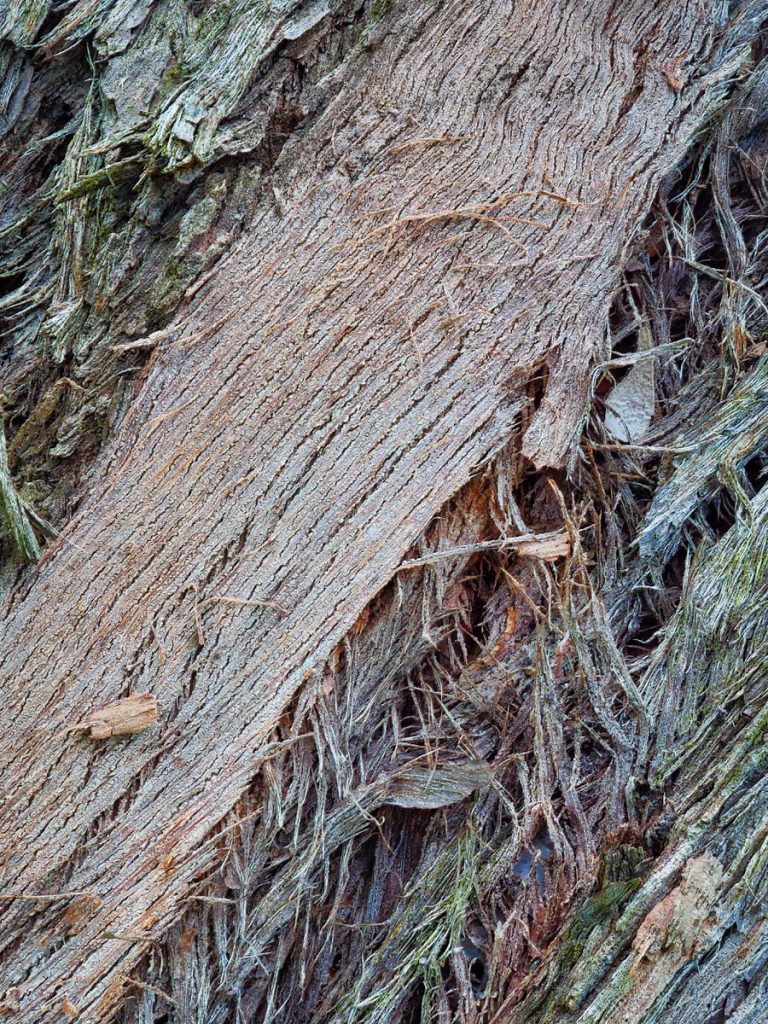
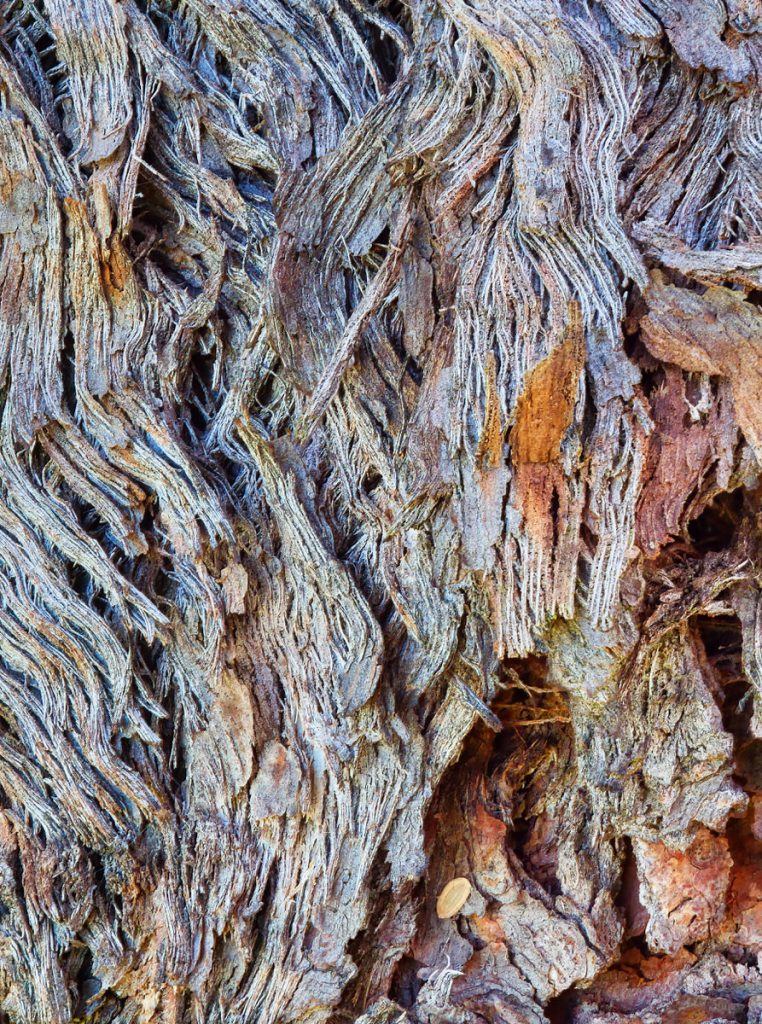
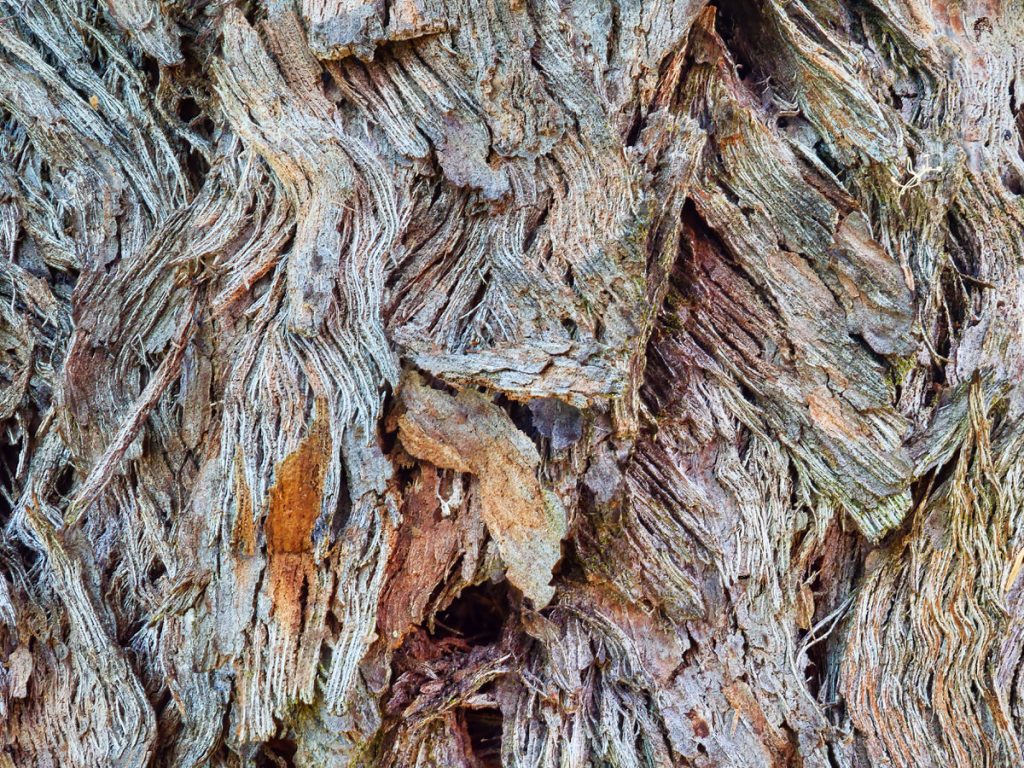
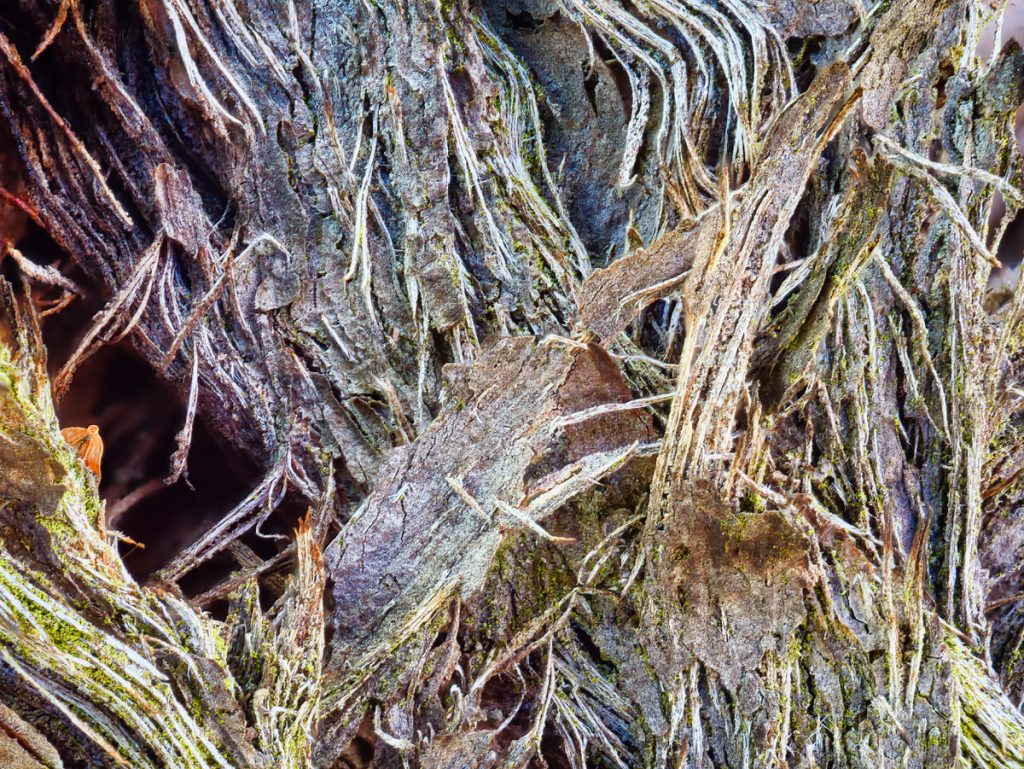
The true myall. Scale on image located on the top line right side.


The true myall. Scale on image located on the top line right side.
The New England blackbutt or Gum-topped peppermint.

Its common name is the White mahogany or barayly.

Common name is Tindal’s stringybark. A relative yesterdays post, where the bark is very similar.


The Inland White Mahoney. Click on image to see full size.


Its common name is the White Stringybark, but its scientific name has been several over the years including Eucalyptus deformis, Eucalyptus globoidea, Eucalyptus globoidea var. subsphaerica, Eucalyptus oblonga DC, Eucalyptus oblonga var. rugulosa, Eucalyptus yangoura, Eucalyptus andrewsii subsp Campanulata. Commonly accepted scientific name is now Eucalyptus globoidea.


Known as the Large-Fruited Blackbutt.


Recent bark samples. Also known as the Capertee Stringbark.

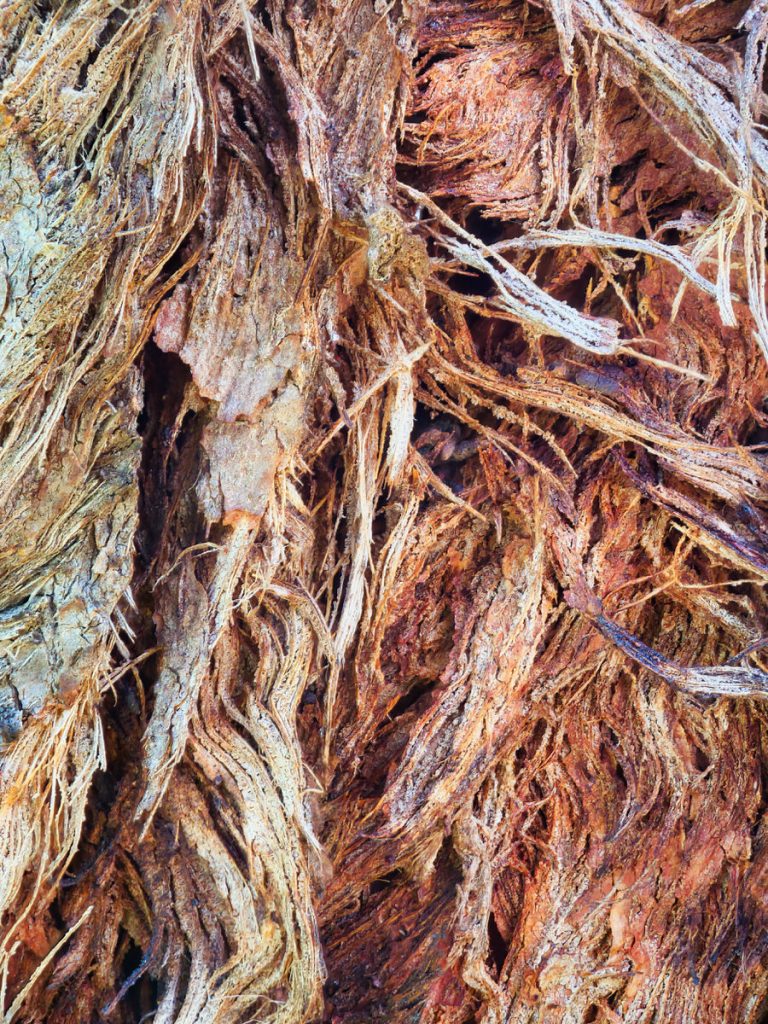
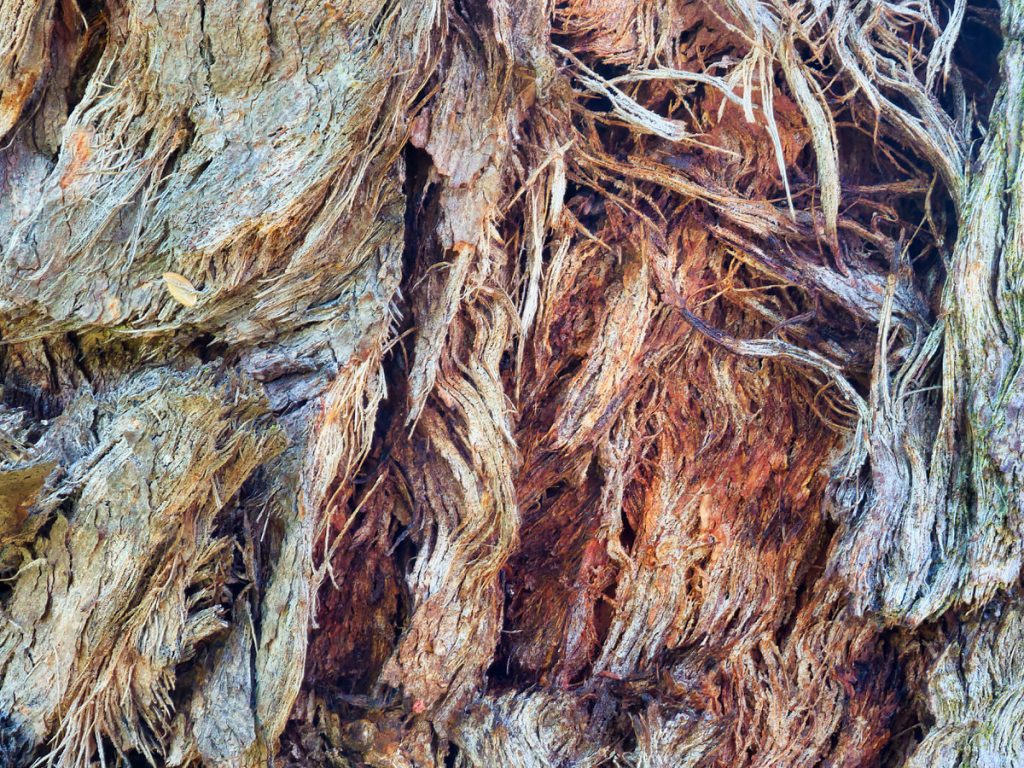

The Doc has been posting about the various colours in barks, leaves and flowers. However, the absence of colour has also been revealed. One bark, that of Corypha utan (Gebang Palm), is the most boring and colourless of any The Doc has photographed. The outside of the tree is just shades of grey from dark to light grey, with almost zero colour. No The Doc did not desaturate the image, even if it looks like it.

The other revelation of the colour palettes has been leaves green leaves using transmitted light. We normally look at leaves in reflected light, but transmitted light is when the light source shines through the leaf. Your reaction is to think they are just shades of green, but they are much more complex than that.
On my walk yesterday The Doc picked up some eucalyptus leaves which he identified as Eucalyptus baueriana, or Blue Box. The Doc found an immature leaf and a mature leaf and photographed both.
Here is the immature leaf, a fairly consistent green.

The palette reveals it is more complex 154 core colours!

The mature leaf has core colour palette with 254 colours, 100 more!

The Doc then took both images and looked at the combined colour palette from both, it was 242 colours. While there is an overlap in the colours, the various palettes demonstrate that the leaf over it life varies in colour. More than what we first think. The Doc noticed this in barks as well and it is obvious over the life of flower.
You must be logged in to post a comment.