The Doc could not travel to the Kimberly this year, so he is visiting images from his last trip in 2015. Here are the Crimson finch, the black bellied subspecies. Click on image to see full size.


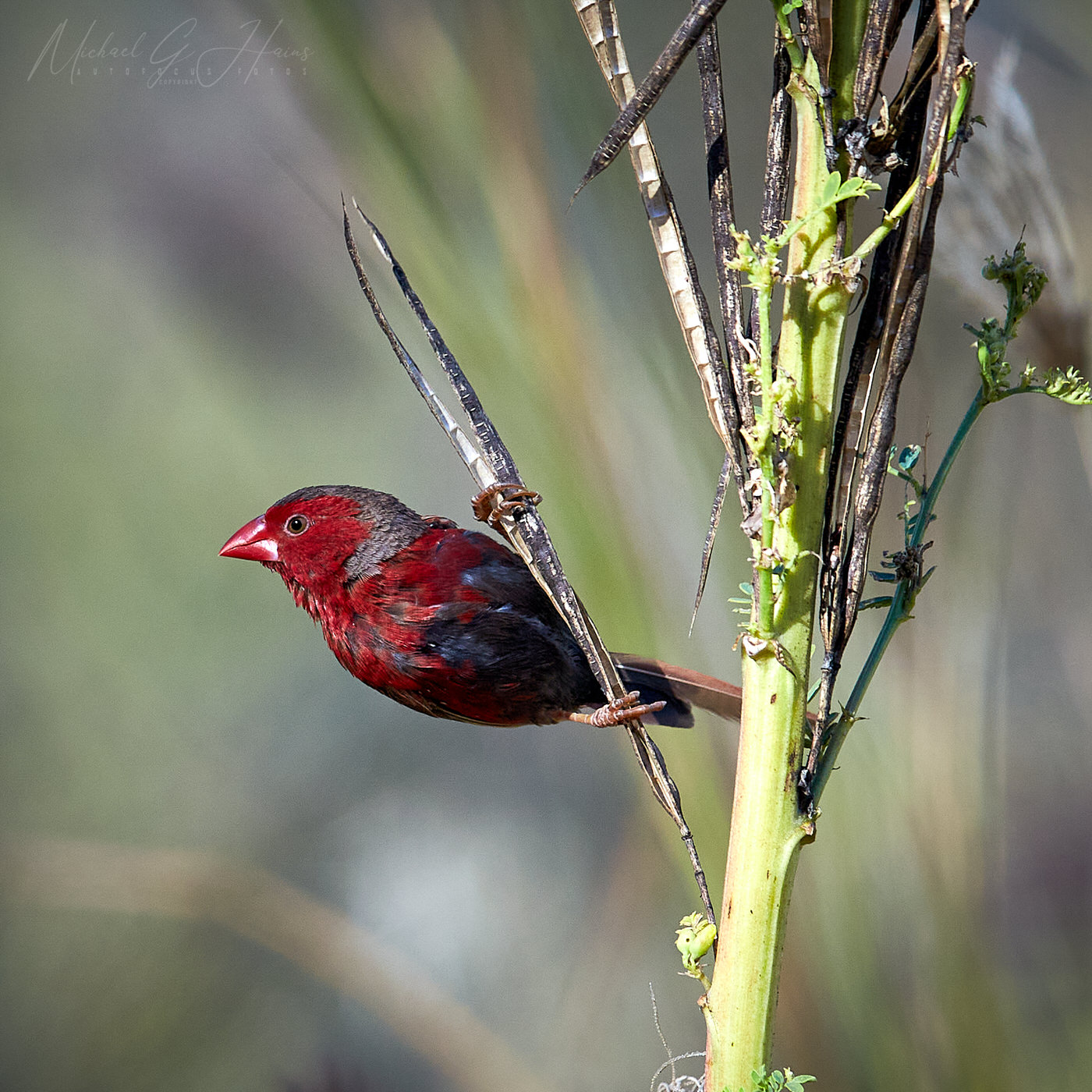

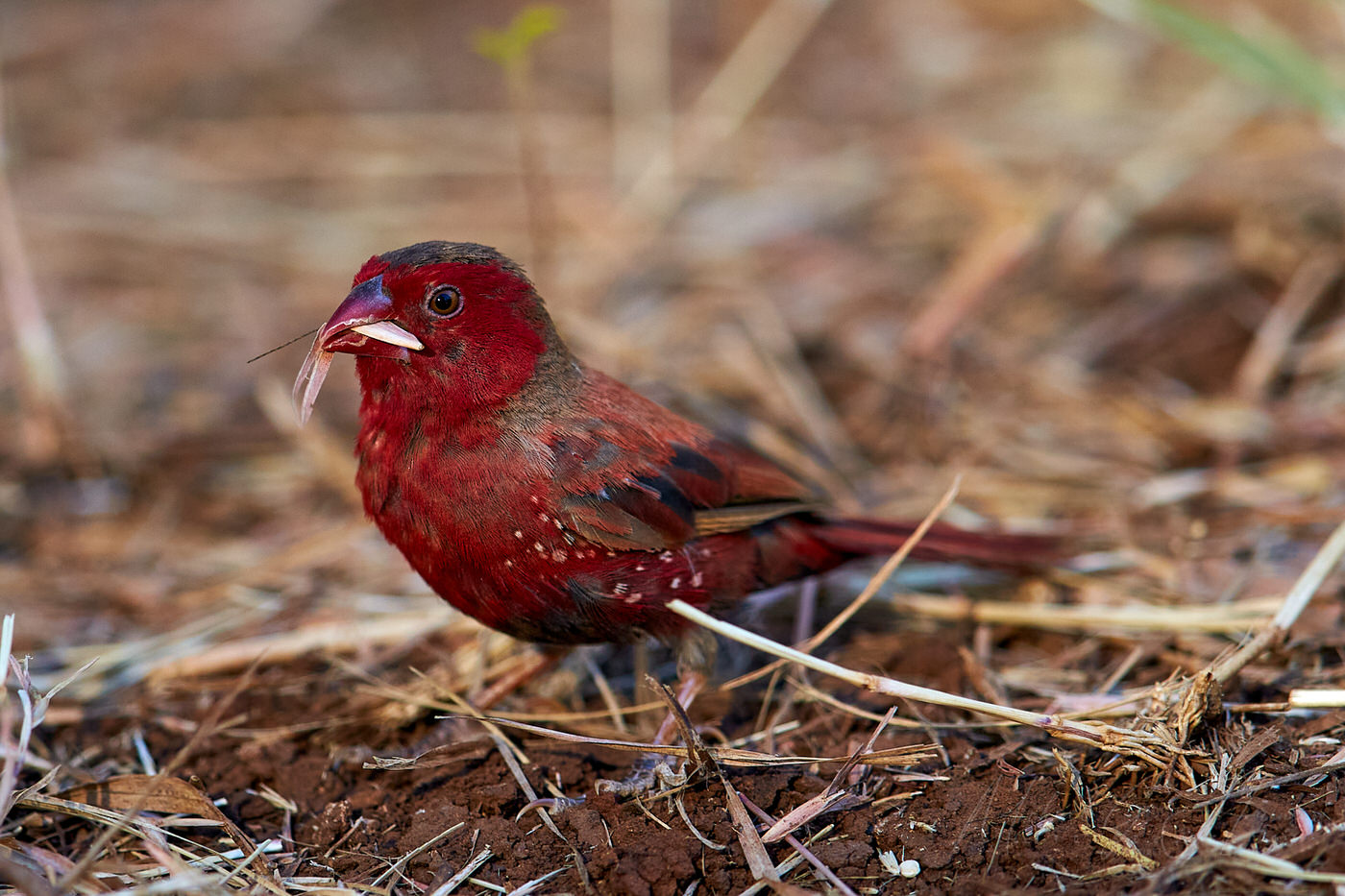
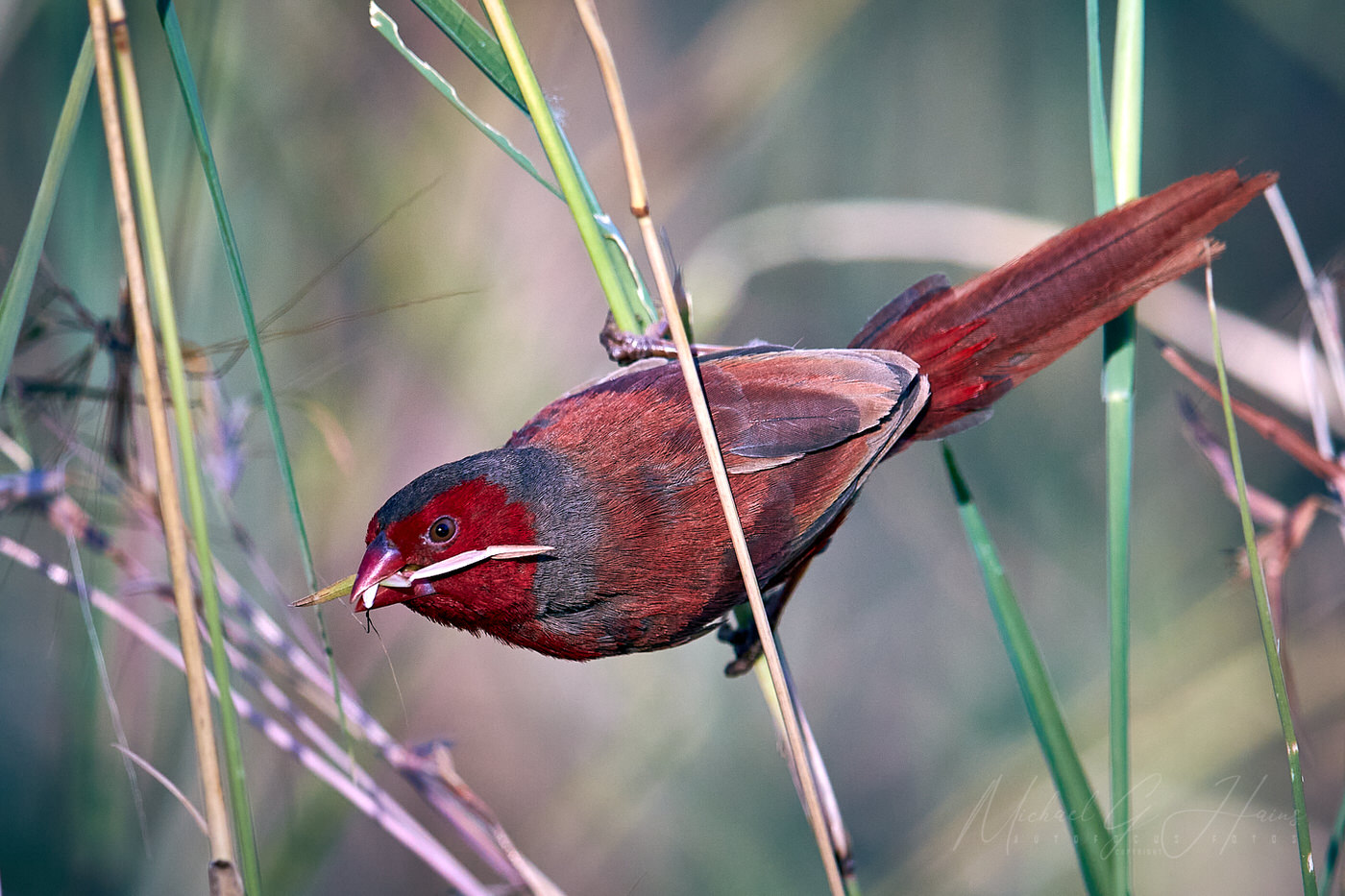

The Doc could not travel to the Kimberly this year, so he is visiting images from his last trip in 2015. Here are the Crimson finch, the black bellied subspecies. Click on image to see full size.
A long day trip to Tenterfield yielded a few images. Plus a cygnet from Byron Bay.


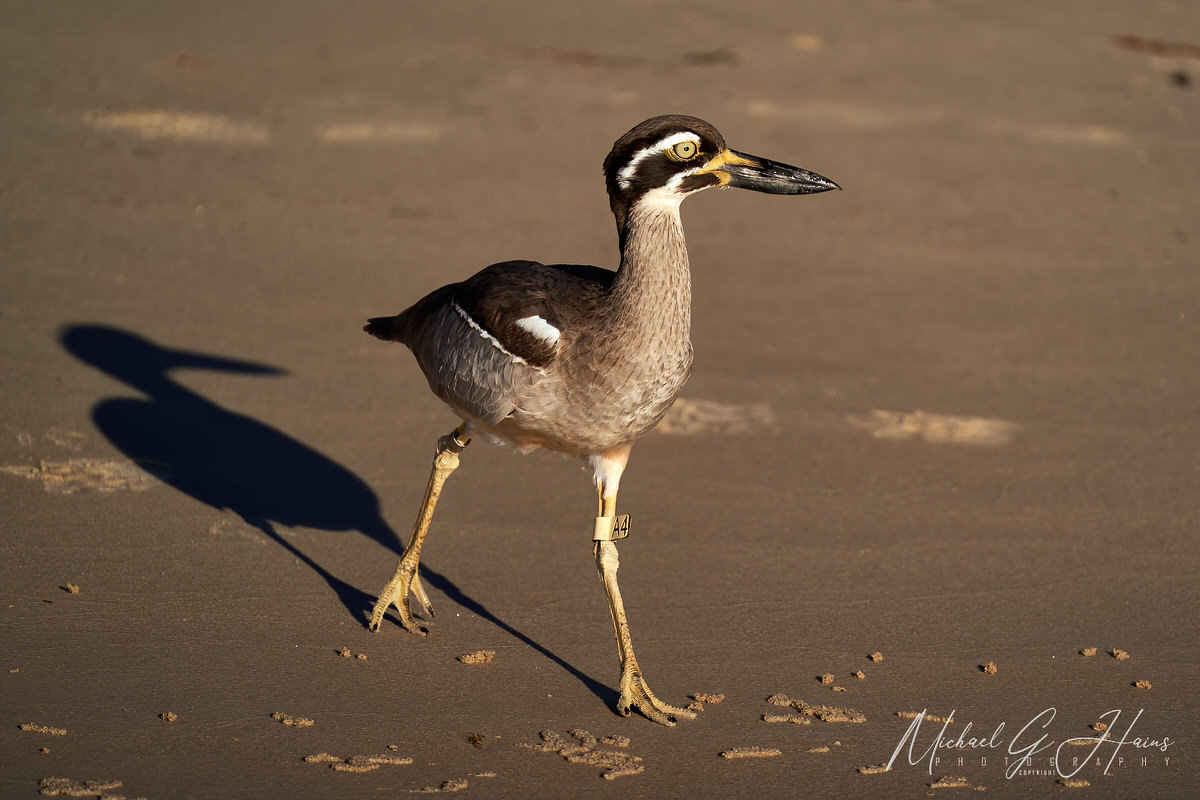
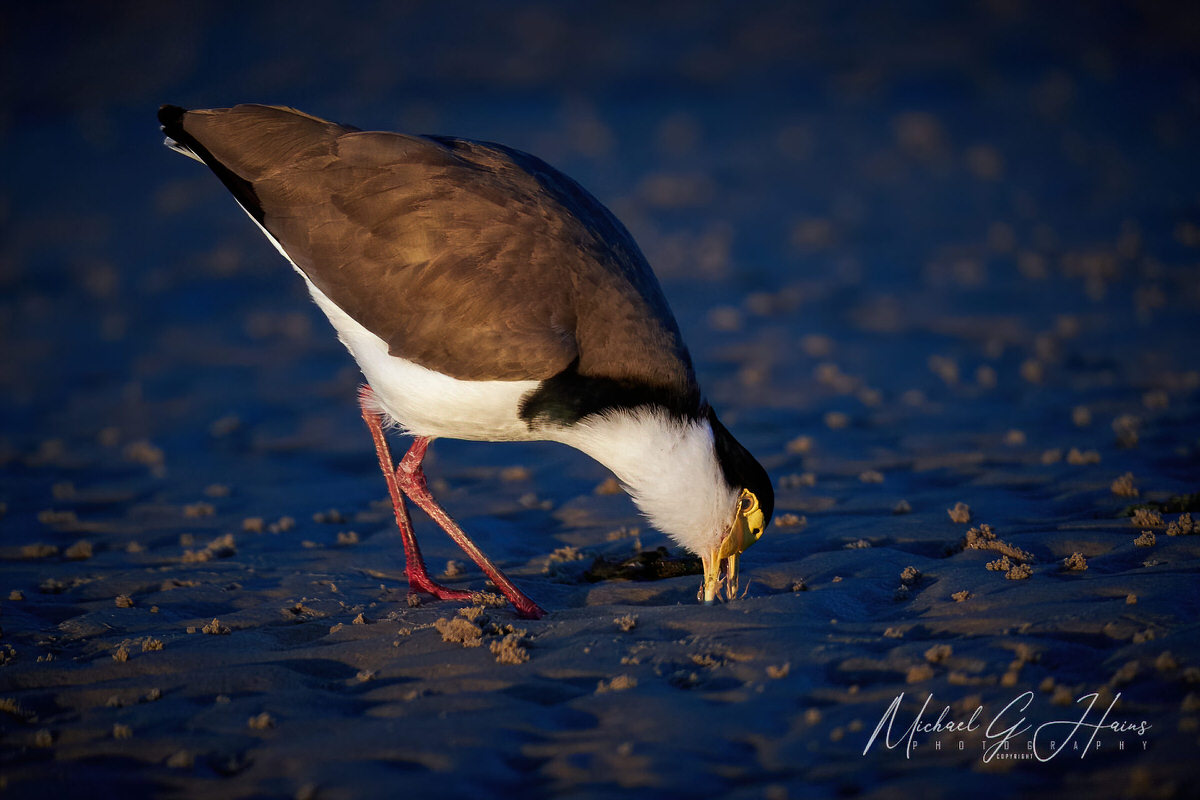
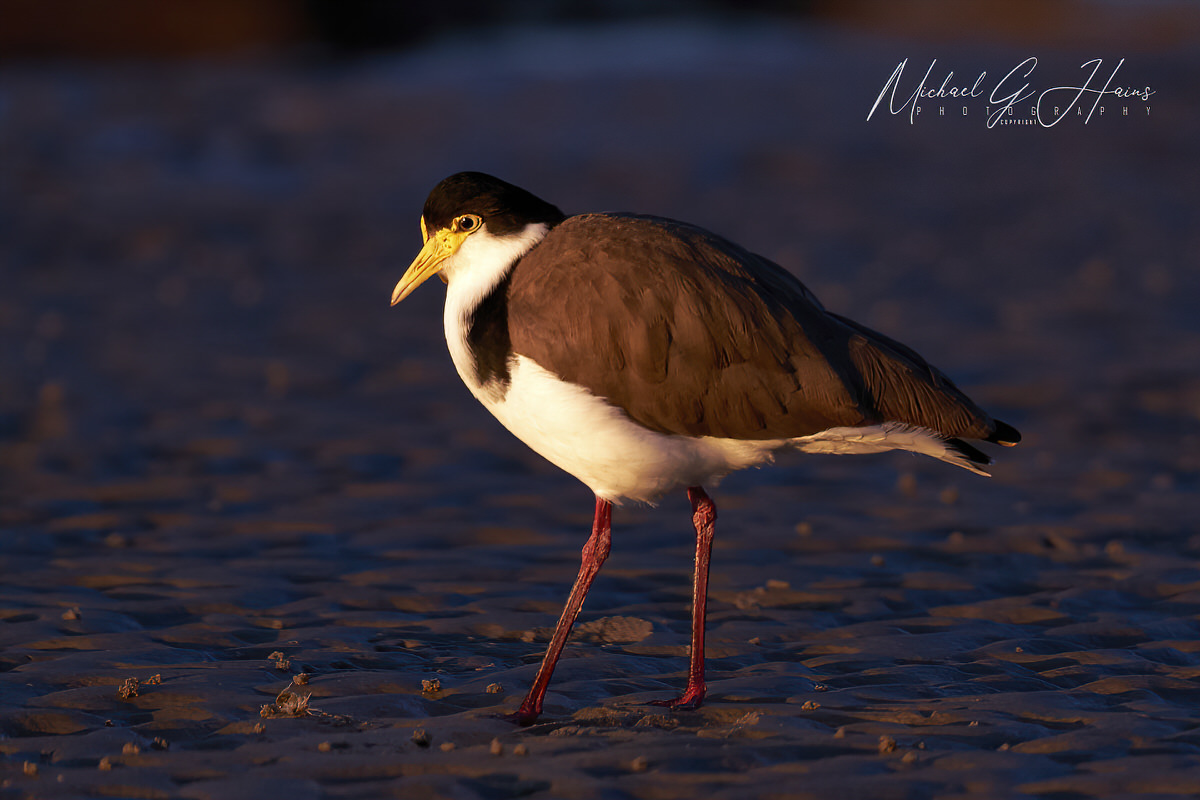
A Beach-stone Curlew and Masked Lapwing.


Off to Tenterfield early tomorrow. Some images from my last trip.




Nature put on quite a show that night. Hoping to restart the Excellent Adventure shortly.


Aussie Made No 16: Hayman Reese are best known for their towbars, but they also make brake controllers, stability equipment for caravans and trucks. The Patrol has a Hayman Reese towbar and trailer brake controller fitted: http://www.haymanreese.com.au/products
Aussie Made No 17: ARB is one of the most respected names in off-road equipment. Many of their vast range of products are made in Australia. Bullbars, canopies, suspension systems, air lockers, compressors and the list goes on. The Patrol has an ARB Twin Compressor fitted under the passenger’s seat: https://www.arb.com.au
Aussie Made No 18: Long Ranger make long range fuel and waters tanks for many vehicles. The tanks are distributed by ARB: http://thelongranger.com.au/
Aussie Made No 19: Brown Davis makes long range fuel tanks (including various tanks for the Bushmaster armoured vehicle). Brown Davis made the auxiliary fuel tank fitted to the Nissan Patrol, increasing the auxiliary fuel tank capacity from 40 to 80 litres. The main tank has 97 litres giving a total of 173 litres. The auxiliary was updated as the added weight was not directly over the rear axle but placed further forward: https://www.browndavis.com.au/
Aussie Made No 20: Safari Snorkels make snorkels for off road vehicles, allowing deeper water crossings by moving the air intake high in the vehicle. Buy a quality snorkel as the cheap Chinese crap around just deteriorates under the hot Australian sun. In my more recent years Safari have branched out to performance upgrades for select Toyota models under the name Armax. After 8 years the Safari snorkel on the Patrol looks brand-new: https://www.safari4x4.com.au/

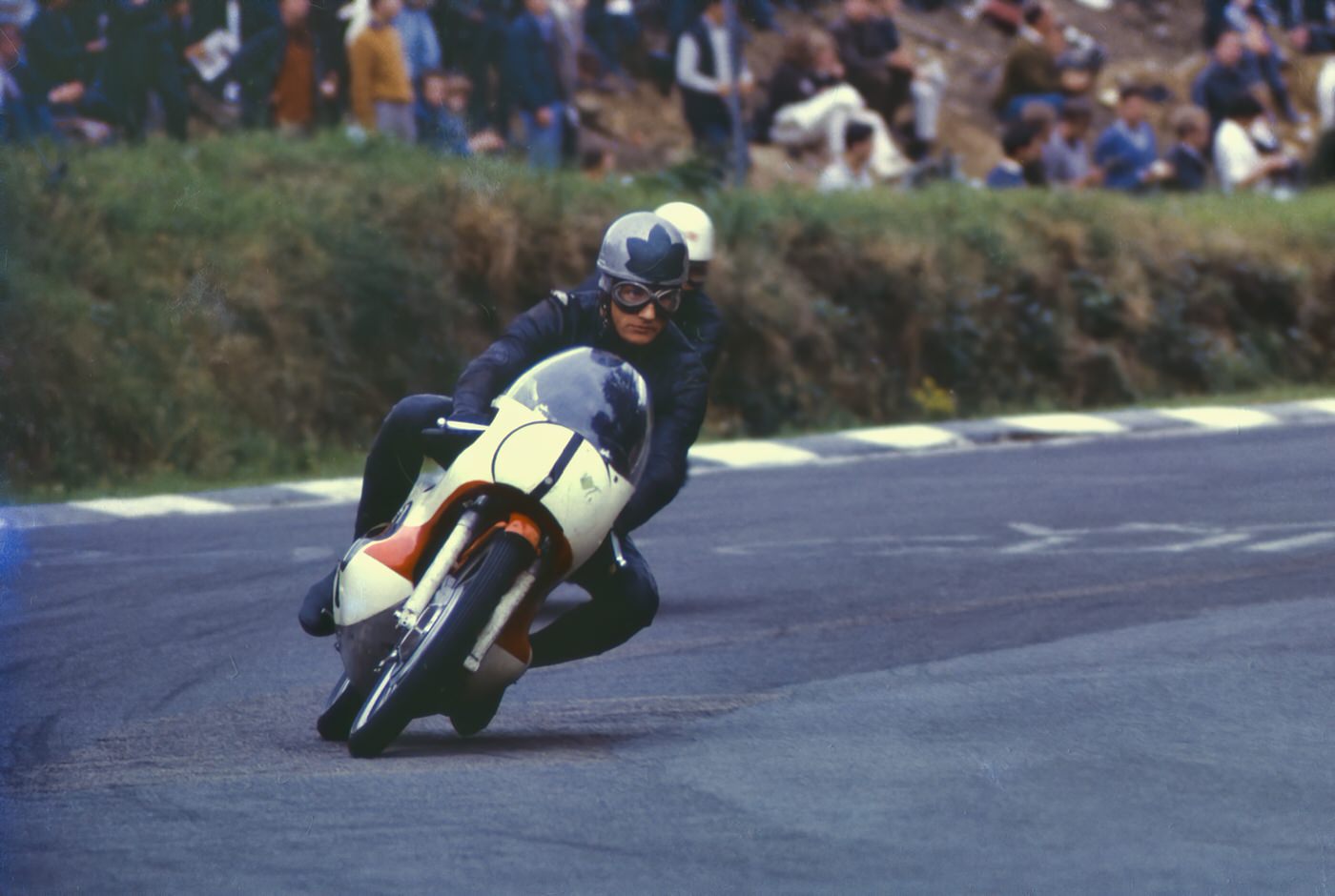
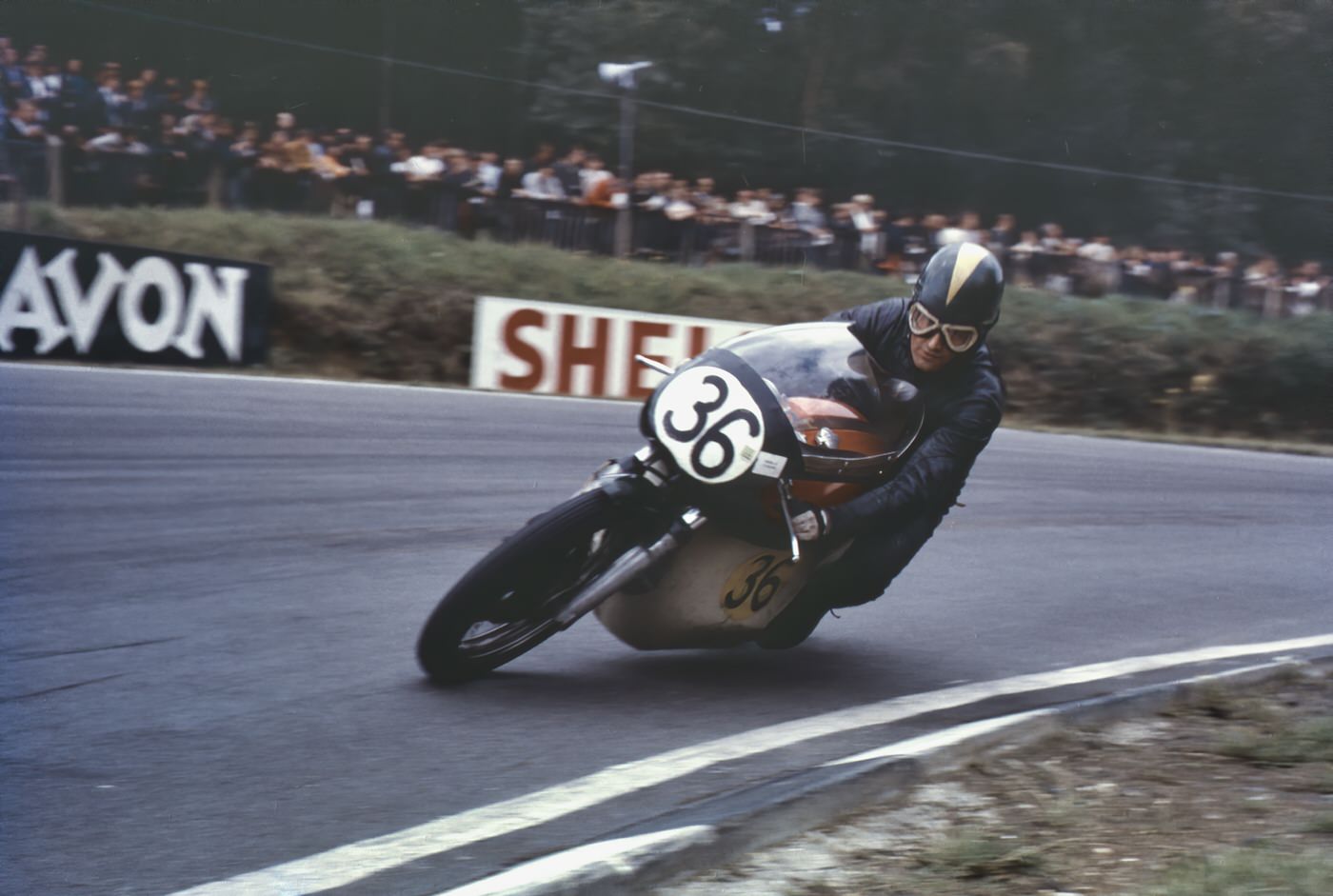
I was born in Melbourne to a family of fruit & vegetable wholesalers. At twenty, I took off for UK to follow my dream of motorsport photography, which I did for these three years with some success. While in the UK I married a pommie nurse, and brought her & her mum out to Oz by sea as 10-pound migrants. (The marriage lasted 31 years which was a fair innings).
Back home, I started a boring career in banking, with a little boost from being sent to Noumea by BNP for three months to optimise my French language skills. While there I realised that people living in capital cities are wasting their lives.
After Noumea, I was sent to Adelaide for four years. I used equity from the sale of my Melbourne house to commission a new 25-foot sailboat, which I raced in the beautiful SA waters, culminating in a fantastic Adelaide-Port Lincoln race, which took my little yacht out into the Great Australian Bight. After a week competing in the local regatta, we had a lovely cruise back to Adelaide, which included sailing amongst a 150 strong school of dolphins for an hour or more. We took turns lying on the foredeck, and stroking the heads of dolphins alongside us as the bow buried into the swells. All us blokey blokes were crying like babies!
When I got transferred to run a branch in North Sydney, I reluctantly had to sell the yacht, and moved as far away from the coast I could to drown out the call of the Lorelei. But (surprise surprise!) I took to chartering yachts on Pittwater, drawing crewmates from a big e-newsletter mailing list to help pay for 40-foot monohulls or 33-foot catamarans. I was staggered to realise that I actually totted up no less than 33 weekend charters, and actually outlasted two owners of Pittwater Yacht Charter, and teaching about 100 people how to sail.
When my marriage fizzled out in 2000, I moved to Dundas in Sydney, and met another pommie nurse via RSVP. We started as a couple but in due course she decided that she would be returning to UK to look after her parents and dote on her young grandson, so our relationship changed into great “best-friends”.
Katie went back to UK in about 2011, and we kept in touch by constantly playing Words with Friends. Anyway, I sold my Sydney unit and cleared the decks and debts, and moved up to Forster in February 2009.
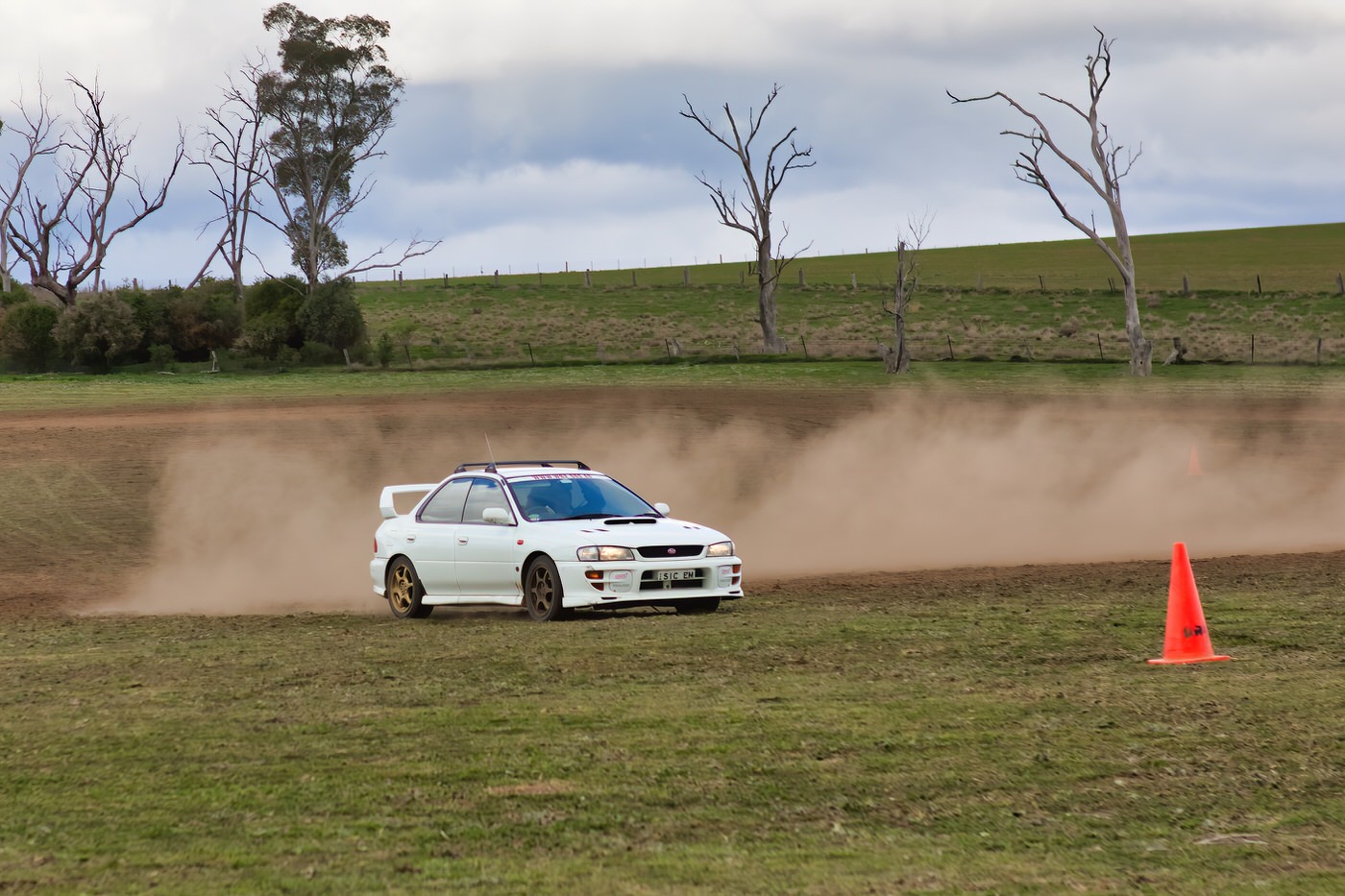
In mid-2012, I made quite a big change in my life, by selling my sporty Subaru WRX STi and buying my sailing trimaran, a Hobie Adventure Island. I started to sail around the Wallis lakes and out to sea. I was involved with a Hobie Facebook page and made more friends.
Schoolhood friends and others friends I had made in the WRX Club and sailing would visit. We would go sailing on the Lakes and I even did an Outback trip. [Part 1 here and Part 2 here.]
I returned to my photography finally, and use to run a part-time business via my website www.scenefromabove.com.au sending a camera up a 40-foot mast or up to 400 feet under a giant kite, for interesting elevated images.
1966 Bowater Paper, Knightsbridge
1967-9 Lazard Bros merchant bank London
1969 Management trainee family fruit & veg wholesale company
1970 Banque Nationale de Paris, Melbourne
1976 BNP Noumea 3 months French language immersion (after 2 years French tuition)
1977-81 BNP Adelaide
1982-85 BNP North Sydney
1985-87 Dai Ichi-Kangyo Australia, Sydney
1988-1995 State Bank NSW, Sydney
1995-2008 Contract IT Project Manager
Part time Self-employed with Scene from Above
Farewell Tony, from your family and friends. A selection of selfies Tony took and were on his computer.


It is a sad moment for me as one of my all-time favourite musicians, Richie Hayward, drummer for Little Feat, died from complications with his liver cancer.
The first live band gig I attended was Little Feat at the Melbourne Stadium in 1976. I was so blown away that I bought a ticket for the 3rd concert too (2nd was sold out), and even when my hearing came back a few days later, I was still in awe.
So I bought their records & CDs, and joined a Little Feat mailing list, where fans could swap their stories. Fast forward to 1997, when a fan was whingeing about “only” seeing the band 12 times… so I decided there and then that I just had to see them again myself.
I emailed the list moderator and asked if he could find out the schedule of the band for about 3 months out, so I could plan a trip to USA. Imagine my amazement when I received an email from Bill Payne, leader of the band, saying that since I was going to so much trouble to see them, the least they could do was have me as their guest! Talk about going weak at the knees!
I booked a trip encompassing ANZAC day and a weekend, meaning I had a 5 day trip only missing 2 working days (important as I was managing a big project at the time).
I flew out to LA and then on to Dallas/Fort Worth, Texas. Once in my hotel I walked to the nightclub venue and saw two of the band members unloading stuff from their huge red “rock bus” which was everything the cliché expects, but I was too overwhelmed to introduce myself.
Later on I sat in on the sound check, and say the drummer, Richie Hayward, walking past me, but no, he pulled up a stool to chat with me (I was blushing like a silly school-girl) He waxed lyrical about his last trip down under, and said he had been a passenger in an HQ Holden from Adelaide to Darwin! He had even been on the school of the air. He put me totally at ease…
The show was stunning, and I was almost in the front row, and right then the whole trip was worth it.
Afterwards, the road manager came and got me and led me backstage, announcing “Found him” before we entered the room. There were my seven musical heroes all bearing huge grins! We soon got into small talk mode, and Richie mentioned how he had found this large crescent-shaped beach with awesome sand & surf, and said that anywhere else in the world it would be covered with people, but here there were just the five people in his group. Once I suggested this would be Byron Bay, Bill Payne added there is a recording studio on the northern tip of that beach, where he spent a fortnight working with Art Garfunkel (I can’t top that name-dropping, LOL).
I handed over my “Aussie pack”, which included Violet Crumbles, Vegemite, etc and went back to the hotel hyped up.
Next day I drove the hire car to Austin, and met up with another fan and his wife, who kindly offered me accommodation in their spare bedroom, so I got to experience suburban Texas (trucks in every driveway, etc). We went for lunch at Fothergills, the holder of liquor licence #1 in Texas and the place where Janice Joplin worked as a waitress while at the nearby university.
That night I went to the venue and took my video camera. The band was happy for me to make a video of the show so I took full advantage, and moved around in front and behind the stage. At one point, the bass player, Ken Gradney, dragged me on stage from behind a curtain and attempted to get us in a two-shot with my camera in the middle of a song! Cool! I had a big chat with Paul Barrere the lead guitarist, about getting the band to come back to Australia.
My gift this time was a bottle of OP Bundy rum.
Next day it was off to Houston, driving past endless rows of oil wells and fifth-wheeler horse floats. I got lost in Houston due to road-works, and when I arrived at the Band’s hotel, the road manager expressed relief and said there were worried faces in the band about my non-arrival.
The gig this time was an outdoor one, and as it was drizzling, I was invited to wait with the band in the bus. – yup the clichéd classic sign of the world of rock and roll. Inside, there was a huge kitchen/lounge area, and then about a dozen railway-style bunks, finishing with a private room at the rear which was definitely not explained. Soon, the band’s female lead signer, Shaun Murphy, offered me cookies she have made in the kitchen (not the tough R&R image ). My gift this time was the coffee table book “Australia the greatest island” a pictorial record of a journey by three light planes around the coastline.
The gig was once again simply awesome, and I was very reluctant to say goodbye and head on home.
Once I got home, Bill suggested that I channel my enthusiasm into helping to get a world-wide “Feat fans” grassroots movement going, to help the band grow, and help support local gigs. So I found myself in charge of Feat Fans for everywhere except in USA! Ambitious eh?
I tried to get them to Australia, and even found an entrepreneur prepared to put up some money, but his idea was a low-key clubs & pubs tour, which was definitely beneath the band’s status as one of the US’s all-time classic rock & roll bands.
A few years later, the band announced they were performing in the 2001 Blues & Roots festival in Byron Bay. Awesome! I rented a fancy town-house and got a few other fans to join us there to share the costs.
I met them at their hotel in Ballina, and it was like a family reunion, with warm hugs all round.
I organised a small afternoon party for the band in Byron, and laid on the Aussie cliché for them, with beer in the washing machine, fairy bread, Balmain bugs, etc and those members of the band who made it enjoyed it. Happiest moment for me was seeing two of the band sitting outside under a grass-roof gazebo, discussing their home renovations – just the easy-going atmosphere I had hoped to create…
The gigs on the two nights were incredible, with about 13,000 fans overfilling the giant circus tent and rocking away in a surging mass to the music. We watched from back stage, and Peter Garrett joined us, and clearly loved the show too.
Next day we drove back to Sydney, where we enjoyed another great gig at the Metro Theatre.
Next day, I joined the band on a flight to Melbourne and one of the 15-20 US fans who came to Australia with the band kindly paid for a room for me and another fan who came down with me from Byron. This time the gig was at the Melbourne Casino, and yet again, I was in heaven…
At this point I was supposed to go back home to Sydney, but my enthusiasm got the better of me, so I booked a flight and joined the band in Auckland, New Zealand! As this was unplanned, I had no accommodation, but the road-manager let me sleep on a sofa in his room. So, I got another fix!
Sadly, Richie died in 2010, but he secretly coached his drum technician Abe, to take his place when he got too sick to continue. Typical wonderful consideration all the band showed for each other.
I also got to see them again in 2011, when they performed at the State Theatre in Sydney, along with Leon Russell. It was great to catch up, and swap notes with bass guitarist Ken Gradney about hip replacements, as his wife has had several. We are all getting older!
So, I do qualify as one of the oldest groupies around? LOL

I have always been a rev-head, from way back in my motor-racing photography days, and my previous treasure was a Torana XUI similar to the sort Peter Brock won Bathurst with, and I had it maintained by the team racing garage in Melbourne. For its day it was one of the highest performing cars you could buy. (Don’t worry, this is not going to be a catalogue of my cars!)
Fast forward to 1998. I was interested in Subaru’s WRX, but the papers were full of them being stolen and used for ram-raids etc, so I cleverly bought a Falcon XR6, which was soon stolen (Karma is a bitch sometimes). So I ordered a Subaru.
About this time, I found out there was a WRX club in Victoria, but not in NSW, so I decided to start one from scratch here. In April 1998, 16 of us assembled at a pub in Frenchs Forest, Sydney, and the Impreza WRX Club was formed. We allocated member numbers alphabetically, so I got number 10.
It became an obsession for me, and we eventually got more than 500 cars in the club. I was rather frightened when one member said at a club meeting “I want to race my car” – this was getting serious.
Next thing I know, I have a track licence, and I am participating in supersprints, which involve timed laps of a racetrack in multiple sessions during the day, with final results based on the best single lap. Not long after, I have piles of track & dirt wheels & tyres at home, and my car is getting loaded with modifications (my marriage was stuffed well before this I promise). Runs on the dyno confirmed that horsepower was increased lots, while my lap times improved, and I got to know a bunch of really nice people.
Over the next few years I competed at Eastern Creek, Wakefield Park (near Goulburn), Tomago Speedway, Raymond Terrace Hillclimb, Richmond and Canberra on dirt/grass, while also effectively running the club and acting as advanced driving instructor at our driver training days. I treasure all the great weekends away for club events. My wife was not interested apart from very rare occasions…
By 2000 Subaru brought out the Impreza WRX STi, which was a greatly enhanced high performance version of the WRX. I couldn’t resist, so traded in my well worn WRX. I sold the STi, but don’t really miss it (see below), but it was utterly fantastic, and easily capable of outperforming almost any motorbike except on the straight. Once I retired from the racetrack I removed some of the modifications, including the over-ride on the speed limiter, so maximum speed was governed from 255 to only 180. But with its 4wd, it is a real rocket ship on any surface, to the point where I banished myself from driving to Sydney via the curvy Lakes Way, because I found myself travelling at insane speeds out in the empty roads!
So in a way, selling the car to buy something bland I could leave at a boat ramp, while buying an awesome Hobie Adventure Island which will get me fit, has got to be a satisfactory close of the rev-head chapter. I will stay in the club forever though as a Life Member, plus all the friends I have made in the earlier years of the Club.





The Doc has been working with Anderson plugs lately. Anderson plugs are used for various 12 volt wiring in the Nissan Patrol, like supplying power to the fridge or auxiliary battery in the trailer. They look like this:

The new solar panel is connected to the DC to DC charger with an Anderson plug, plus the new Battery Box also has them.
Anderson plugs come in various sizes and colours, the most common is the grey 50amp version used in cars and caravans. Anderson plugs come in various colours, with each colour only being compatible with the same colour (although black and grey of the same size are commonly compatible). The Doc is talking about the grey 50amp plugs.
The Doc has identified a few pitfalls when buying them.
Anderson plug verse Anderson “style” plug
The genuine Anderson plugs are called Anderson plugs, the third party knock offs are normally called Anderson “style” plugs. The knock offs can have a different size housing which can cause issues when plugging them into a genuine Anderson plug. They can also be of inferior quality. Lastly, the spring inside an Anderson “style” plug that holds the lug in place can be sub-standard compared to the real thing. Warning: knock off lugs may not fit properly into a genuine Anderson housing. The lugs will not correctly lock over the internal spring.
Tip: buy the genuine item (see more below).
Shy high pricing (so shop around)
The Doc has seen pricing as high as $36 for a genuine grey Anderson plug with the lugs. A complete Anderson plug means the housing plus two lugs (sometimes the housings and lugs are sold separately). Other colours like red (commonly used with solar), blue and yellow cost even more.
Even third-party knock offs can be over $20 for a single Anderson plug!
Either price is daylight robbery.
Buy genuine Anderson plugs here
The Doc sources genuine Anderson plugs for about $3 each (including lugs). The price can vary a little depending on how many you buy. Even Australian Direct sells a knock off for $9 each, plus postage. The Doc is getting them for $3 each including postage (The Doc is a member of eBay Plus).
The Doc buys genuine Anderson plugs at Connector-Tech ALS here.
Connector-Tech ALS is a supplier of military and commercial harsh-environment connectors. They have wholesale pricing on their eBay store. Warning: housings only are cheaper than $3 each but they do not come with the lugs, hence the cheaper price.
At around AUD3 each there is no reason to buy third-party brands.
Lug size varies
Many Anderson style plugs have only one size lug – we are talking of the internal size on the hollow end where the wire is crimped or soldered.
The Doc crimps the copper wire into the lug, when using thinner wire this can cause problems when crimping.
You can buy genuine Anderson lugs in 3 internal sizes, 6AWG, 8AWG or 10-12AWG. The Doc then matches the wire size to the hollow end of the lug to get a perfect crimp.
Tip: it is always a good idea to have extra lugs if you mess up a crimp or need to rewire a plug.
You can change the Anderson plug housing
Anderson plugs of a given size (say 50amp) but a different colour are not generally compatible, as the housing shape is different. It is intended to stop people accidently mixing up incompatible power systems.
However, the lugs are the same. You can remove the lugs and wiring from say a grey Anderson plug and insert then into a spare red, blue or yellow Anderson plug of the same size.
Tip: the lugs click over the spring on the inside of the housing. Get a small screw driver, press down on the spring to release the lug and pull out the wire and lug. Insert into the new housing.
Buy quality copper cable
The other important requirement is good quality copper wire of the correct size. There is good quality copper wire made here in Australia by Tycab and Wise Owl. The Doc buys Australian made Wise Owl (made by Austech Wire & Cable) or Tycab copper wire – often from Connector Tech ALS, Tinker Wholesale or Brillante Sales.
Good quality copper wire can be expensive, but do it once and do it right. A failure in the power system in remote Australia can be disastrous and expensive.
Tip: keep wire offcuts, as The Doc has made various adapters from offcuts, like a grey Anderson plug (general usage) to a red Anderson plug commonly used for solar panels. It is only 30cm long but allows a conversion from one type of plug to another. Another option is to make a double adapter like this one from Australian Direct:

Crimping tips
The last ingredient is a good crimp. The Doc’s suggestions on getting good crimps:
The initial cost of the tools can be expensive, but they will give you a lifetime of service. One job The Doc did on his car, meant the tools paid for themselves.
A Guide on crimping generally has also been posted here. That Guide is longer, has more tips and deals with crimp terminals rather than Anderson plugs.
You must be logged in to post a comment.