A rare cross hydrid, the Brachychiton populneus x acerifolius. Unusual green bark because when young this tree can photosynthesie on its trunk, not just the leaves, hence the green colour.


A rare cross hydrid, the Brachychiton populneus x acerifolius. Unusual green bark because when young this tree can photosynthesie on its trunk, not just the leaves, hence the green colour.
Commonly known as Rosewood or Rose Mahogany.
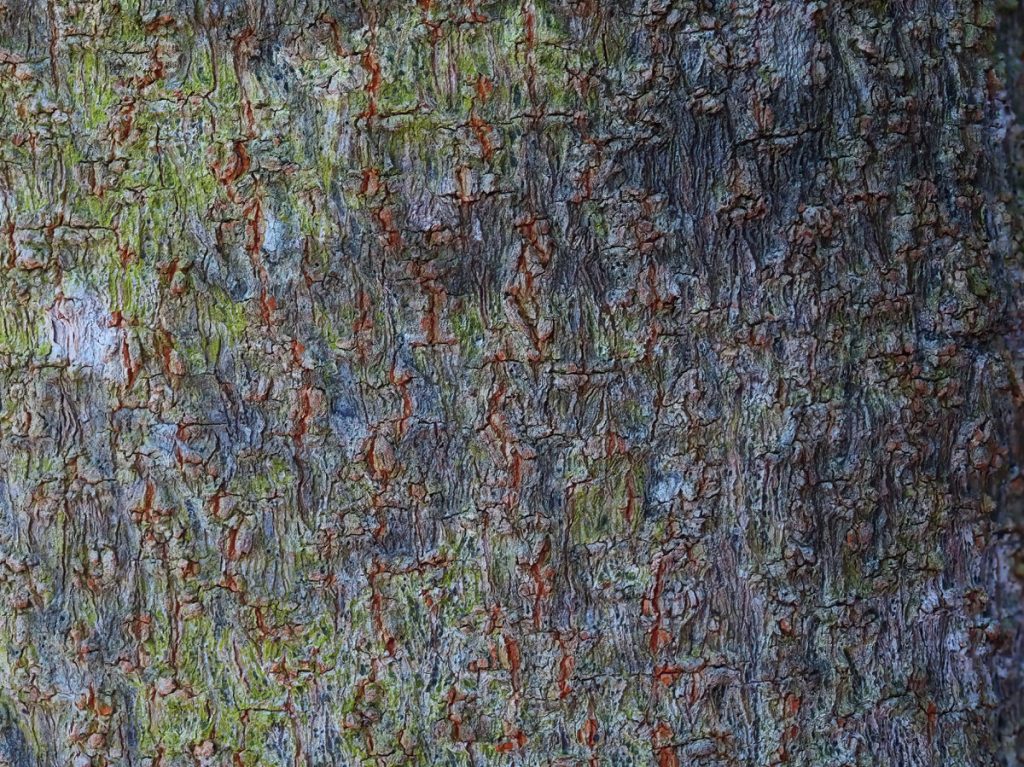

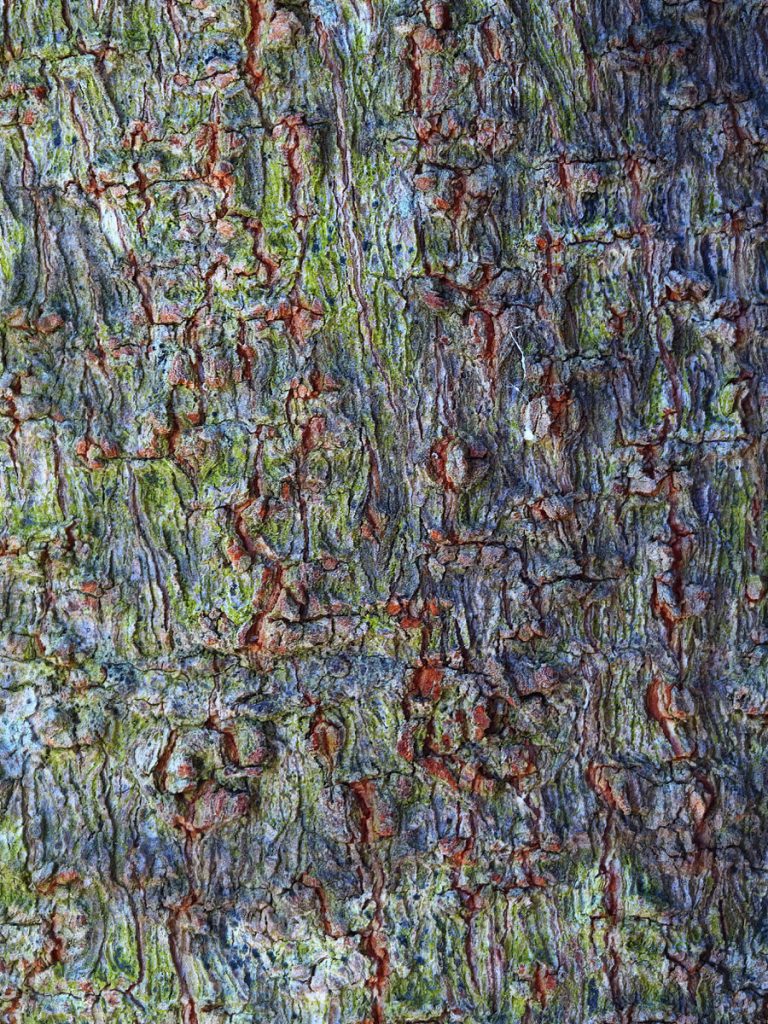


Bark of the Fraser Island Turpentine, which is heavily textured with deep furrows and hills on the trunk. This tree was 10.51 metres high. Bark varies greatly on each specimen.


Arguably the rarest tree in the world, at least in the wild, the Wollemi Pine. There is a handful of specimens still alive, all genetically identical. Zero genetic variation in the population means they all come from the same tree.
You can buy them in a nursery, because after its discovery in 1996 the NSW Botanic Gardens set about growing it in quantity through nurseries, to reduce the risk of people looking for the few trees in the wild. It was only previously known from the fossil record.
This is the bark on an immature tree 3.93 metres high, from the NSW Botanic Gardens.

The bark of Callistemon shiressii, another very rare plant. There is a lot variation in the bark appearance between different trees. It does not have a common name, as it is uncommon!

Callistemon salignus more commonly known as the White Bottlebrush.

Callistemon formosus or Cliff Bottlebrush or White Alder, a very rare species.

The Doc could not find a common name for this variety of wattle. It is beginning to flower in the middle of winter at Mt Annan Botanic Gardens.

Also known as the Blackwattle, Early Flowering Black Wattle, Curracabah, Lamb’s tail wattle. Mostly initial periderm (older bark).

The Velvet Wattle or Soft Wattle. The bark has an usual colour palette as well.

You must be logged in to post a comment.