Reaching into the image archive of the Excellent Adventure again, this time the walleroo or Macropus robustus. Click to see full size image.


Reaching into the image archive of the Excellent Adventure again, this time the walleroo or Macropus robustus. Click to see full size image.
Working through some images during lockdown. Some rare photos of the endangered Bridled Nail Tail Wallaby from AWC’s Scotia Sanctuary. Click on the image to see full size.


The other revelation of the colour palettes has been leaves green leaves using transmitted light. We normally look at leaves in reflected light, but transmitted light is when the light source shines through the leaf. Your reaction is to think they are just shades of green, but they are much more complex than that.
On my walk yesterday The Doc picked up some eucalyptus leaves which he identified as Eucalyptus baueriana, or Blue Box. The Doc found an immature leaf and a mature leaf and photographed both.
Here is the immature leaf, a fairly consistent green.

The palette reveals it is more complex 154 core colours!

The mature leaf has core colour palette with 254 colours, 100 more!

The Doc then took both images and looked at the combined colour palette from both, it was 242 colours. While there is an overlap in the colours, the various palettes demonstrate that the leaf over it life varies in colour. More than what we first think. The Doc noticed this in barks as well and it is obvious over the life of flower.
Creating the colour palettes for the barks, flowers and leaves has been an eye opener. Take Banksia blechnifolia, which The Doc thought was a fairly bland flower, at least as Banksias go. Here is the image:

At first glance it suggests a bland colour palette, until you analyse the palette. Here are the ten most dominant colours including Rose Gold, Big Dip O’Ruby and Turkish Rose:

Further analysis shows 178,775 total colours, comprising 179 core colours. And The Doc was thinking there was two main colours, white and rose-pink.


The Doc has been busy over the past couple of weeks processing bark images from Lismore Botanic Gardens plus some from the archives, over 300 images. A small sample from the colourful Corymbia family. Click on images to see them at at full size.


A few visits to the Lismore Rainforest Botanic Gardens has yielded more bark images. Plenty more to come.
The Doc will probably leave Ballina tomorrow and return to Sydney.


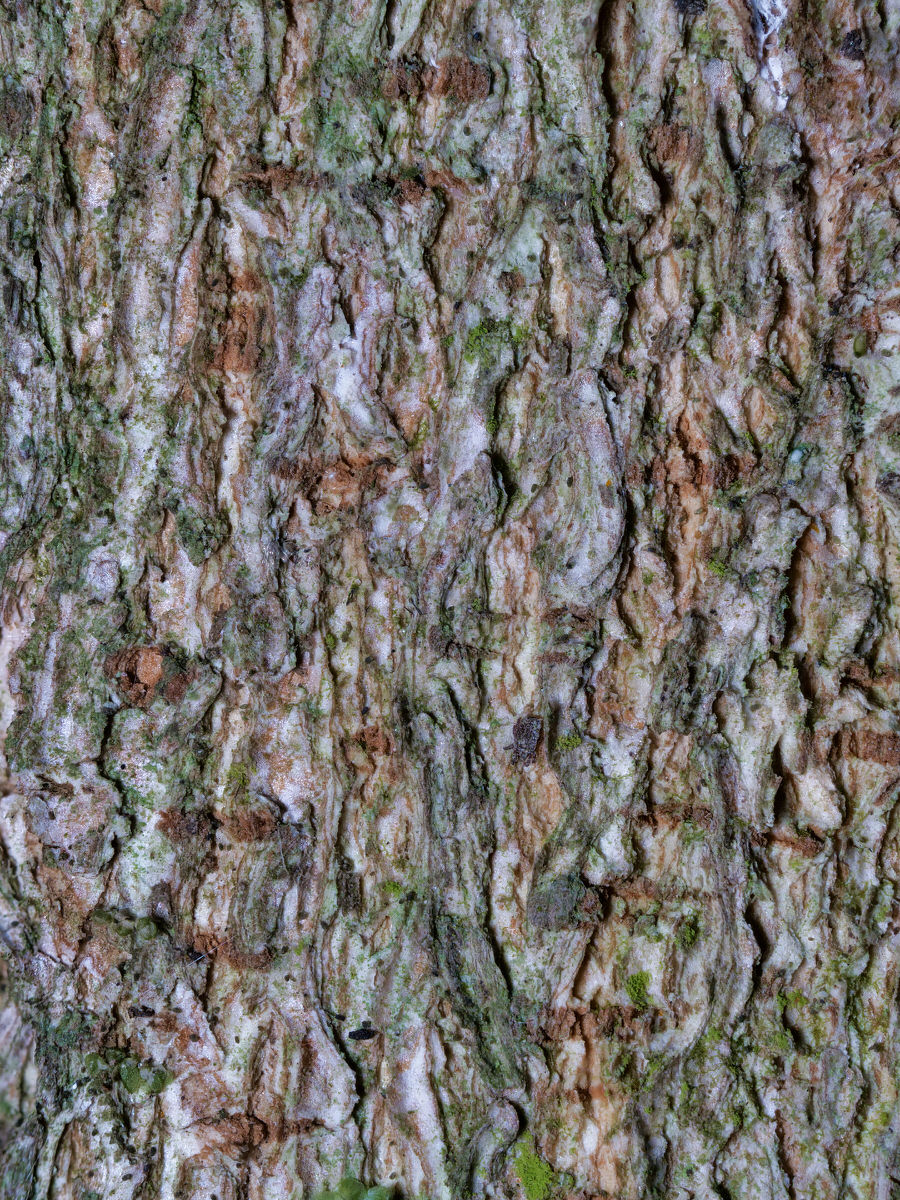

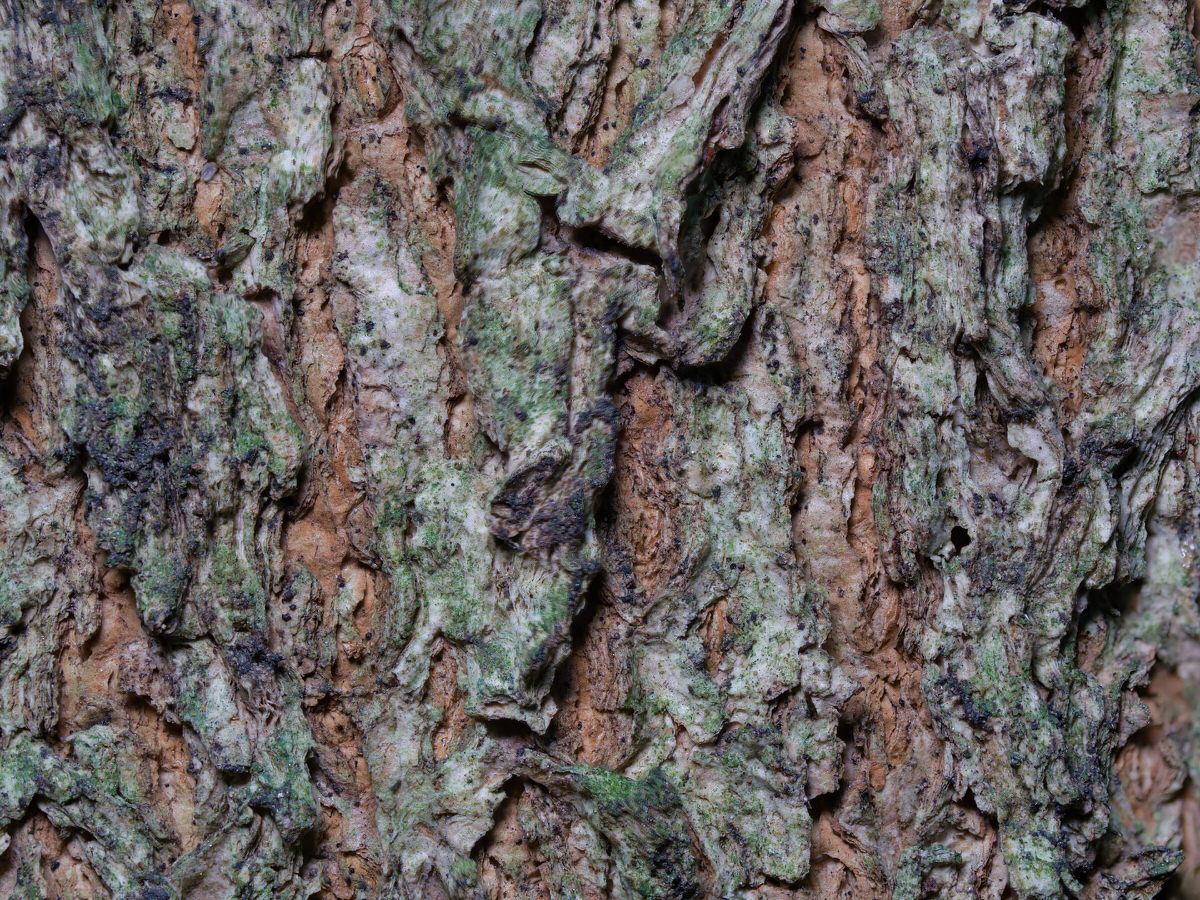
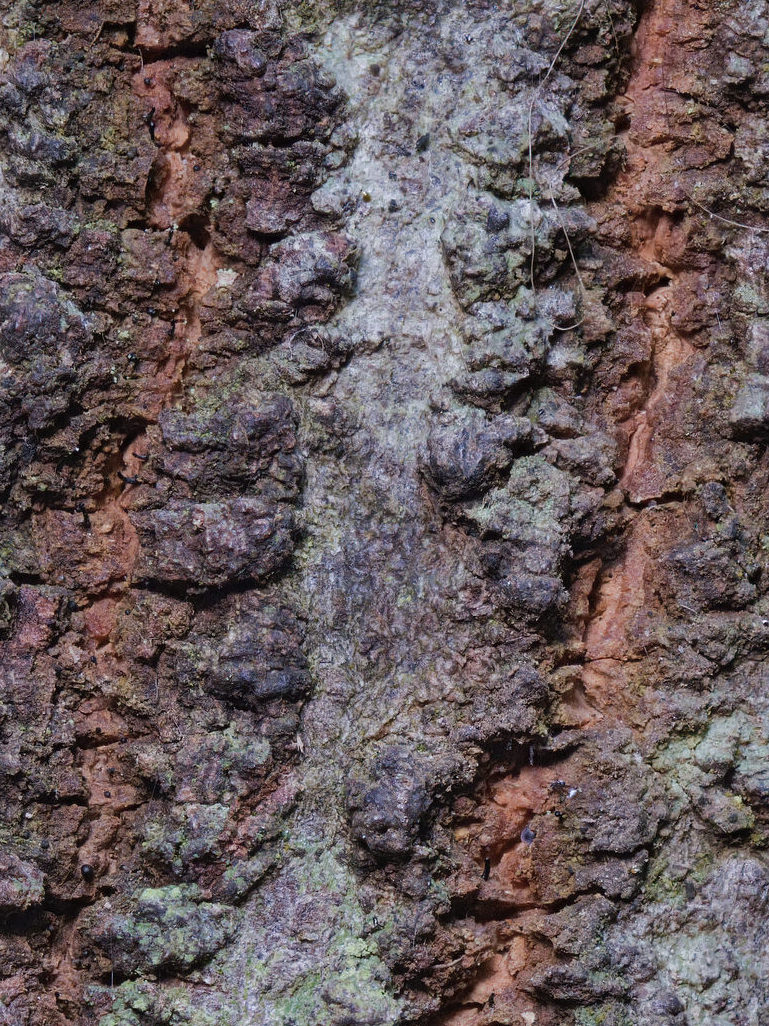

A couple of pictures from the Tenterfield trip.


From Gundbooka National Park, the back of Bourke!


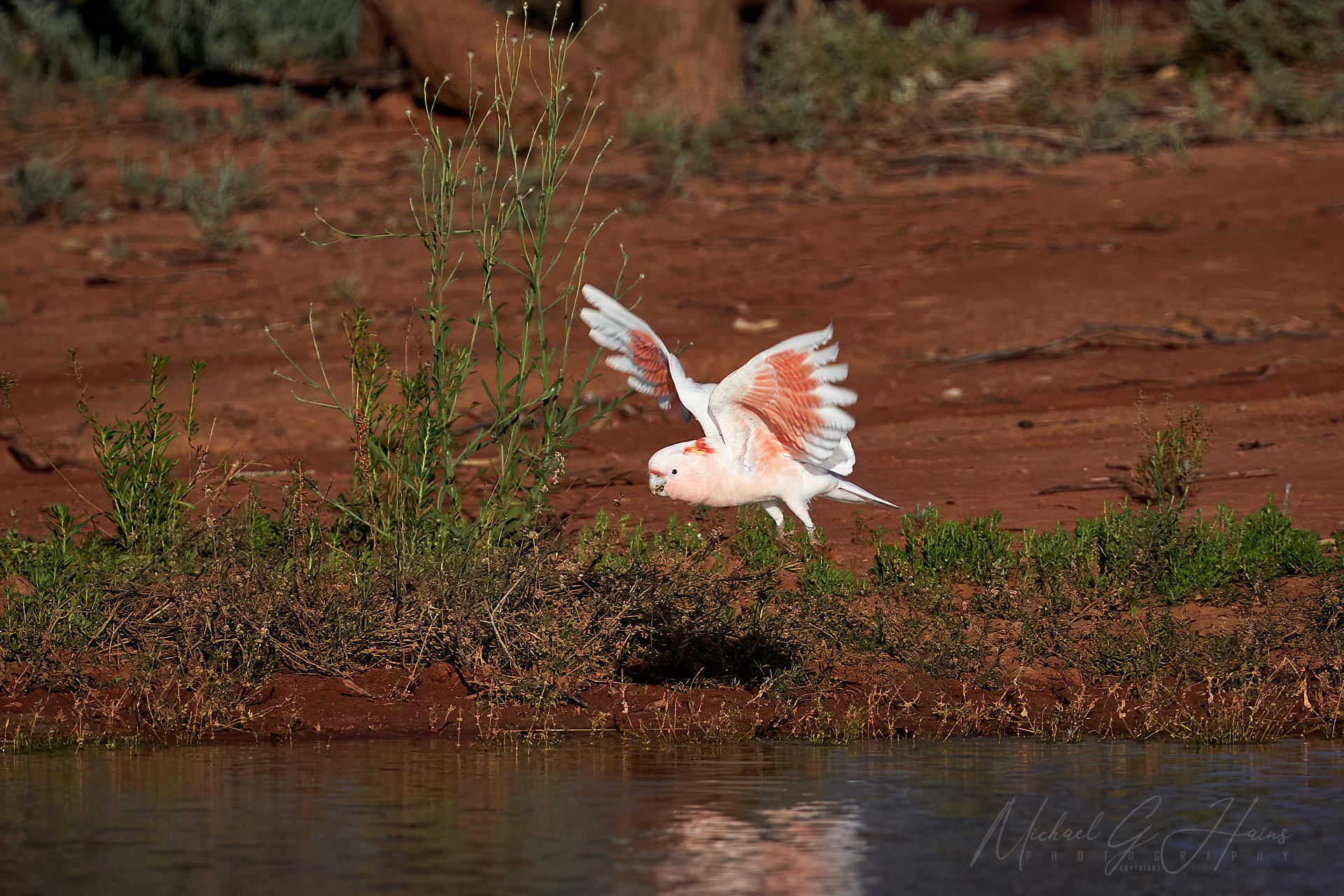
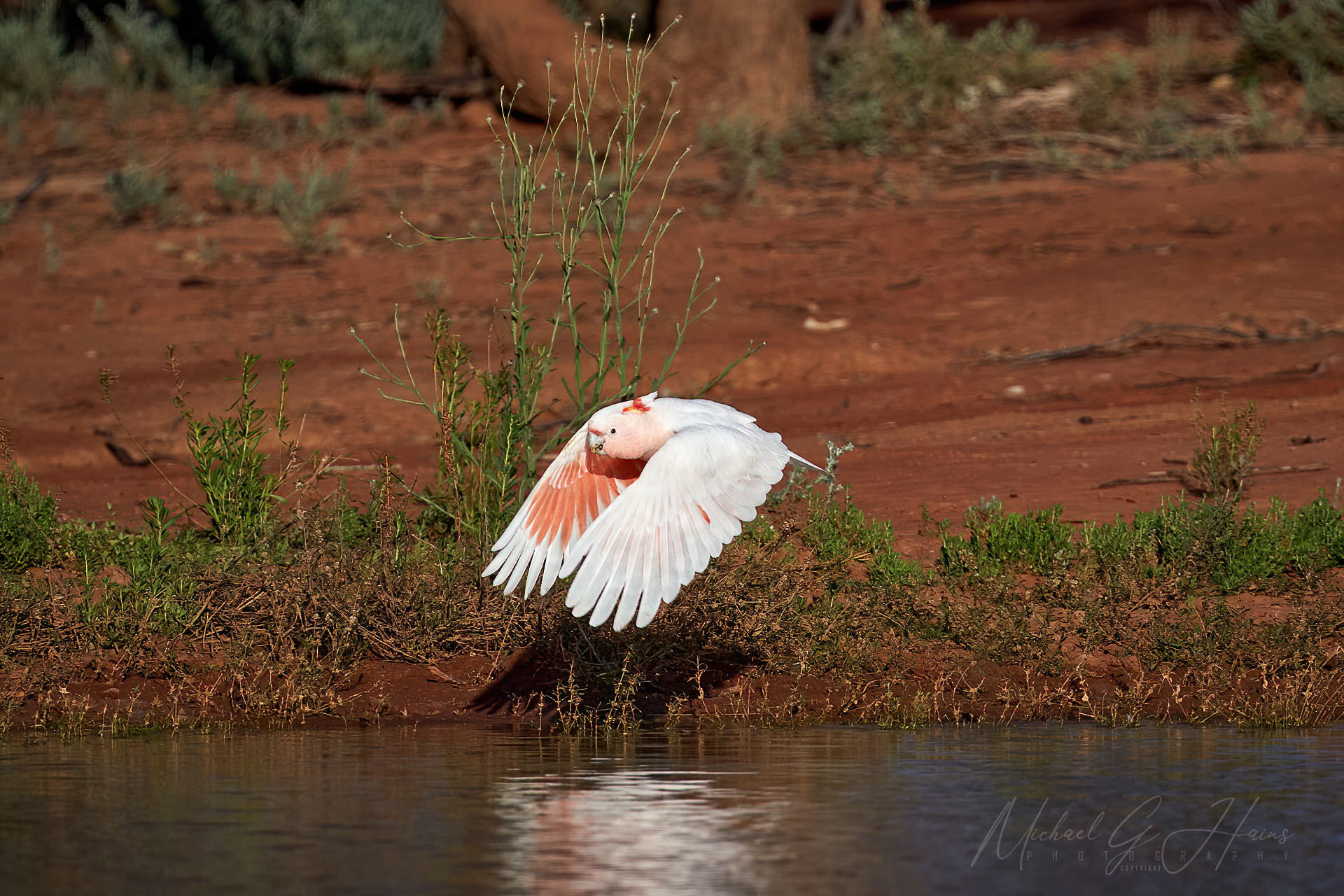
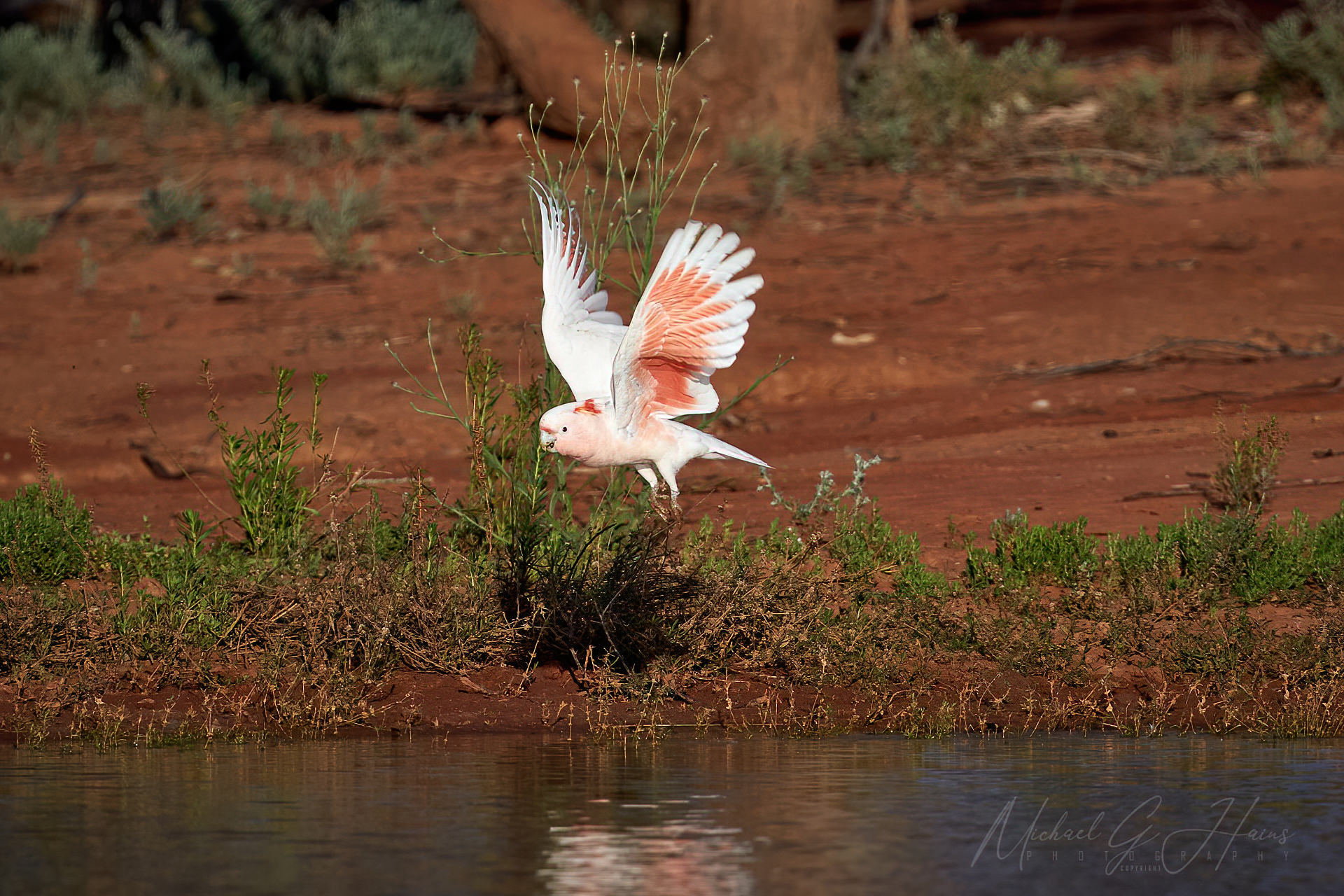
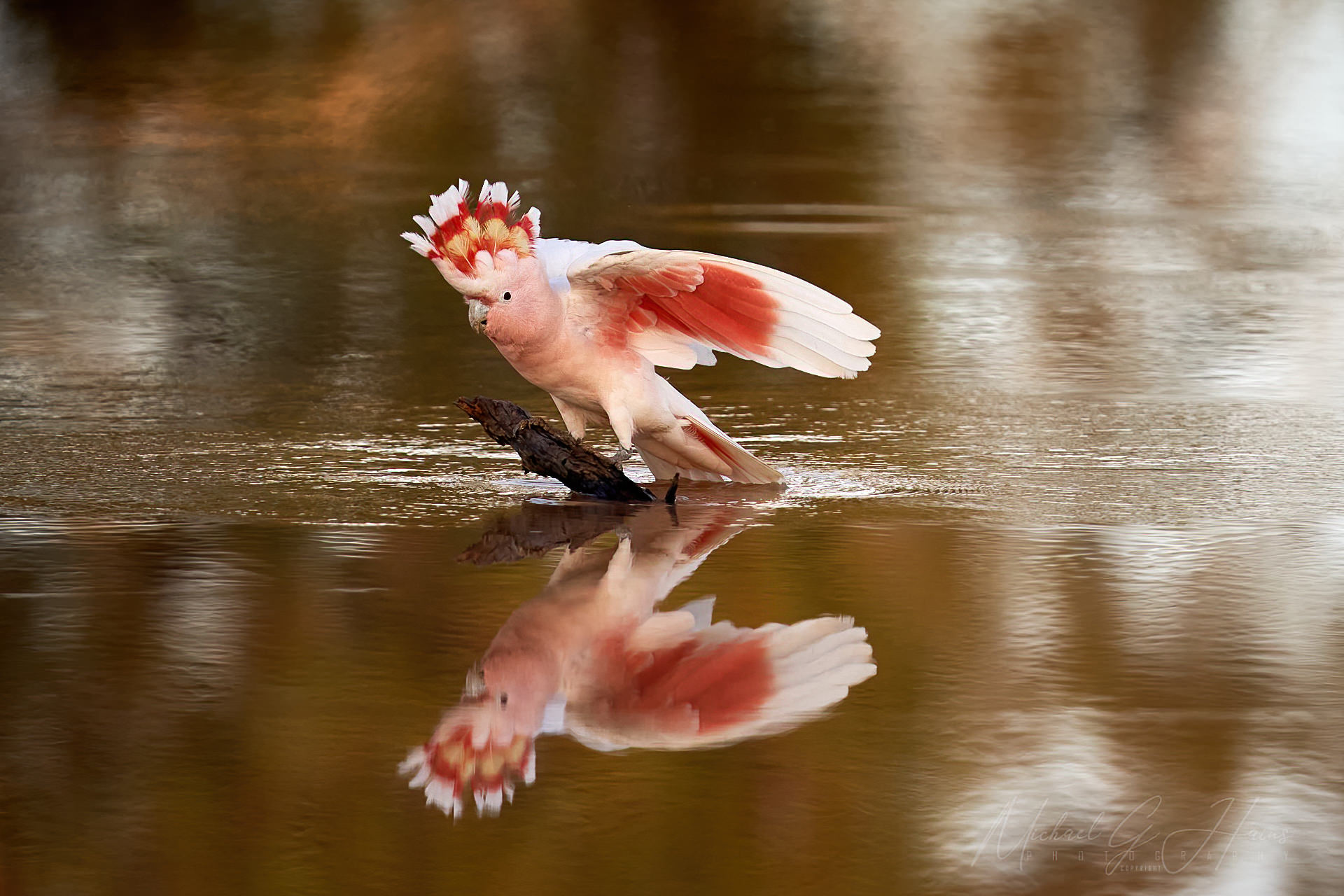
Considered by some to be the most beautiful Australian parrot, the Major Mitchell Cockatoo at Gundabooka NP. It s certainly one of the most stunning. Click on photo to see full size image.

The Doc could not get close to the Red-backed Fairy-wren, even in full camouflage gear. It turns the images cropped nicely, so here are two images.


You must be logged in to post a comment.