From The Doc’s New South Wales trip in 2014.


From The Doc’s New South Wales trip in 2014.
The Doc reprocessed some of the images of his visit to Bouddi National Park.


Just reprocessing a few images. Viva Cristo Rey.


On the trip to collect the Vista RV Crossover caravan, The Doc had a short stay at Dubbo and managed to visit the Narromine Aviation Museum.
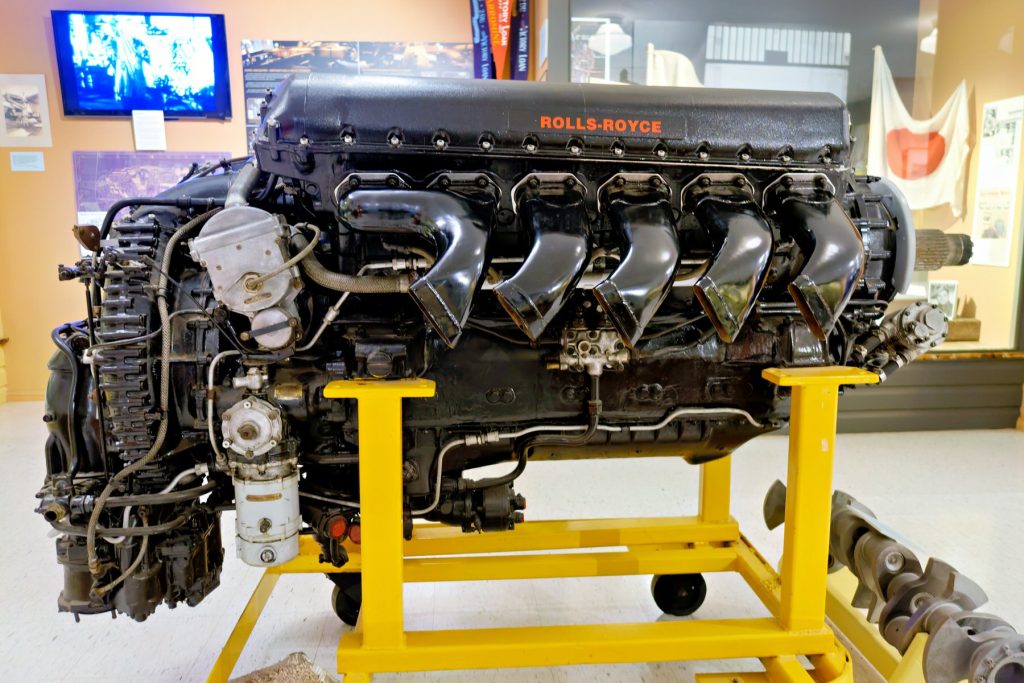
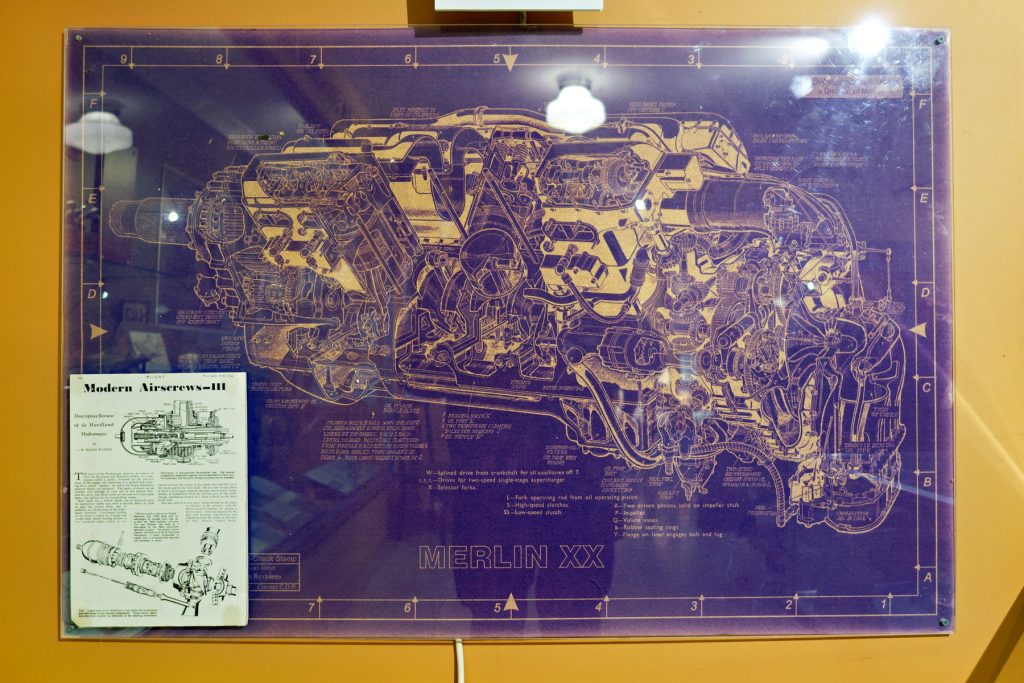
During WWII Narromine was one of the largest pilot training schools in Australia. Images include the Rolls Royce Merlin engine, from a De Haviland Mosquito, as well as parts of the Bristol Beaufighter used by Australia during WWII.
The Mosquito used a Rolls Royce Merlin Mk25 engine. It had a single stage supercharger for low level missions of 618 RAF Squadron. In December 1944, 618 RAF Squadron was deployed to Australia to use Barnes Wallis’ Highball bomb against Japanese targets – aka a variation of Wallis’ famous dambuster bombs. But 618 were never deployed into combat in the Pacific and the Mosquitos ended up at Narromine and were sold off after the war. De Havilland Aircraft also built Mosquitos at Bankstown Aerodrome in Sydney.
The Dambusters were 617 RAF Squadron, flying Lancaster Bombers using the Upkeep variation of the bouncing bomb.


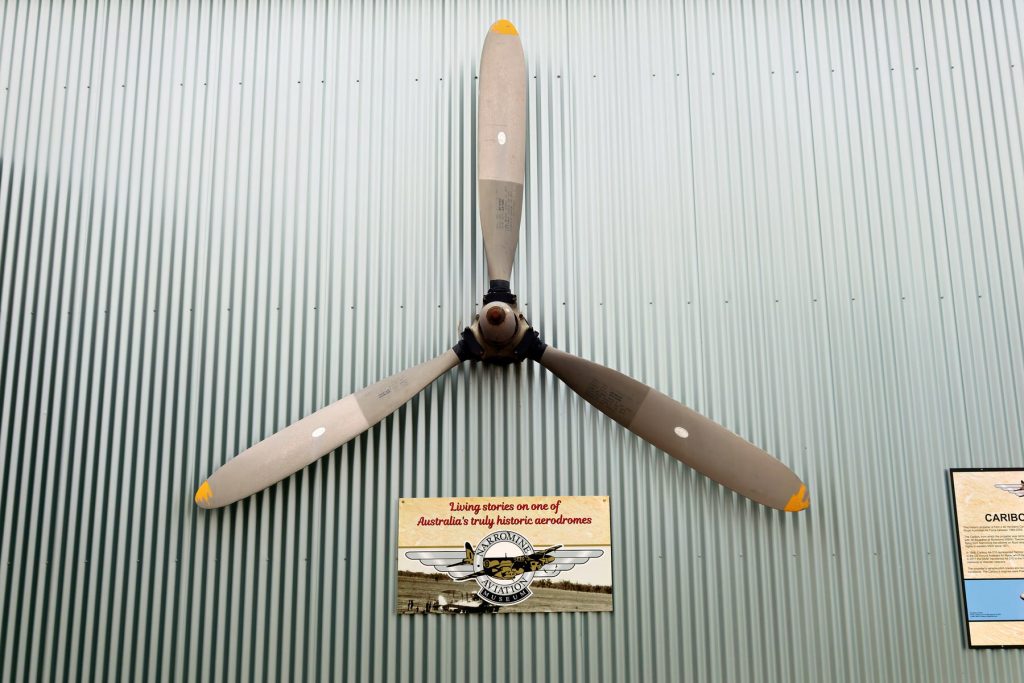
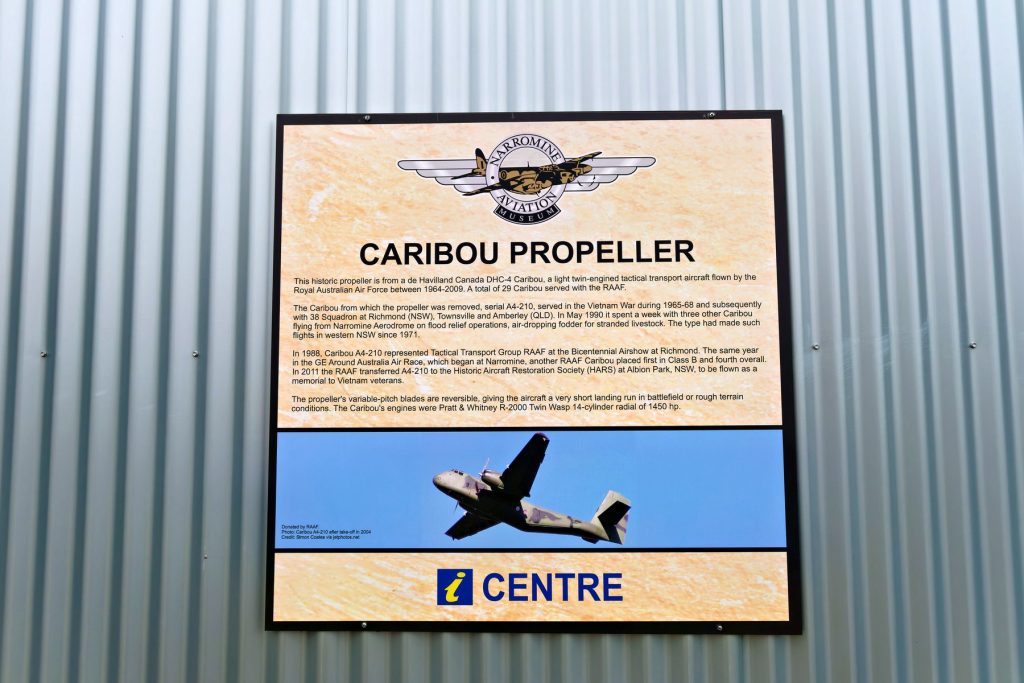
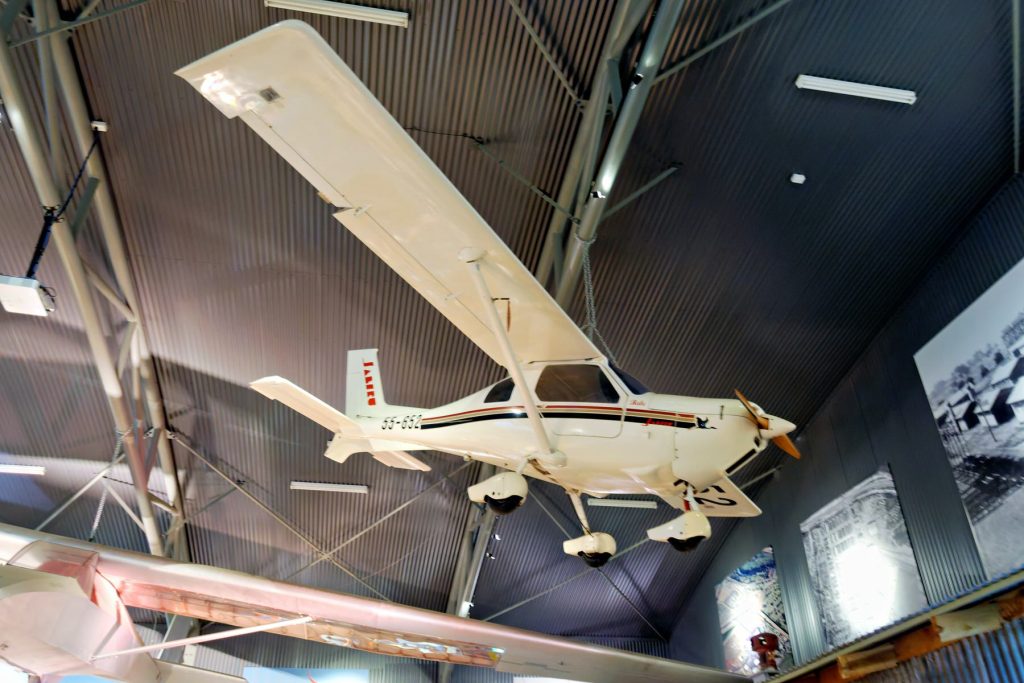


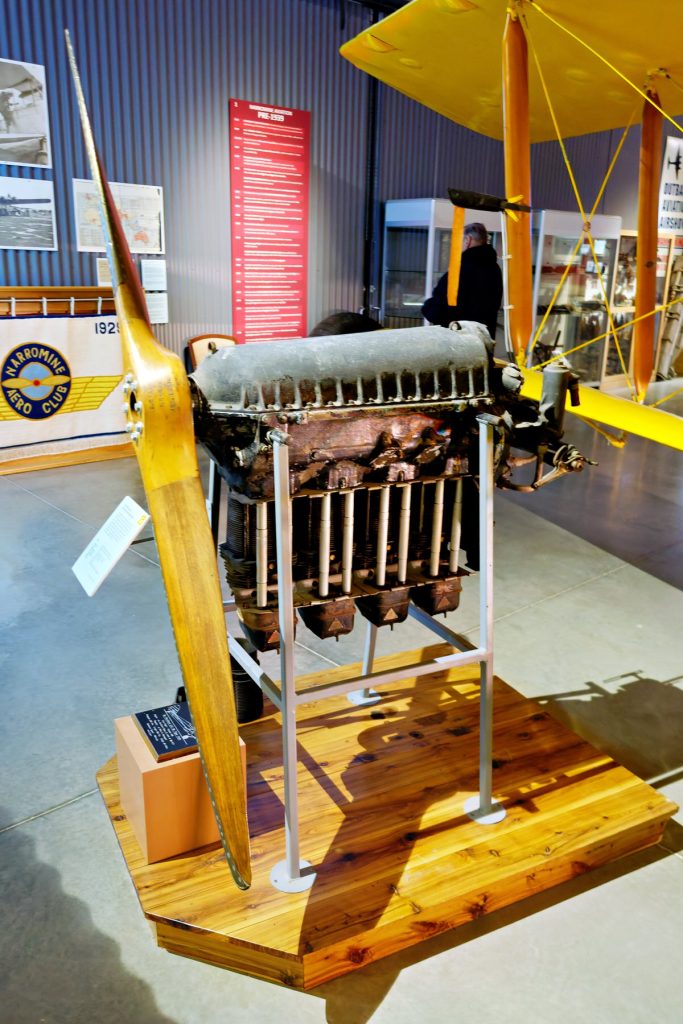


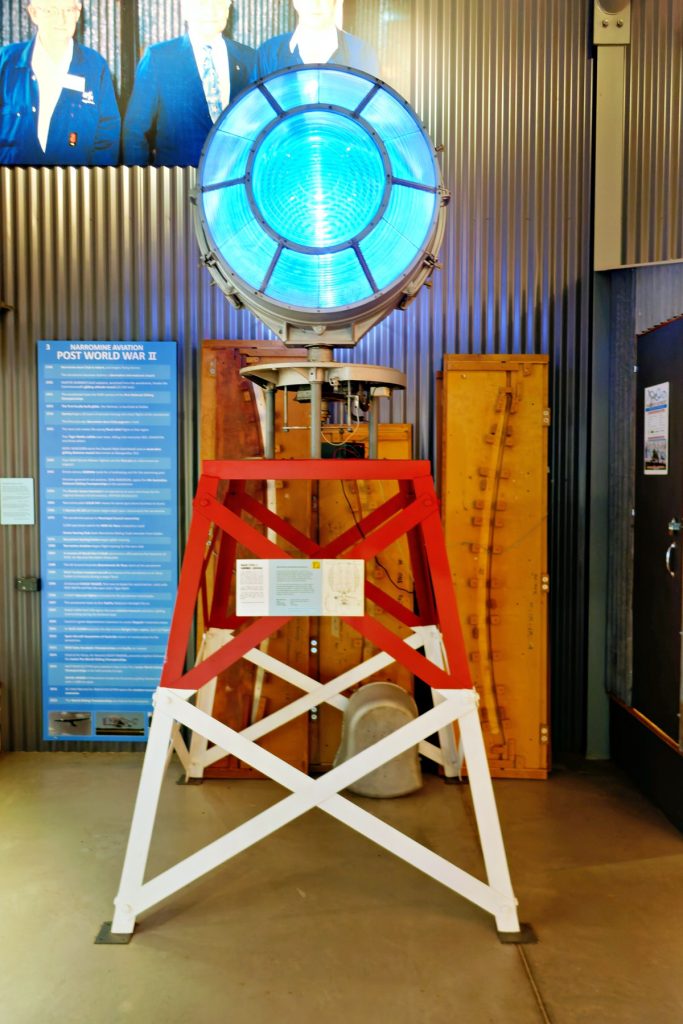

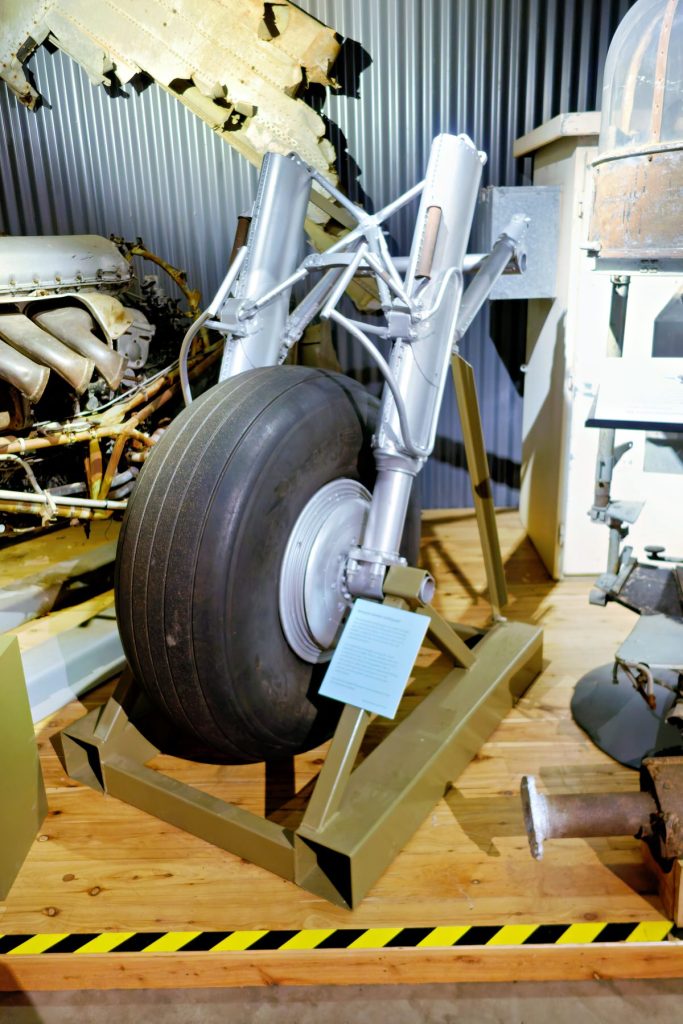
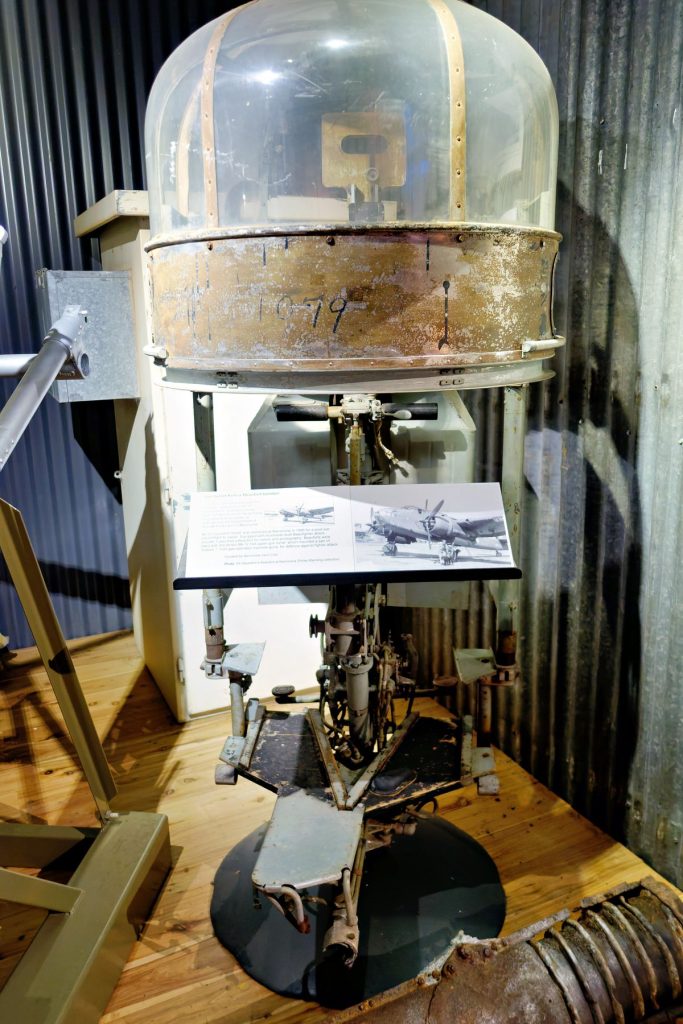


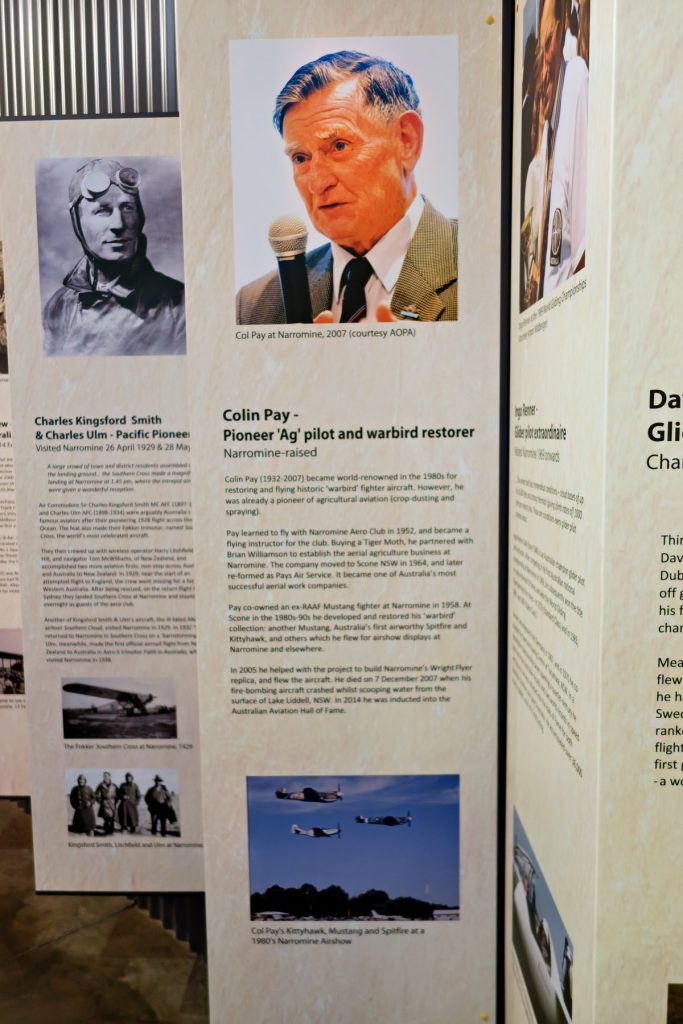


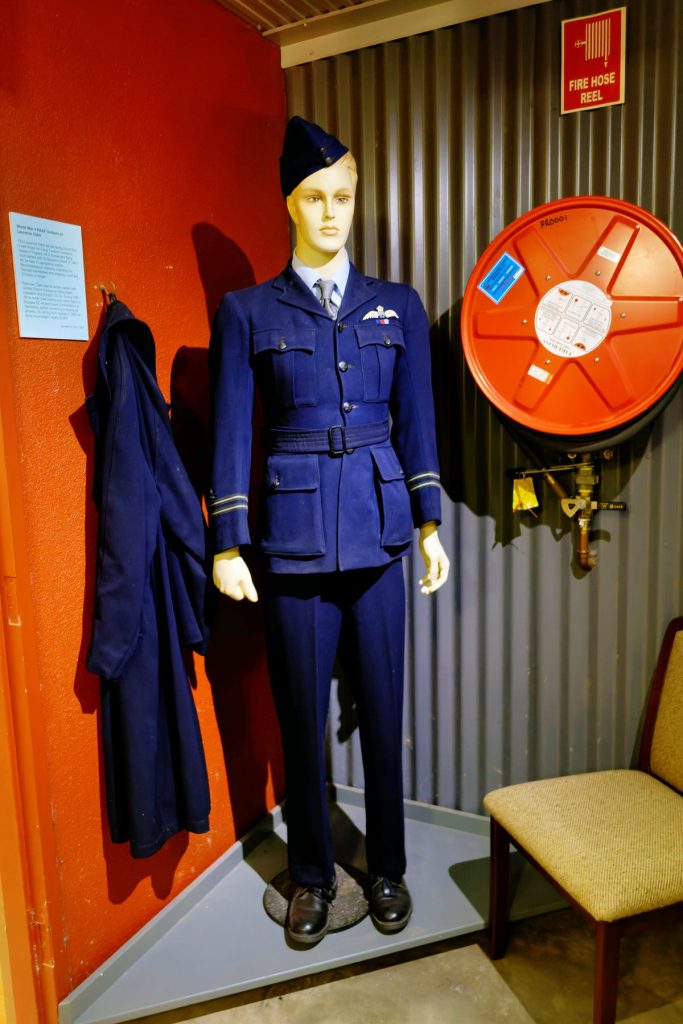

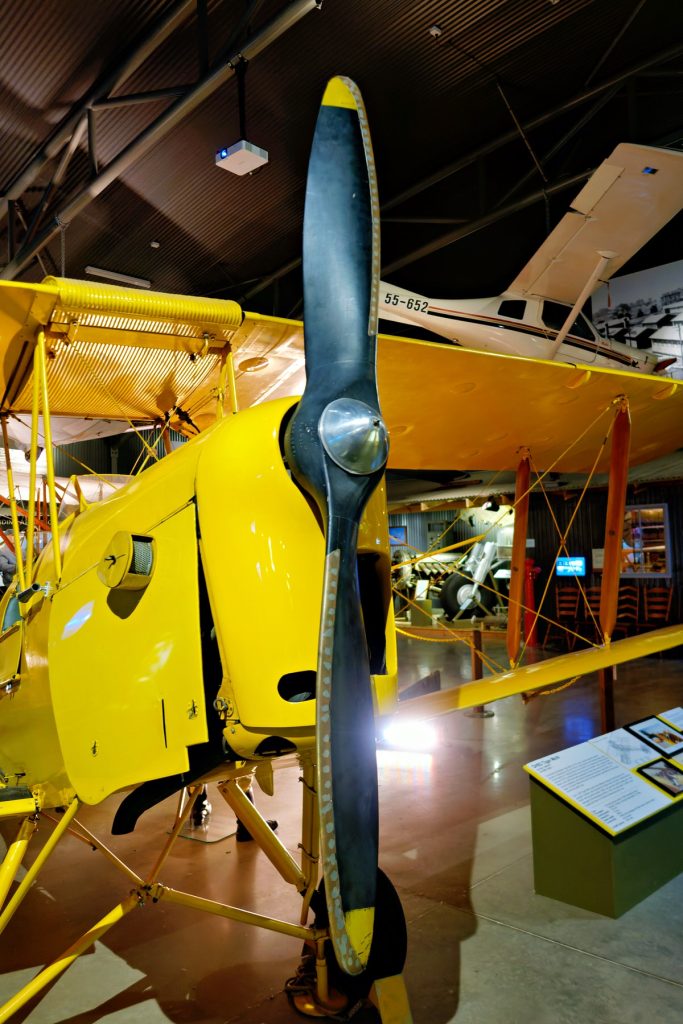
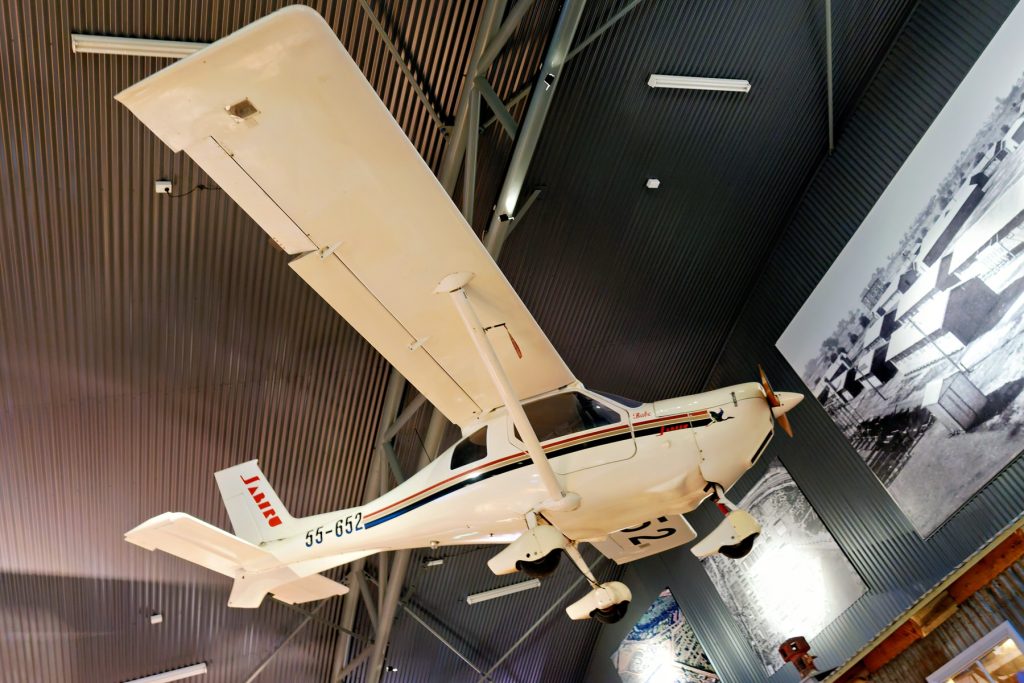
After towing the Vista RV Crossover to Dubbo, The Doc visited the Narromine Aviation Museum.

A few days ago The Doc and his friend Steve visited Waulinbakh Wildlife Sanctuary at Stroud New South Wales. Our guides for the day were AWC staff Elly and Josh.
Steve’s main objective was locating live myxos in the field. We had success locating 5 or 6 species. The Doc located the first myxos, but they were of poor quality, but later he spotted a large fallen tree which turned out to be a myxo gold mine. Steve’s find on the rotting tree included a myxo that had only ever been reported in NSW twice before (one of those sightings was by Steve). It was Steve and Josh who did all the heavy myxo lifting.
We met with three other AWC staff that day on site, one of the land managers Matt and two senior staff on visit to the sanctuary.
Steve and The Doc brought along morning tea and lunch, after an early visit to the Buladelah Bakery. Small thank you gifts to the AWC staff were also given.
We stayed at the Lady Jane Motel in Buladelah for two nights as part of the trip, run by a hard working family. They are in the process of renovating the motel. The room The Doc had was great, but the newly refurbished rooms were amazing. It was a great stay.
The myxos found are still being photographed by Steve. Steve has a self published a book of myxos here.
A big thank to Australian Wildlife Conservancy and the owners for allowing us to visit. Here are some images from the visit. The Sony P&S camera struggled in the low light conditions.


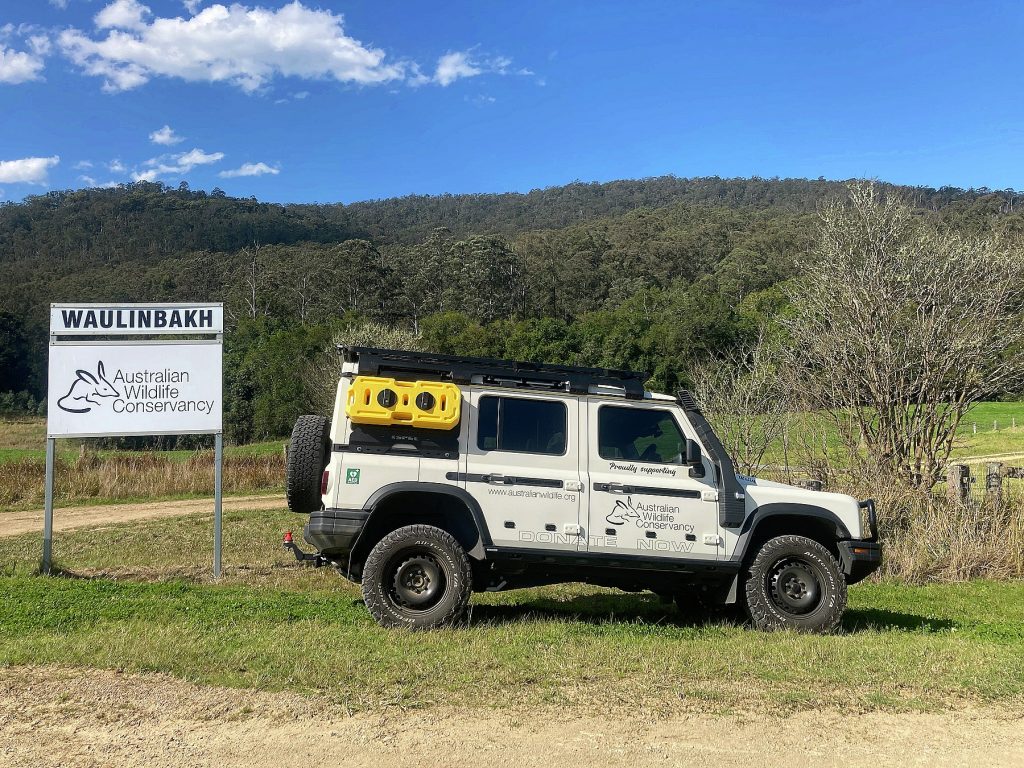
The Doc gets a guided tour of Waulinbakh Wildlife Sanctuary this week, provided the rain holds off. Mate Steve Young wil be looking for myxos in the field. Waulinbakh is privately owned but some conservation efforts are undertaken by AWC.
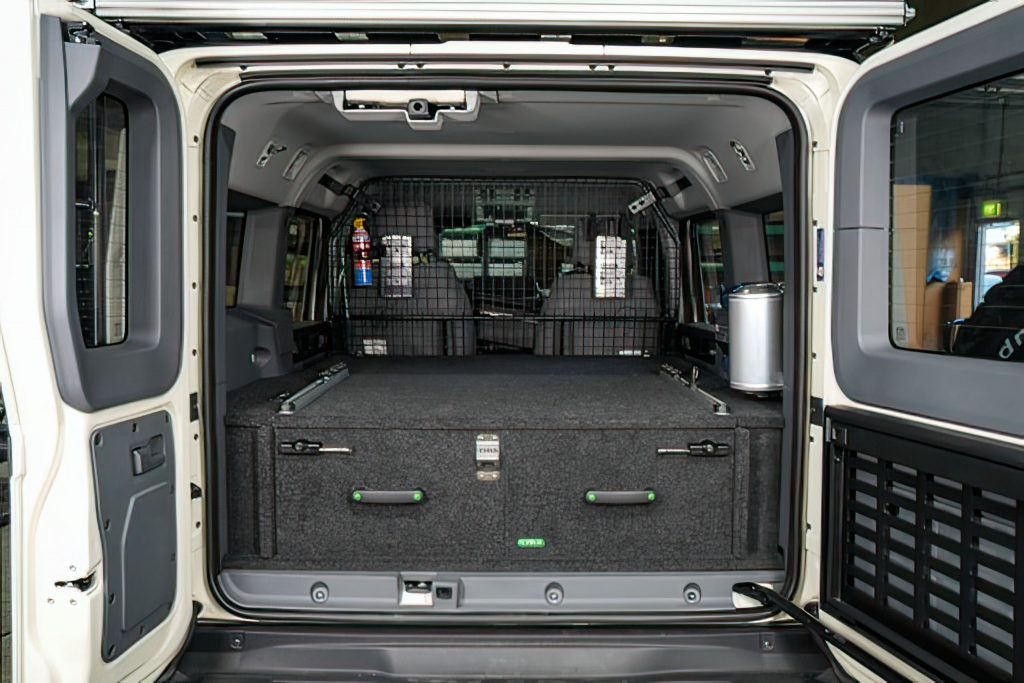
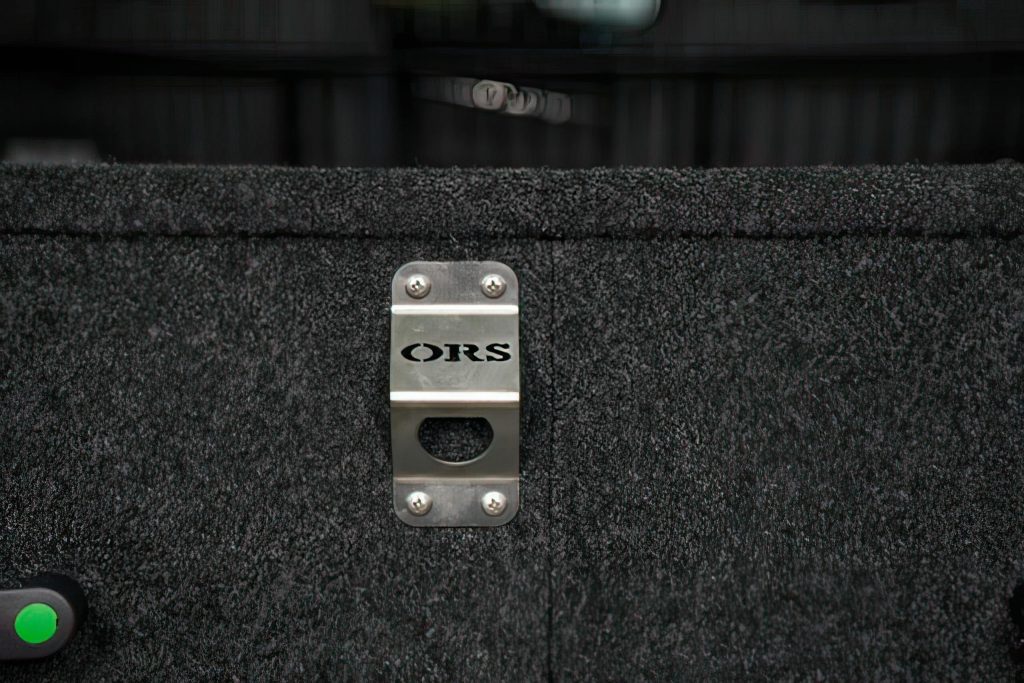
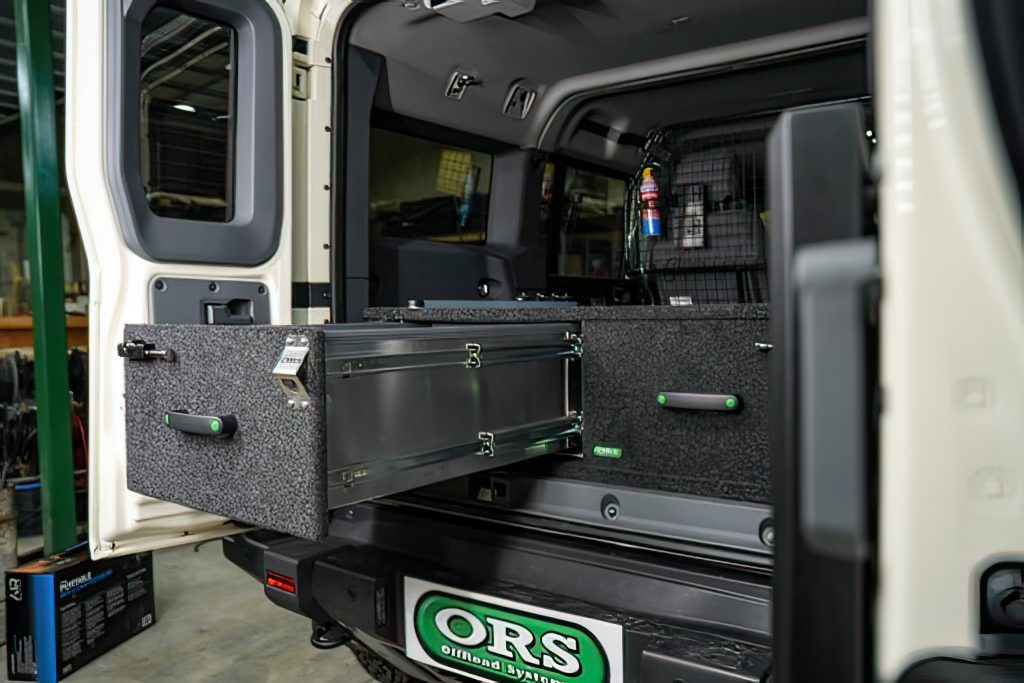
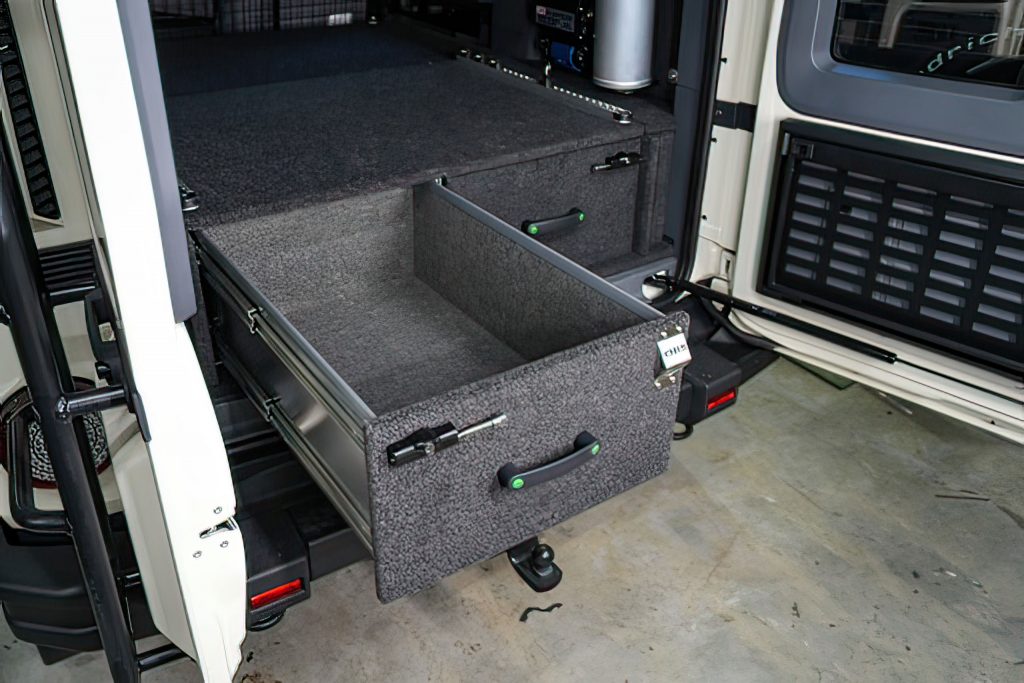
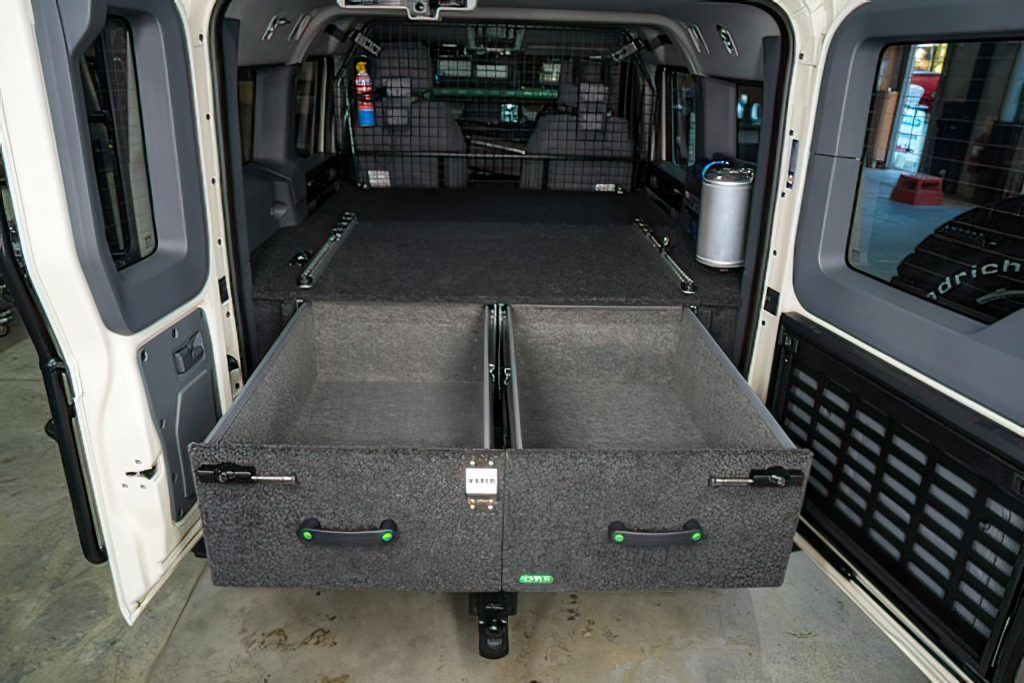
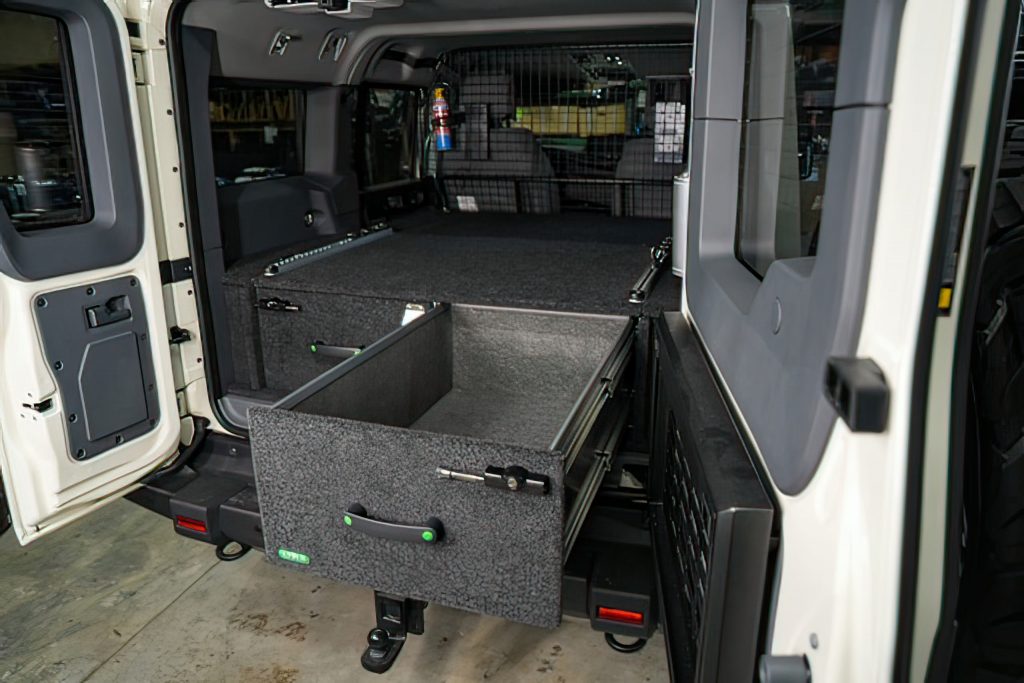
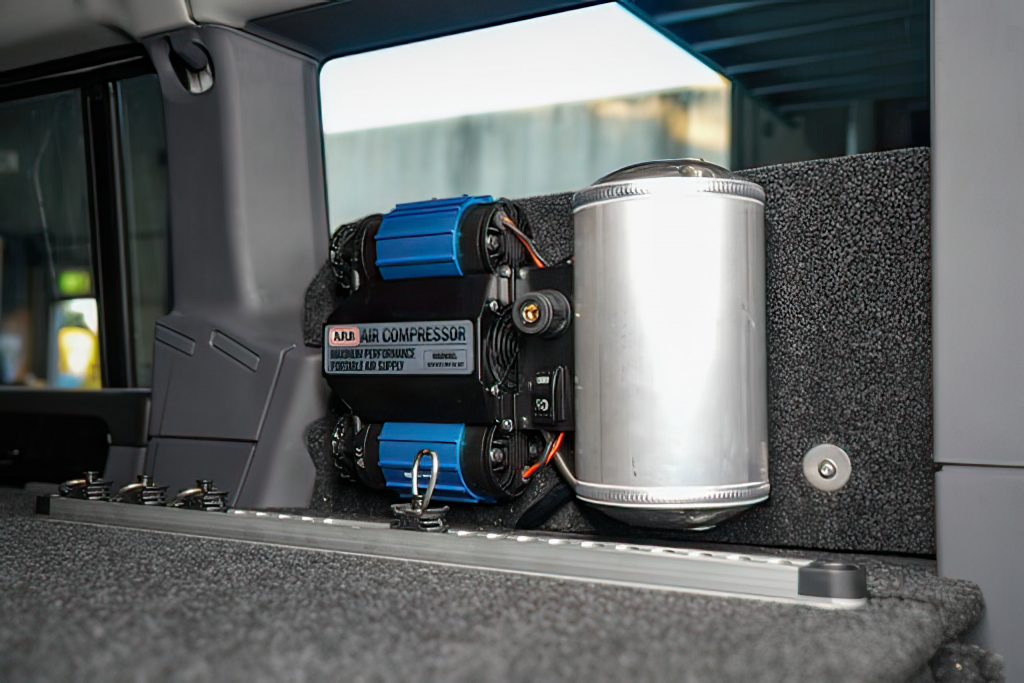
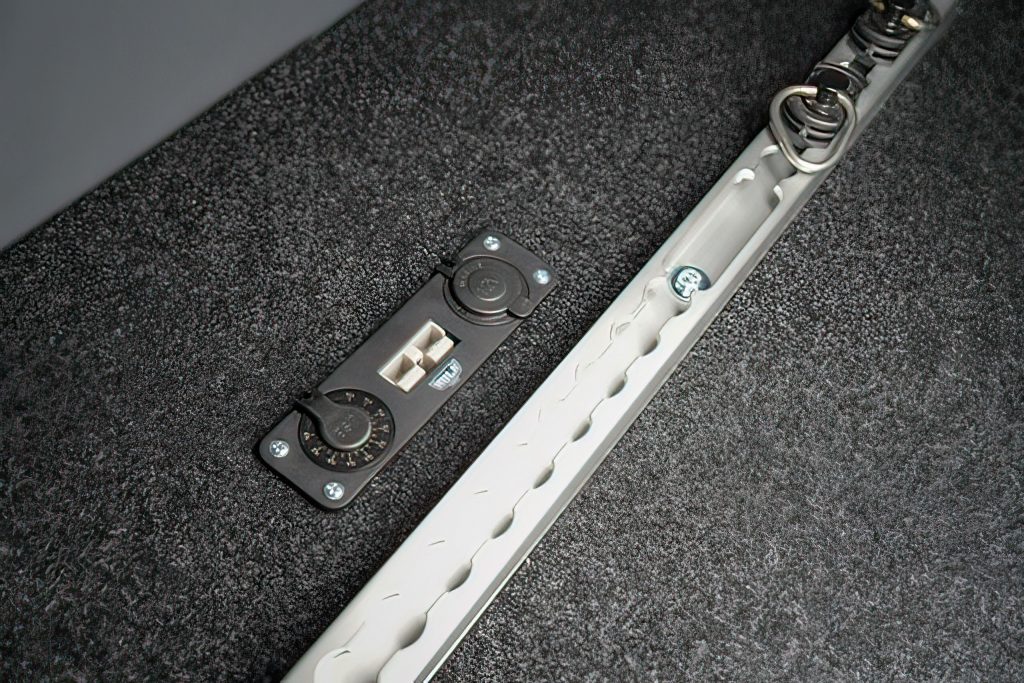
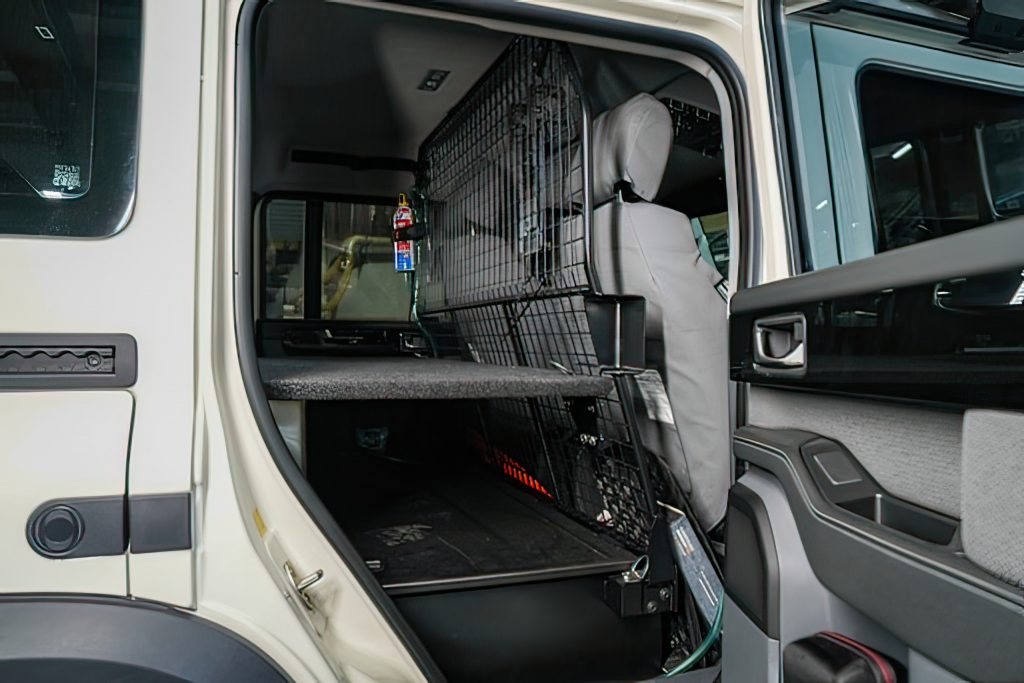
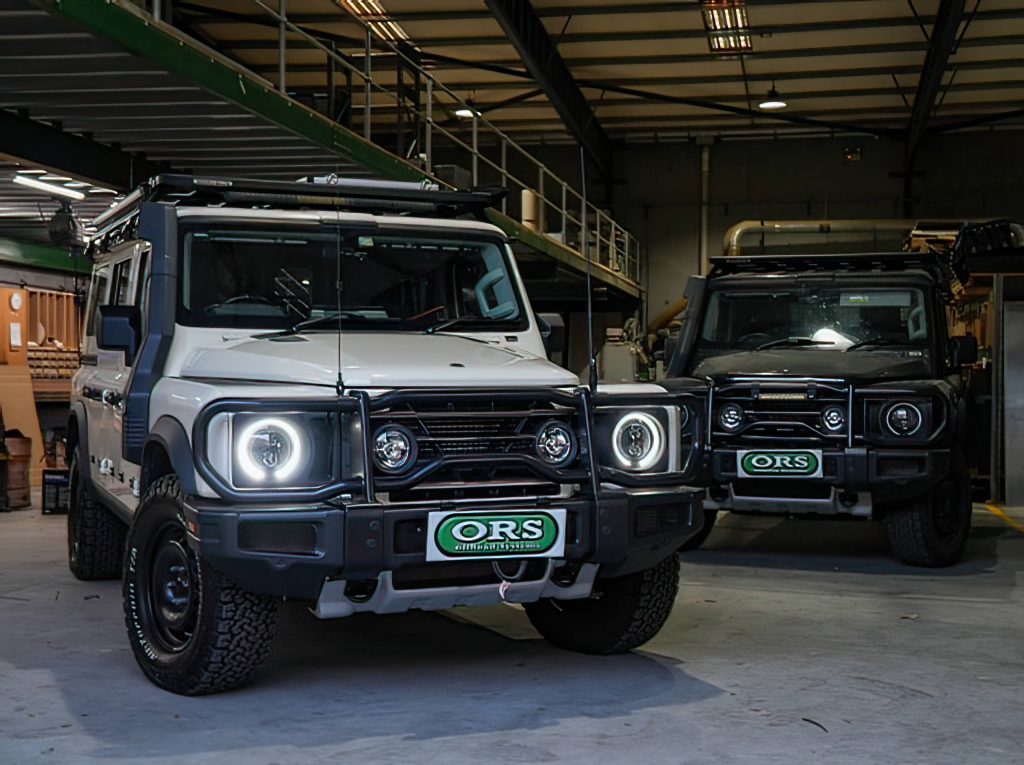
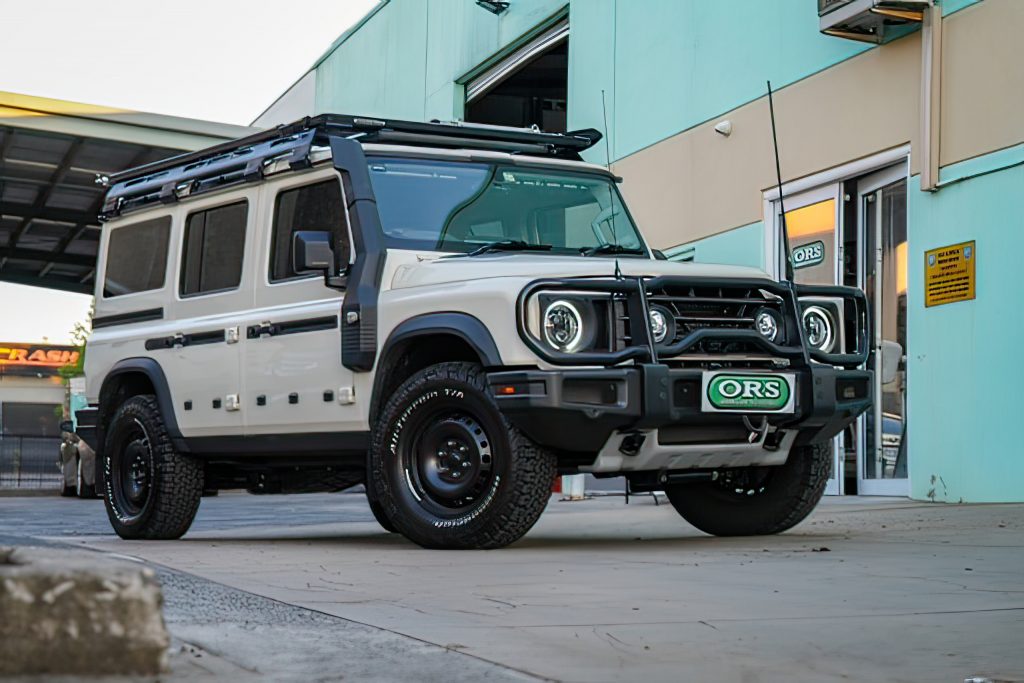
Images from the Offroad Systems fitout. Description of the fitout here.

Kangaroo Paw, known as Red Cross, taken at Sylvan Grove Native Gardens, Picnic Point. Slowly getting better, it is a long haul.


Another unusual flower from South West WA, the Swamp Bottlebrush or Beaufortia sparsa. Bright orange flower. Click on image to see the full size.


Another Grevillea cultivar commonly used in gardens, called Grevillea Goldfever.


You must be logged in to post a comment.