Category Archives: plains

AWC’s Mornington – Revisited – Part 2

The Point and Shoot images from the Supporters Event at AWC’s Mornington Sanctuary.

Broome to Mornington
Images flying into Mornington and around the main camp.

Sir John Gorge
Then off to Sir John Gorge for afternoon tea, overlooking the Fitzroy River. A stunning location.

A talk that night, from memory, about Mornington Sanctuary.

Rosie’s Pool
Breakfast at the basecamp and then a helicopter ride over the Sanctuary to Rosie’s Pool for morning tea. Back to Basecamp for lunch and a shower. I think we then had some free time to explore.

Bluff Breakfast
Then a Bluff Breakfast early the next morning, which has actually located on the adjoining Glenroy Station. Did The Doc mention we were flown up via helicopter?

Canoes
Later that day we went back to the Sir John Gorge and the Fitzroy River for canoeing.

Sunset dinner overlooking Fitzroy Bluff
At sunset we had dinner overlooking Fitzroy Bluff. What an amazing day!

Back to Broome
Finally, back to Broome via a Charter Flight over adjoining cattle stations and out across the mudflats and ocean.

Viva Cristo Rey.

Arkaroola Revisited – Part 1 – aerial


When Tony Stott and The Doc went on an adventure to the Flinders Ranges we visited Arkaroola Wilderness Sanctuary. One of the owners Doug Sprigg, loves to fly so we went on a flight over Lake Froome and the Flinders Ranges.

The Flinders Ranges is one of the most geologically unique places in the world. Geologists from all around the globe visit. There is an extraordinary variety of rocks twisted and bent by tectonic forces under the earth. For example, while driving in Brachina Gorge you drove over something like 700 million years of rock layers, that have been bent from the horizontal to the vertical.

One of The Doc’s favorite places to visit. Further south you have Wilpena Pound. Now back to the flight.

Tony had one camera (a Canon 5DII) and The Doc two (Canon 1DX and a Pentax 645Z), We sat on opposite sides of the plane to maximize our opportunities. When processing the images it became clear Tony often had the better side, as The Doc was often photographing into the sun. Together we got a nice mix of images.

Part 1 is below with the flight going out over Lake Froome. Lucky for us the Lake had some water still giving us extraordinary colours and textures. Lake Froome is apparently the whitest salt lake in the world and used by NASA to take various measurements.

Enjoy, Viva Cristo Rey.


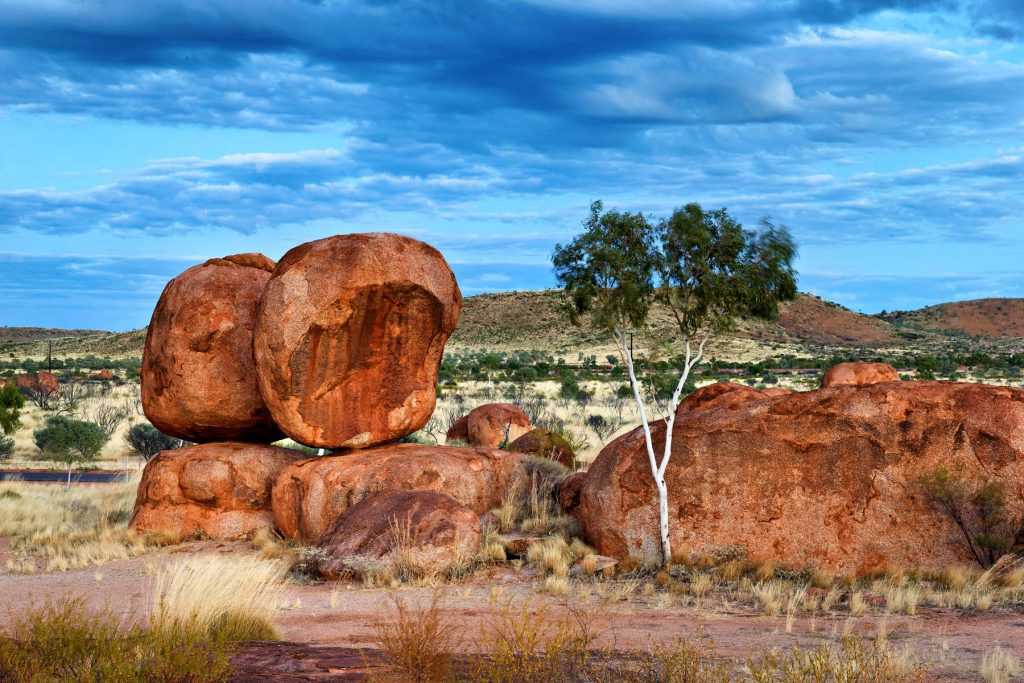
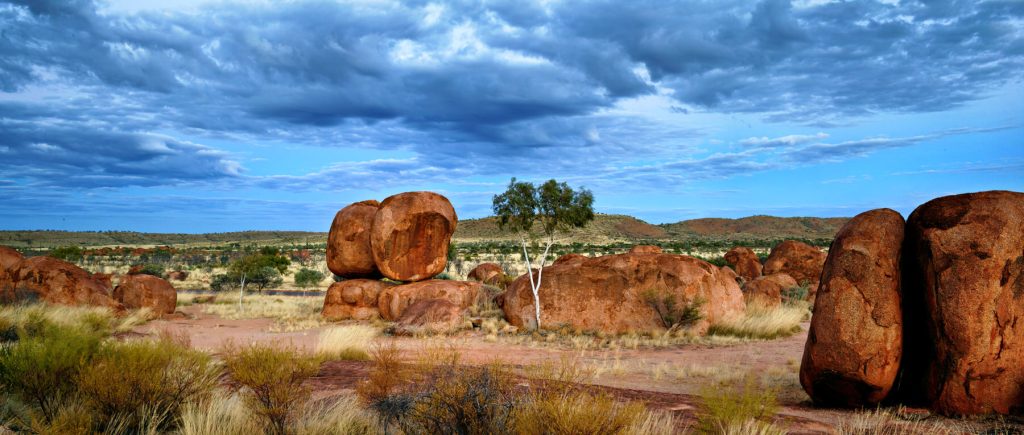
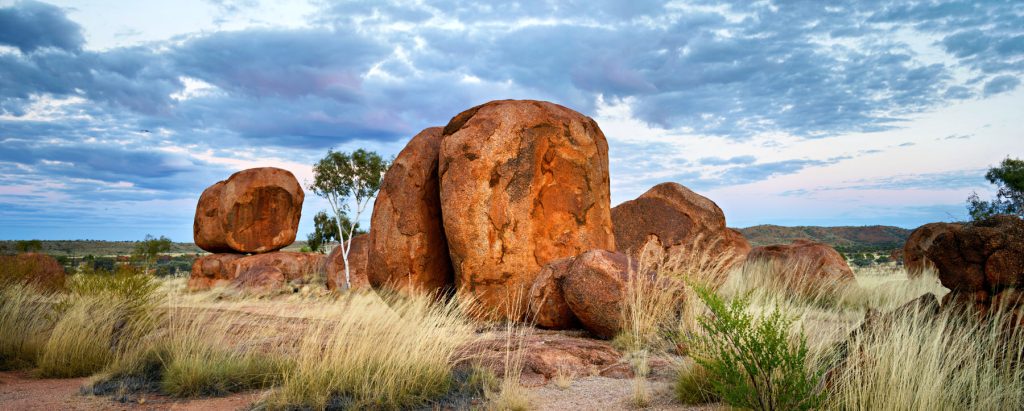
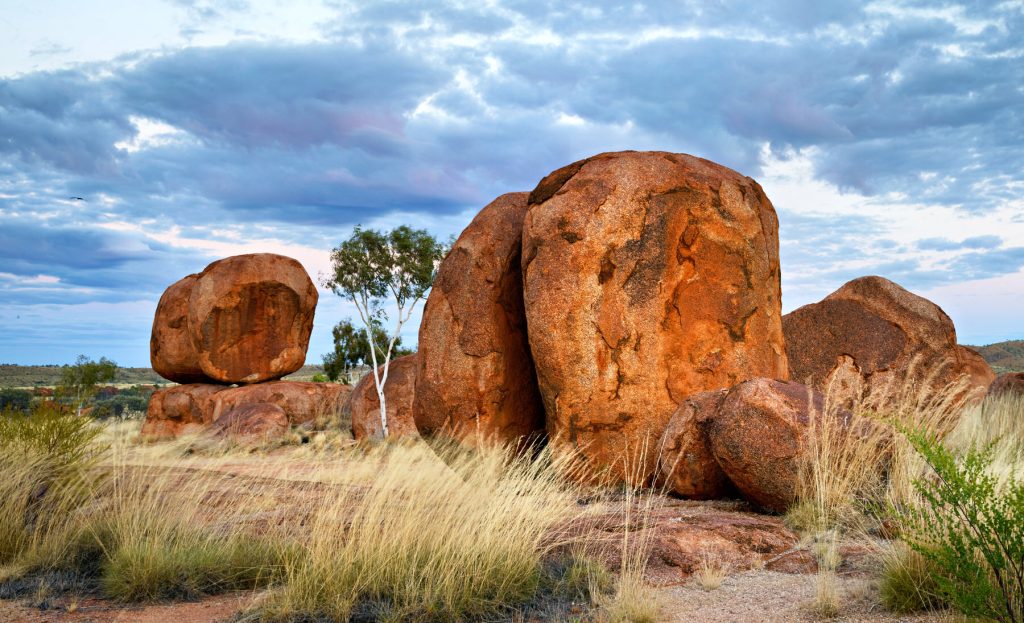
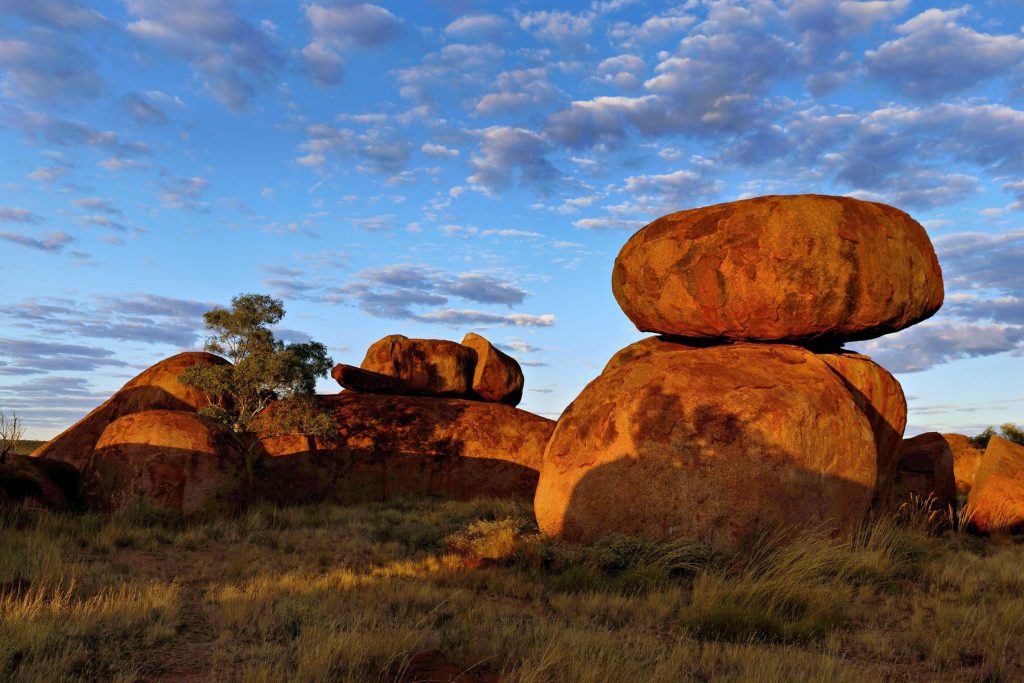
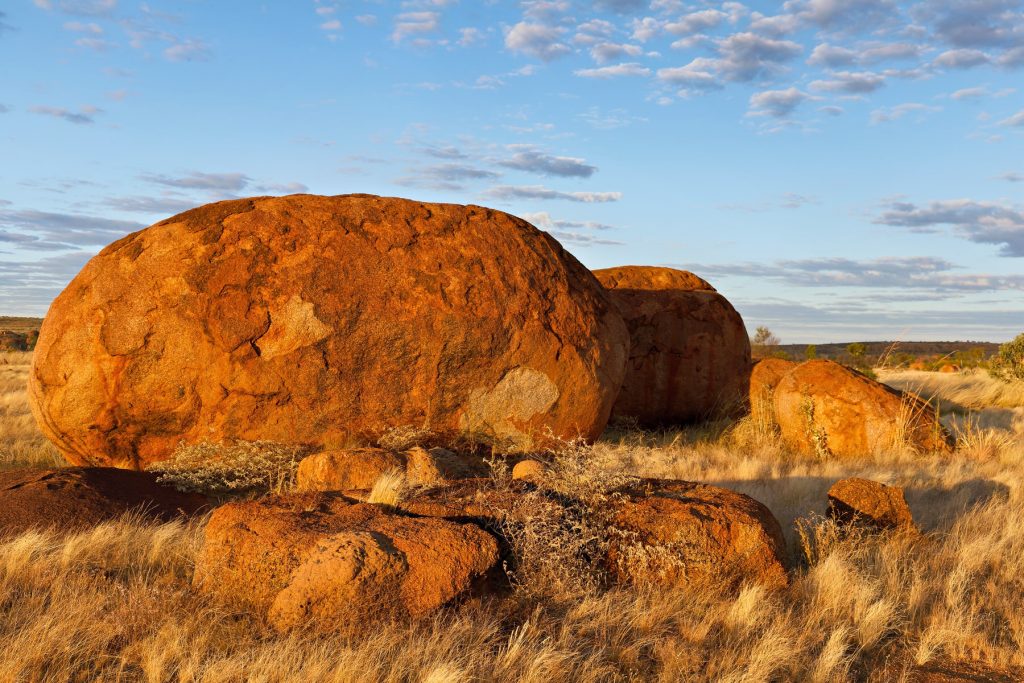
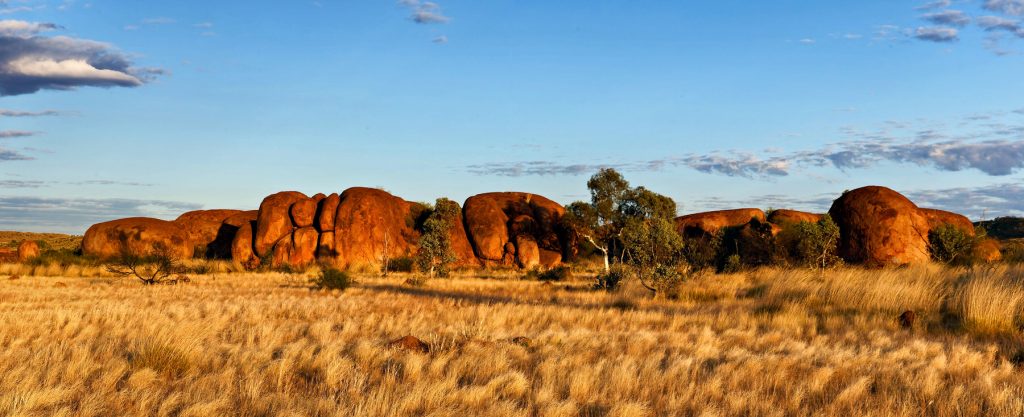
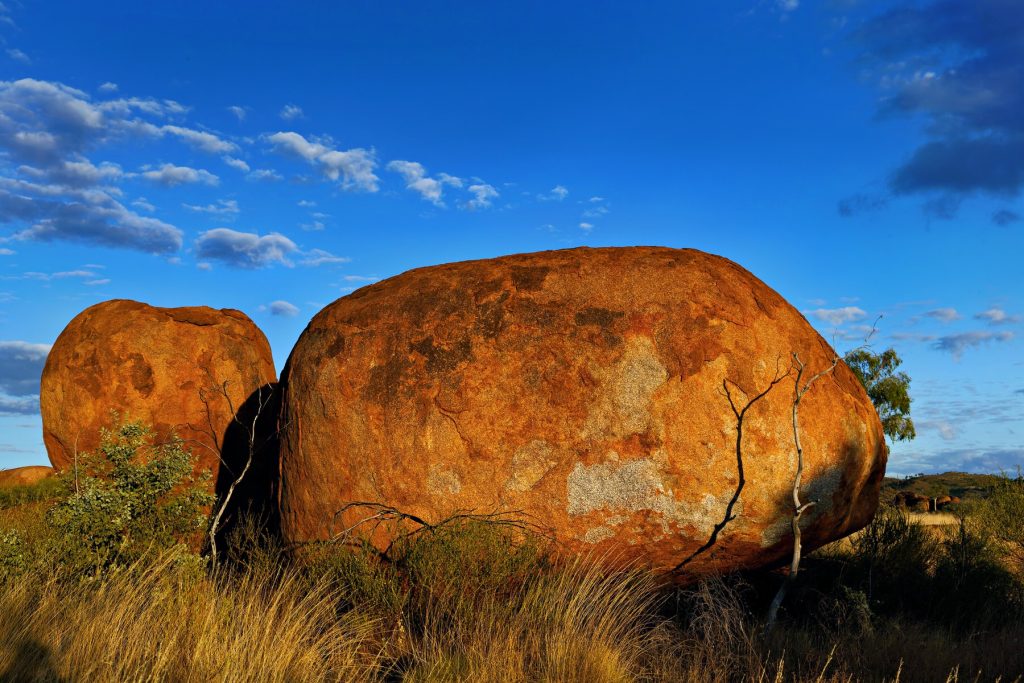
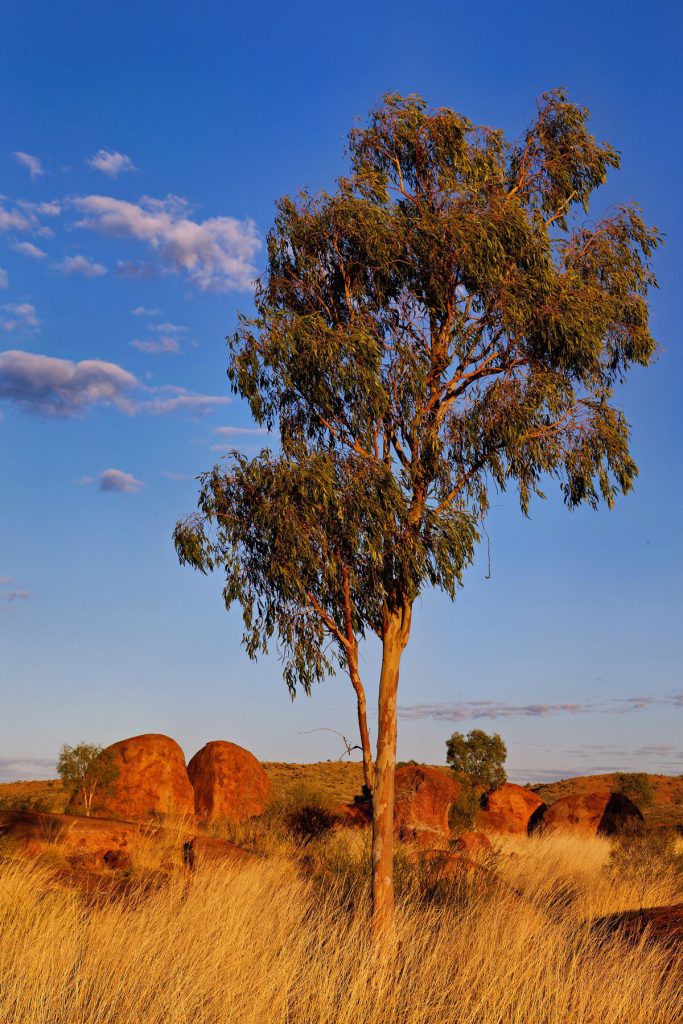
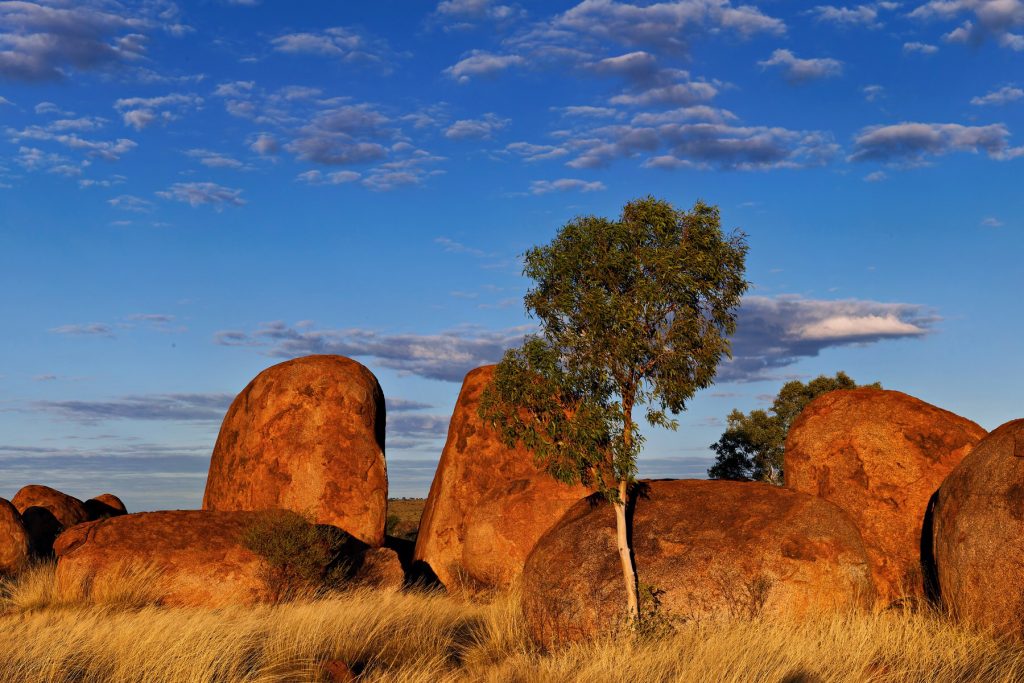
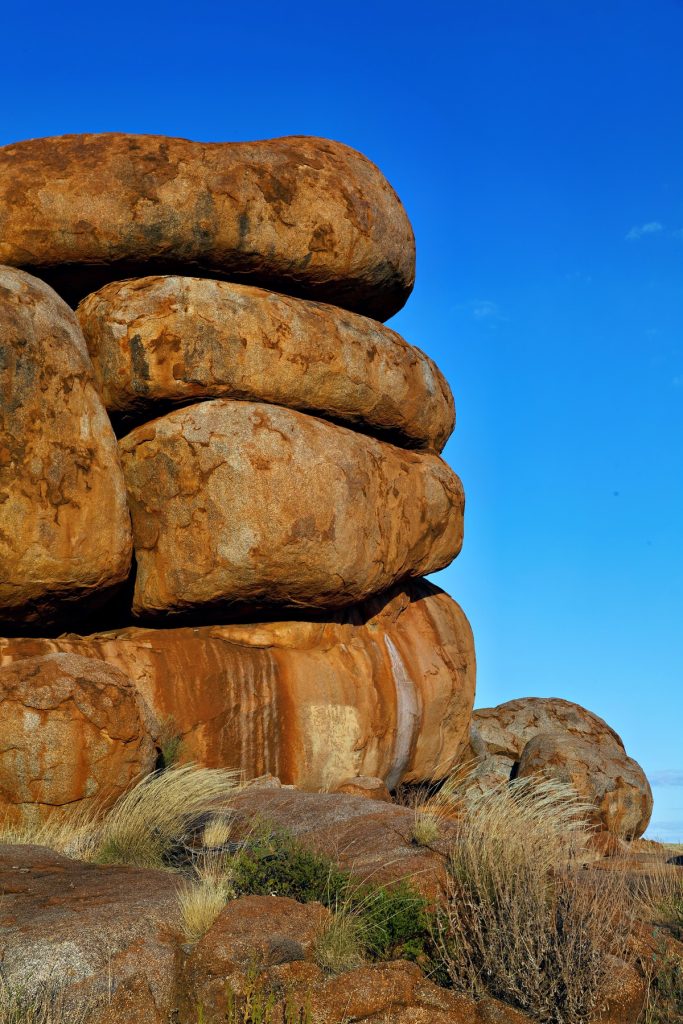
Devil’s Marbles revisited

The Doc reprocessed some images from his Northern Territory trip, since he cannot travel due to treatment. This time the Devils Marbles south of Tennant Creek. A few image this time. Click on any image to see the slideshow, enjoy.

Piccaninny Plains revisited

AWC Supporter events are about to start at Piccaninny Plains on Cape York. The Doc visited back in 2014, and did a flyover in 2015 on Day 4 of the Cape York helicopter trip. It is a fantastic place and very different to others parts of Australia he has visited.

The Doc needed a break from the ongoing rehab and reprocessed some of his old images, using his new post processing techniques. They turned out great.

Most of the images were taken on the helicopter. Enjoy. Click on the first image to see a full size slideshow.

Bullo River Gorge – lots of bull

The Doc is back in Darwin, sorting and culling images from the trip. He will spend a week here exploring, after a rest day.

If Bullo River Station sounds familiar it was made famous by Sarah Henderson’s book From Strength to Strength.

A superb all round experience. Amazing accommodation, great facilities, great food and support from both AWC Guides and Bullo River staff. The trip included bird watching, a morning river cruise, a guided helicopter trip, road trips around the Station and a last minute change in our arrival because of rain washing out the airstrip. We landed in Kununurra and were driven into Bullo River Station, down the Bullo River Access Road.

One place The Doc visited, on a helicopter trip around Bullo River Station, was Bullo River Gorge. More precisely, the part of the gorge known as Bull River Sands.

Earlier that morning, we had flown around the Bullo River and along the Victoria River to visit an AWC science team in the field, then we flew onto to Bullo River Gorge for breakfast.

The Bullo River starts and finishes on Bullo River Station, hence the Station’s name.

AWC runs the best supporter events, made even better when the Bull River Tourism team was involved.

A taste of what is coming. Enjoy.

Bullo River Sands, Bullo River Gorge, Bullo River Station

We were delivered in the bush taxi, a Robinson R44 helicopter landing in the gorge.

Bullo River Station: slight change of plans


There was rain overnight at Bullo River Station, so planes cannot land on the unsealed air strip. Guests are leaving earlier from Darwin and being taken to a nearby air strip – that would be a country “nearby”. Kununurra has the nearest sealed airstrip.

Then Guests have a 3 hour drive into Bullo River Station, which has the longest driveway in the Northern Territory. The driveway is the hard left off the Victoria Highway on the map below. All part of the adventure, for me. Plus The Doc knows how to drive into Bullo River Station in the Grenadier!

AWC just works around the challenges to get us there. Thank you AWC.

Dashing Dingo

The healthiest looking Dingo The Doc has seen in the bush, feeding off the rubbish dump at Innaminka in Outback South Australia. You can see rubbish in the background. Click on image to see full size.

The Bungle Bungles, Kimberley, WA

The Bungle Bungle Ranges in the Purnululu National Park (The Kimberley) has the most extensive beehive rock formations in the world. While well known to local Aboriginals and Cattle Station owners, it did not become known to the world until the early 1980s.

Within 5 years it was a National Park and within 20 years it was World Heritage listed.

The beehives are formed by wind driven sand and rainfall (plus millions of years of weathering).

The beehive domes consist of different layers of sandstone; some orange, some black. The black layers hold more moisture allowing cyanobacteria growth which cause the black colour. The orange-coloured layers are stained with iron and manganese mineral deposits within the sandstone (in lay terms – rust!).

Typically, you see the domes from ground level. The Doc took a helicopter flight over The Bungle Bungles. The images are split into two groups; first, the rock formations out of which the beehives are weathered. Here you see deep gorges, meandering rivers (floodways now) and steep gorge walls. Second the domes or beehives themselves, from the air. Make sure you click on the pictures to see the full size images.

The Doc has been posting fewer images lately, but the Bungles deserves more to appreciate its stunning beauty.