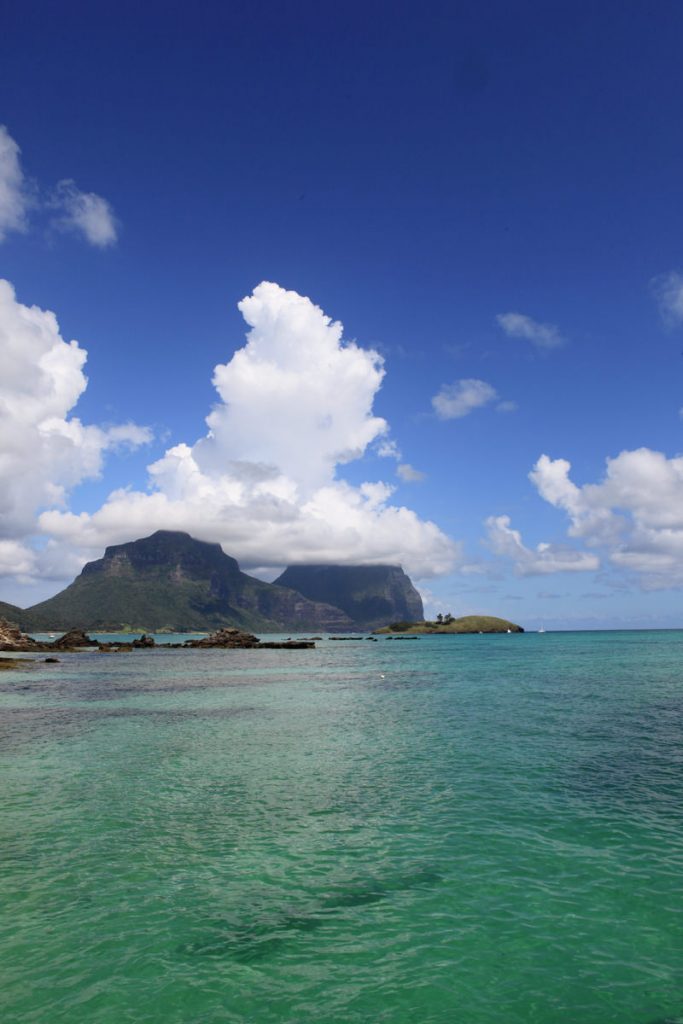
A few images from the boat trip from Lord Howe Island to Ball’s Pyramid.
Ball’s Pyramid is the largest single rock stack in the world. It is where the Lord Howe Island stick insect survived after being wiped out by rats on Lord Howe (only rediscovered in the the 1970s).
Creating the colour palettes for the barks, flowers and leaves has been an eye opener. Take Banksia blechnifolia, which The Doc thought was a fairly bland flower, at least as Banksias go. Here is the image:
At first glance it suggests a bland colour palette, until you analyse the palette. Here are the ten most dominant colours including Rose Gold, Big Dip O’Ruby and Turkish Rose:
Further analysis shows 178,775 total colours, comprising 179 core colours. And The Doc was thinking there was two main colours, white and rose-pink.
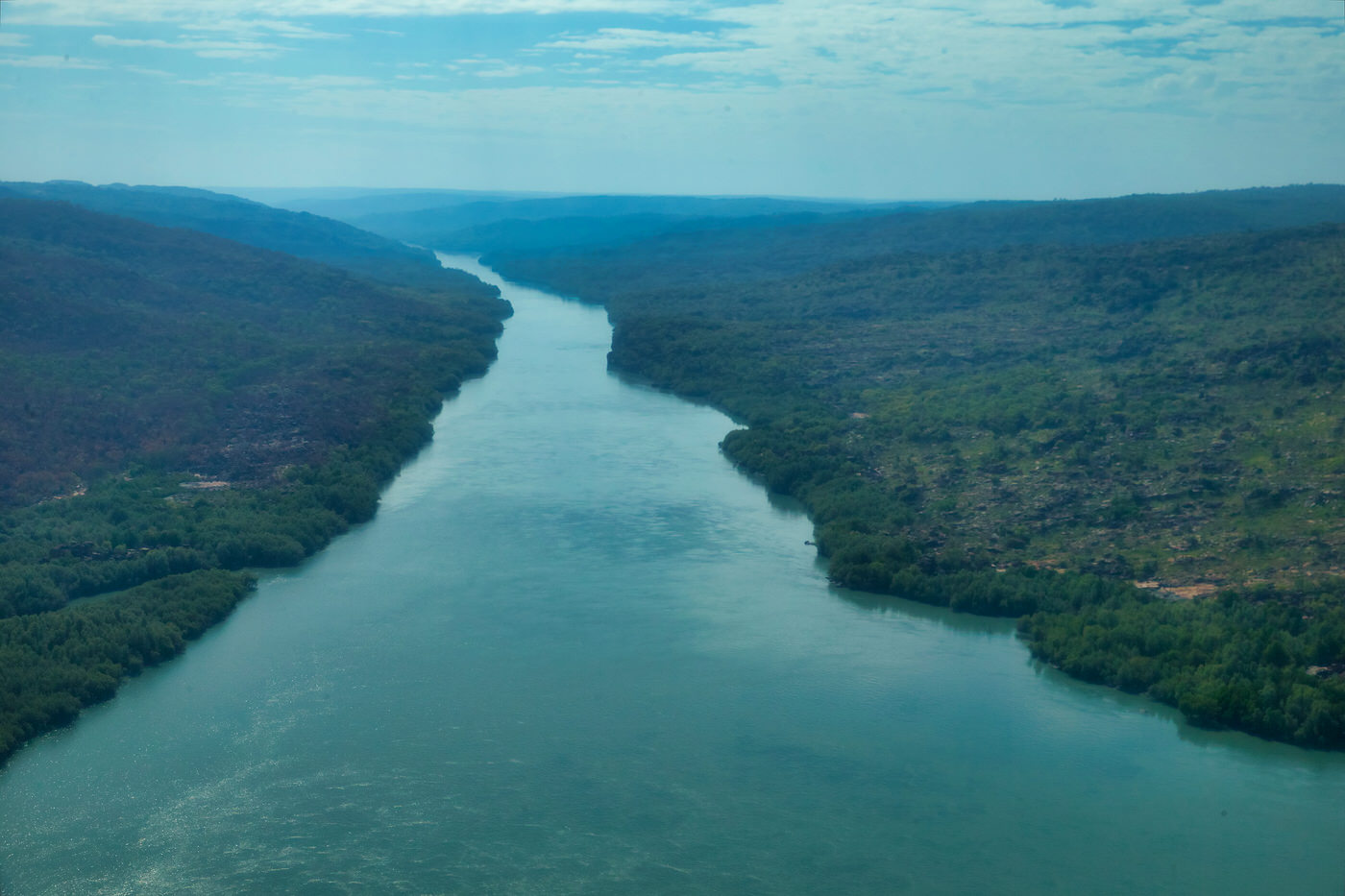
While staying at Drysdale River Station The Doc took a plane flight into the Northern Kimberly. Initially through Prince Regent National Park, then up to Mitchell Falls and back again.
Sorry about the funny colour cast and soft images, it was caused by the window on the plane. The best flight in that area without the high price tag of the helicopter flights at Mitchell Falls itself.
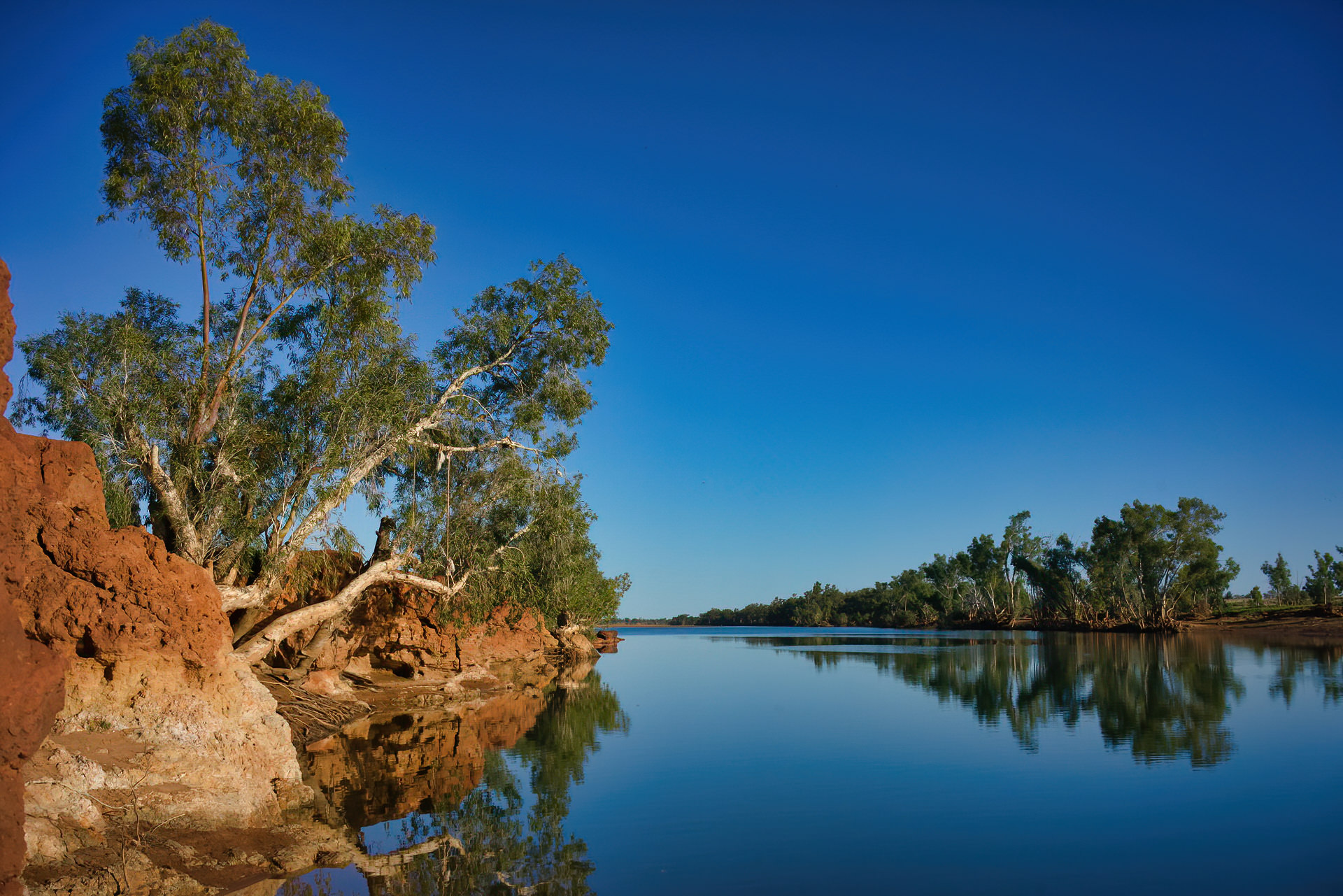
The Gascoyne Region in Western Australia was visited as part of the Kimberley/Pilbara trip in 2015. There are still many images The Doc has never posted, here are some more.
At the mouth of the Gascoyne River is the township of Carnarvon. NASA built a tracking station at Carnarvon to help with the Gemini and Apollo space missions. The tracking station is now gone but there is a major telecommunications hub still there. The Carnarvon tracking station was also used to track long range missiles from the RAAF Woomera Test Range launched from South Australia into the Indian Ocean over Carnarvon.
The Doc stayed in the Carnarvon caravan park for a week, touring around the region and having the Patrol serviced for the trip back across Australia.
The Doc drove a few hours up the river to the Kennedy Ranges National Park (and nearly came to grief crossing the Gascoyne River). The images are from this trip, plus a quick side trip to the Quobba blowholes near where HMAS Sydney was found off the coast. HMAS Sydney being sunk with all hands lost by a German raider, the Kormoran, disguised as a merchant ship.
Remember to click on the image to see the full size. Enjoy.
Some images of the brush turkey. Not the best looking Australian bird, but he was busy tearing up the garden mulch trying to get it to nearby bushland to make a mound.
Destroying the gardens at Smugglers on the Beach at Coffs Harbour, where I am staying for a few days.







You must be logged in to post a comment.