Category Archives: plains

Tony Stott – Part 6: Tony’s Outback Adventure

In 2014 Tony and I travelled around outback NSW, Queensland and South Australia. Places like the Warrumbungles, Broken Hill, Marree, the ochre pits at Lyndhurst, ruins at Farina, Arkaroola Wildness Sanctuary, Innamincka, Brachina Gorge in the Flinders Ranges, Epsilon in outback Queensland, Cameron’s Corner, Tibooburra, Menindee Lakes and lots of others.

Characters like Talc Alf, roadtrains and huge coal carrying locomotives, the odd emu and even some water in this parched part of Australia.

Tony had a long chat with Talc Alf and enjoyed his stories (Alf was also the Outback postmen, talc carver, talc miner and general dogs’ body!).

Here is a map of the trip. The kink over Lake Frome near Arkaroola in SA was a plane flight we both took around Arkaroola. Doug Sprigg was the pilot and he thanked us all for financing his hobby (flying) when we returned. Lake Frome is the whitest salt lake in the world and is used by NASA to make various measurements.

Tony often spoke about the trip. He had photos on his phone he would show to nurses on his many trips to hospital. Tony is in five images below and I have written a little story around each one.

Coffee at the Innamincka Pub in SA

We had a shower at the public shower block – after being so remote for a few days a shower felt amazing.

Tony is drinking coffee before lunch. Then on to juicy steak sandwiches, chips and salad in the dining area. Then cake and ice cream for desert. The food was superb. The Innamincka Pub at the time was owned by the same people who owned the Birdsville Pub, Innamincka had better food IMO.

Tony also retained fond memories of the Innamincka Pub. We talked about it for years after.

Canonba near Nyngan Outback NSW

Tony sitting beside the car near his tent around 6.30am. My bed is in the Patrol.

We had refuelled and resupplied at Nygnan the previous afternoon and drove out to the free camping ground at Canonba. It was on the Canonba Road about 10kms out of the Nygnan township. Close by us in the camping ground was a wandering drover with his dogs (hidden by the Patrol).

Canonba was once an important Outback town when it was a supply depot for Cobb & Co coaches. Once the railway went through Nygnan, Canonba disappeared.

Middle of nowhere

Tony with the trailer gate down boiling the billy for tea. We had camped overnight in the middle of nowhere. The driver was tied. We camped beside the Wool Track between Ivanhoe and Cobar, NSW. It was an access road to the surrounding stations and not a single car drove past the whole time we were there.

Coally Station, Far North West NSW

Tony is leaning on the passenger’s seat setting up his camera. This was at a small ephemeral wetland off the Silver City Highway near Coally Station Homestead.

Earlier we had driven through Cameron’s Corner (fancy hamburgers for lunch that time, yum), then through Stuart National Park in the far north eastern corner of NSW.

Epsilon Station, Outback Qld

The image with Tony standing at the car door looking forward was near Epsilon Station in remote Outback Queensland. We were travelling out of the area on private roads used to service the Moomba Gas Field oil wells. Earlier we saw the white camel also pictured.

The road is called the Nappa Merrie-Santos Road. We were on the Santos end, Nappa Merrie Station (Ranch for any American readers) being at the other end. In remote Australia it is common to name roads after the destinations at each end, it sure helps you know where you are going.

How do I remember these details? First, I add keyword to my images. Second, I keep a travel diary to help indexing. Last, I add GPS co-ordinates to the images. Here I mainly used the GPS co-ordinates and memory.

Due to some medical issues with Tony (bruising mostly) the trip lasted only two weeks instead of the planned three weeks. Due to Tony’s limited mobility I was visiting places where I could drive Tony close to the scenery or eating place. It worked out well. I still remember those delicious BLTs (bacon, lettuce and tomato sandwiches) at the Blenheim Pub, Flinders Ranges. SA.

Click on the first image and a slideshow will appear. Take five minutes to look through the images.

Happy Easter everyone. He is risen!

Darwin, Arnhem Land and Mighty Kakadu

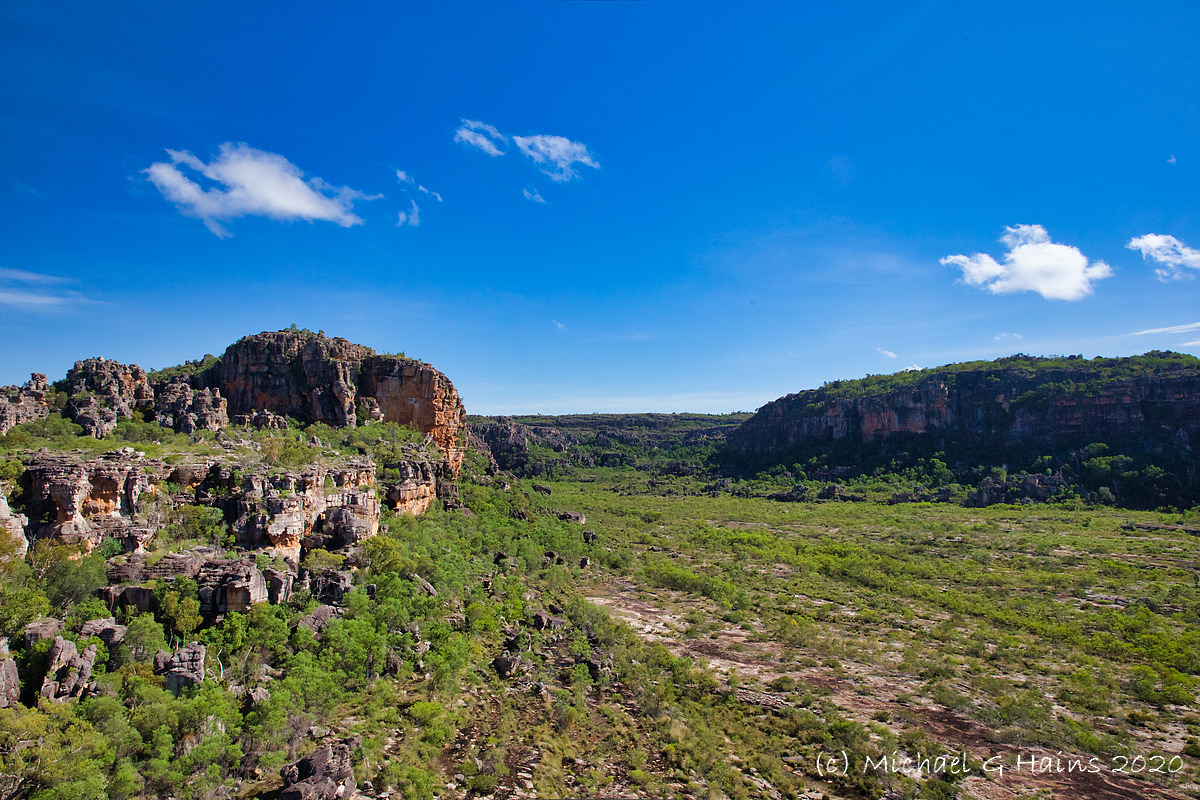
The Doc recently visited Darwin, Arnhem Land and Kakadu on a four day helicopter tour, with a few days each side in Darwin.

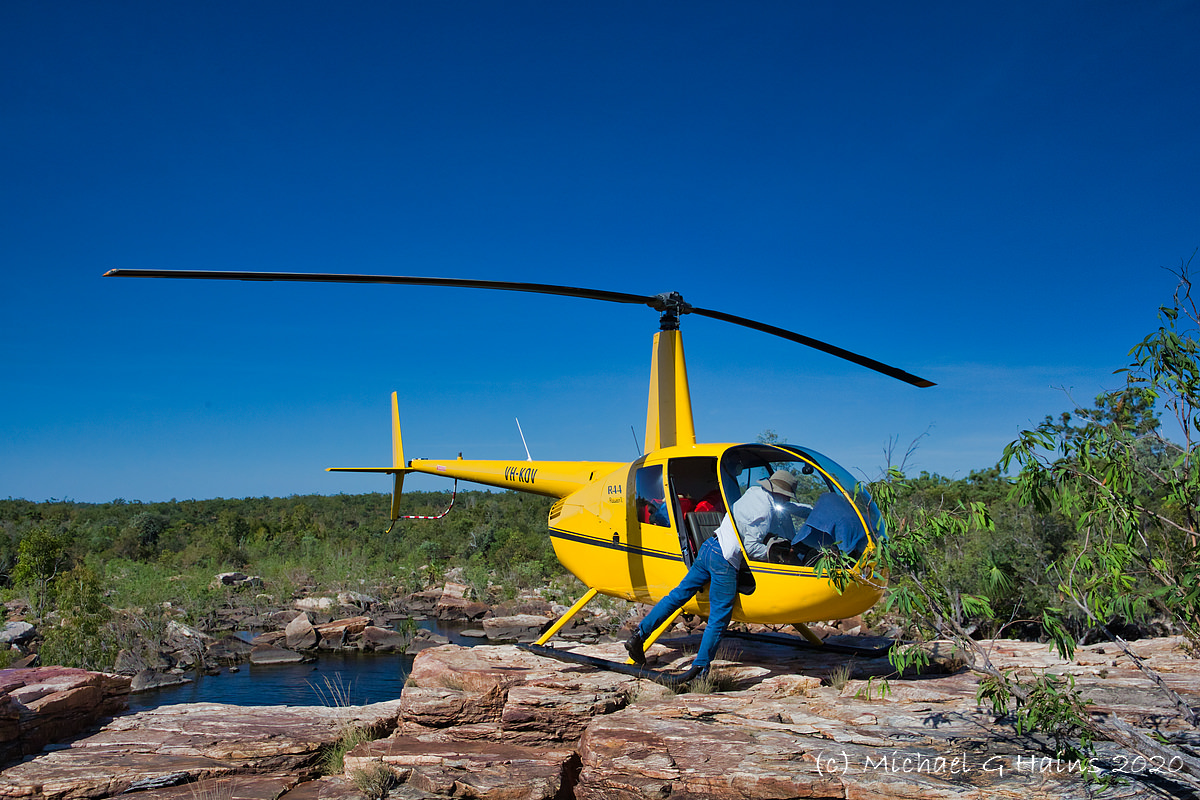
The flight was based out of Darwin and Jabiru (the township near the Ranger Uranium Mine), with some landings to refuel from jerry cans in remote parts of Arnhem Land. So The Doc got some ground shots.

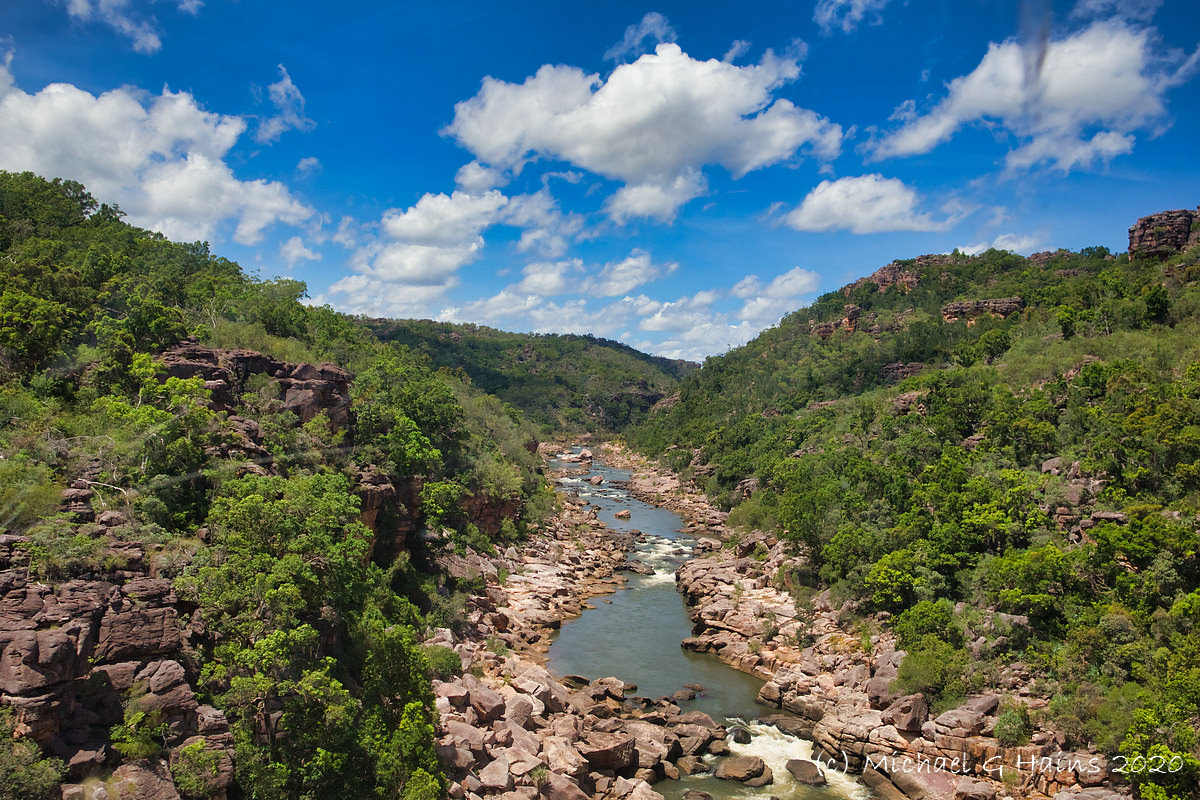
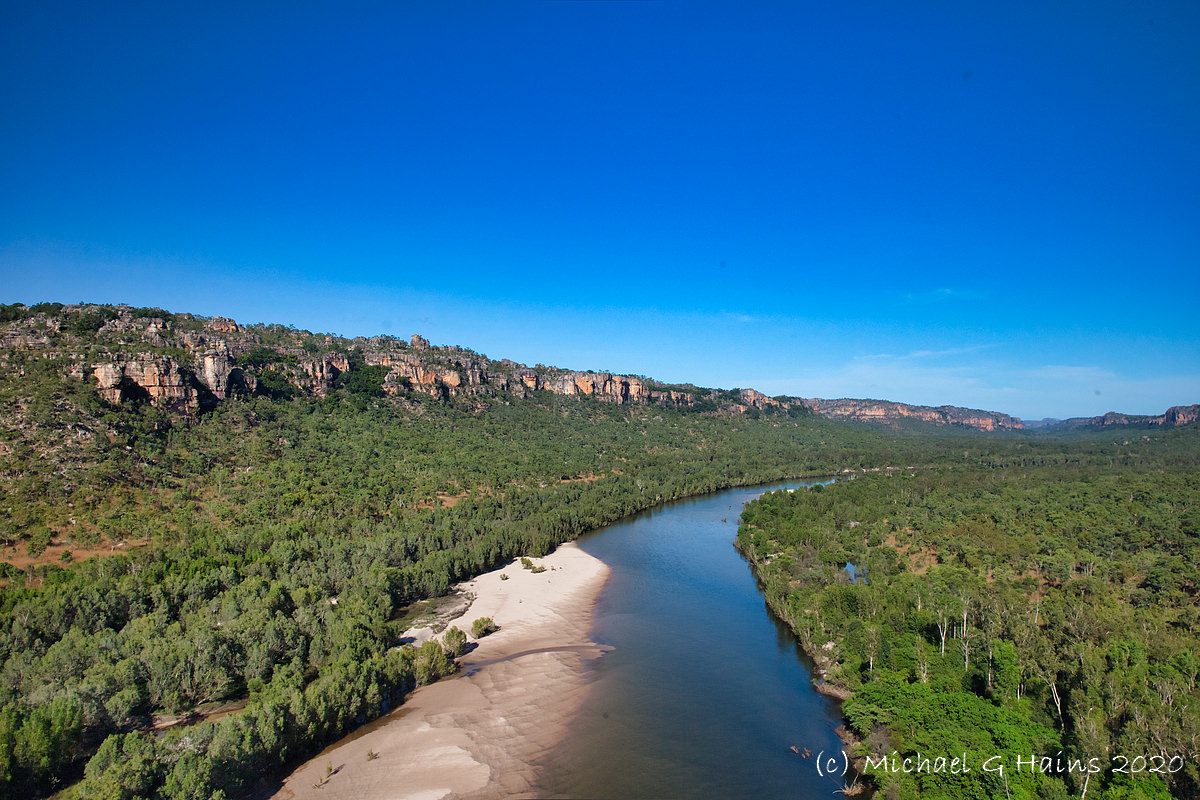
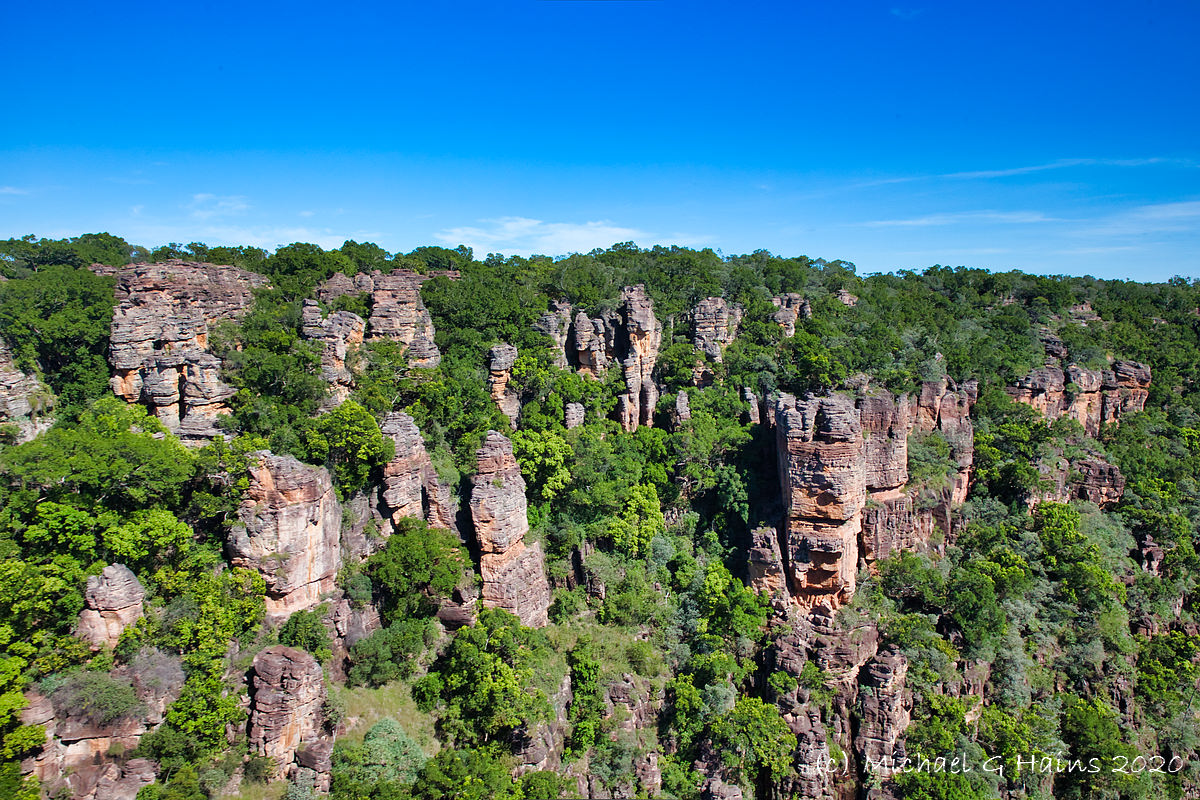
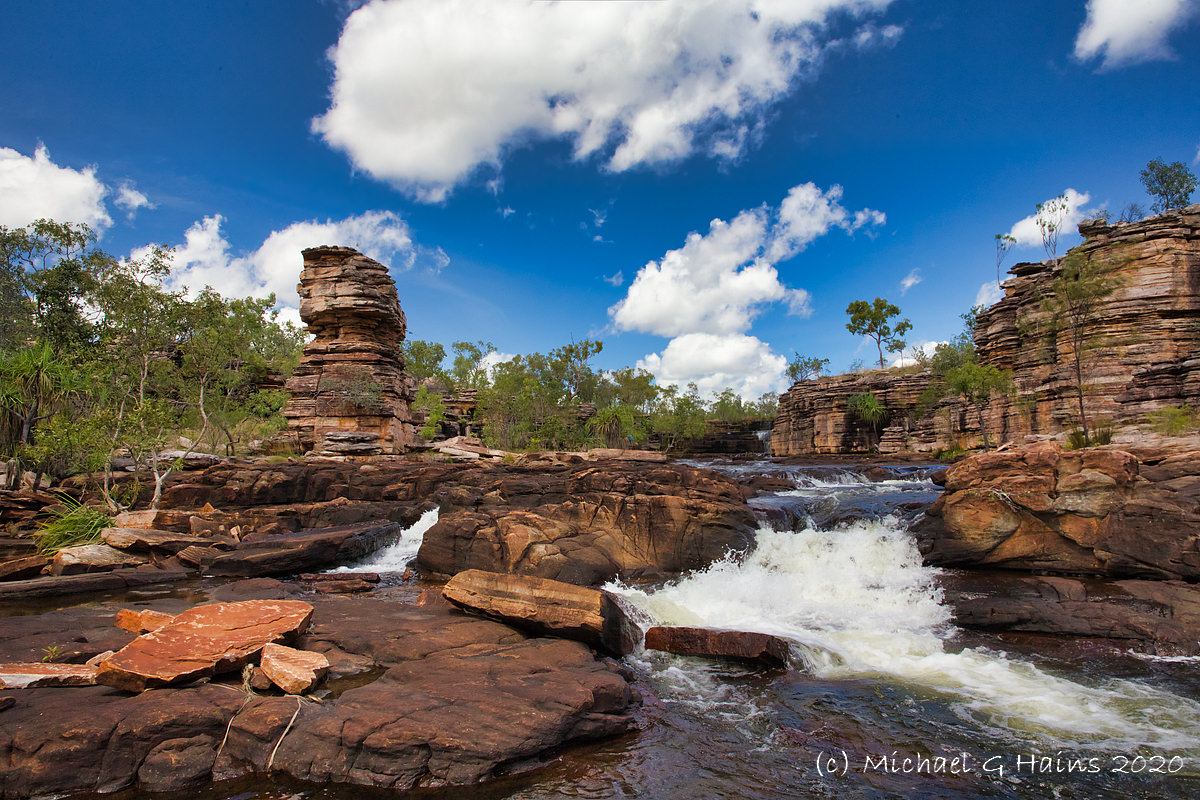
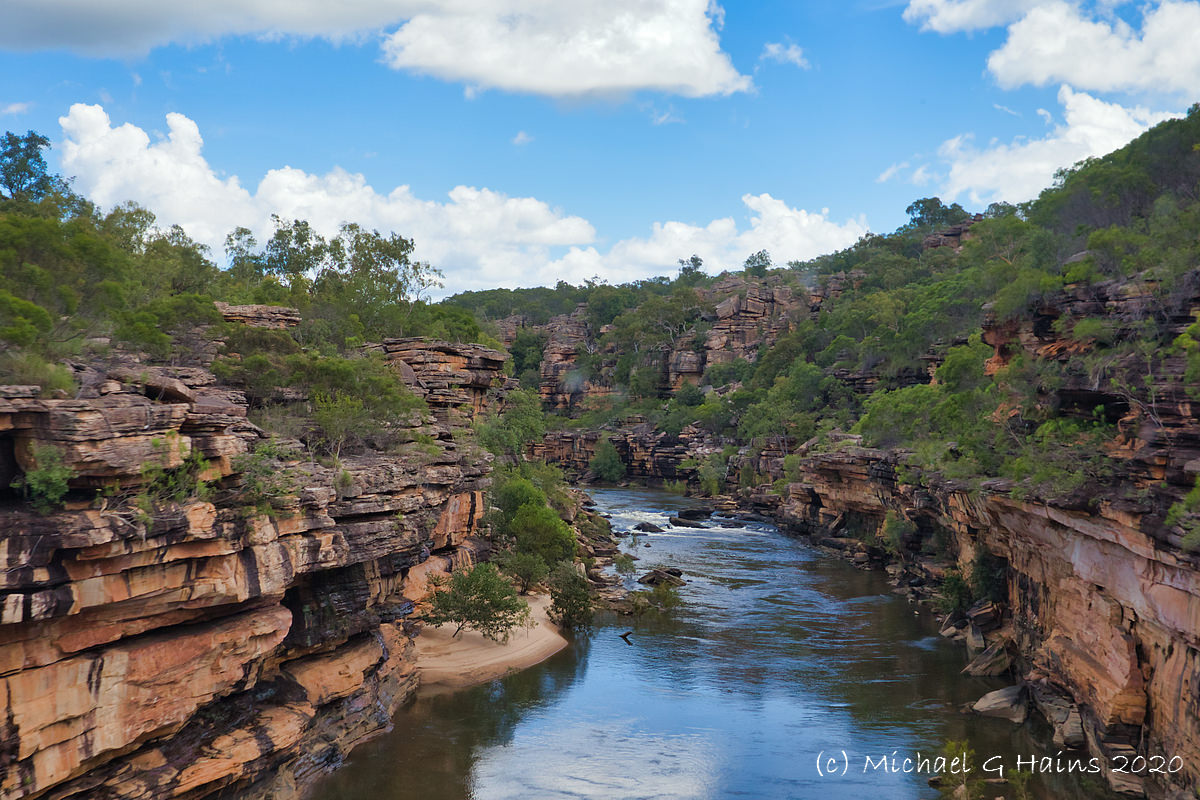
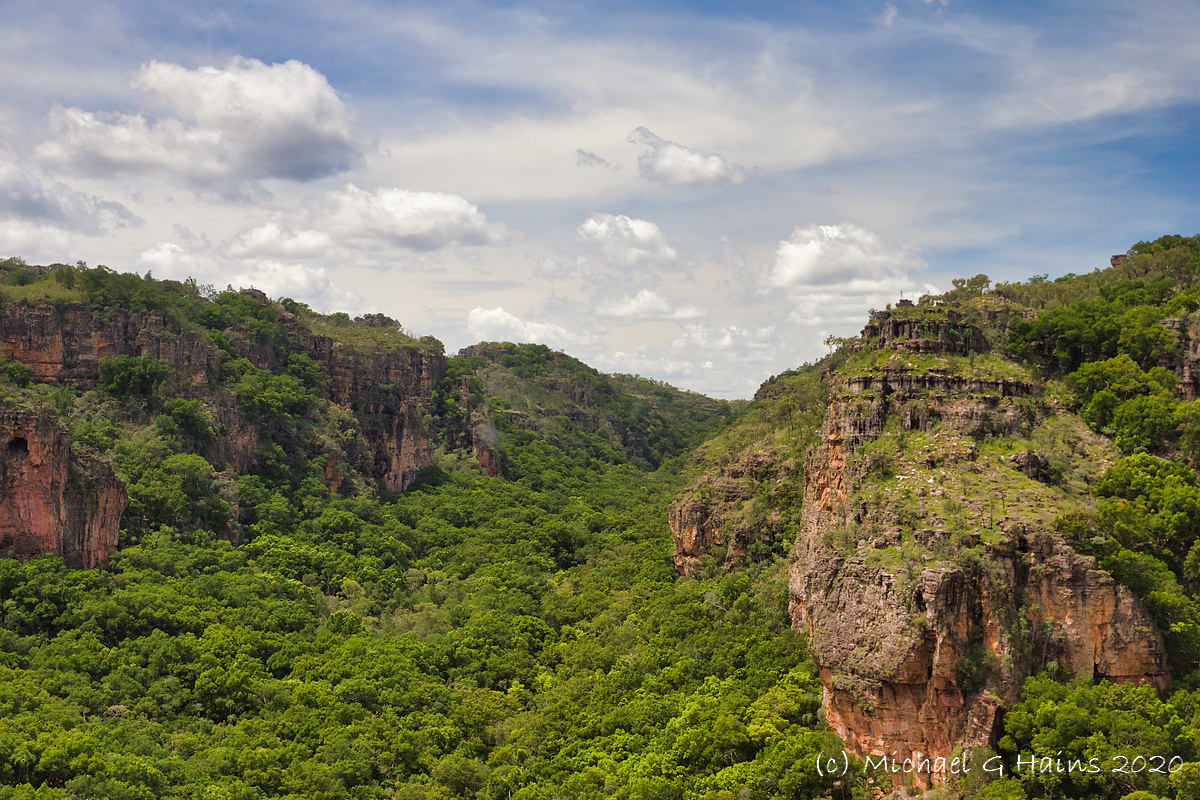
The trip was at the end of the wet season and the scenery was spectacular, extensive wetlands, rivers, gorges, waterfalls and escarpment a plenty. These photos have minimal post processing.

Arnhem Land is a up on a plateau surrounded by an escarpment. The rain that falls runs off the escarpment and feeds a multitude of rivers along the coastal wetlands, including the Adelaide River, Mary River, Wildman River, the East Alligator/West Alligator/South Alligator Rivers, Liverpool River, Goomadeer River, White Creek, Julia Creek (tributary of Magela Creek), Mann River and Katherine River. Katherine River being the only one listed that flows south into Katherine Gorge near Katherine.

Along this coastal plain, there was an abundance of water, rivers, creeks, streams and wetlands that have abundant crocodiles and water buffalo. With so much water the crocodiles were very hard to spot.

This area has more rivers and water than either Cape York or The Kimberley and The Doc has flown over both of those areas.

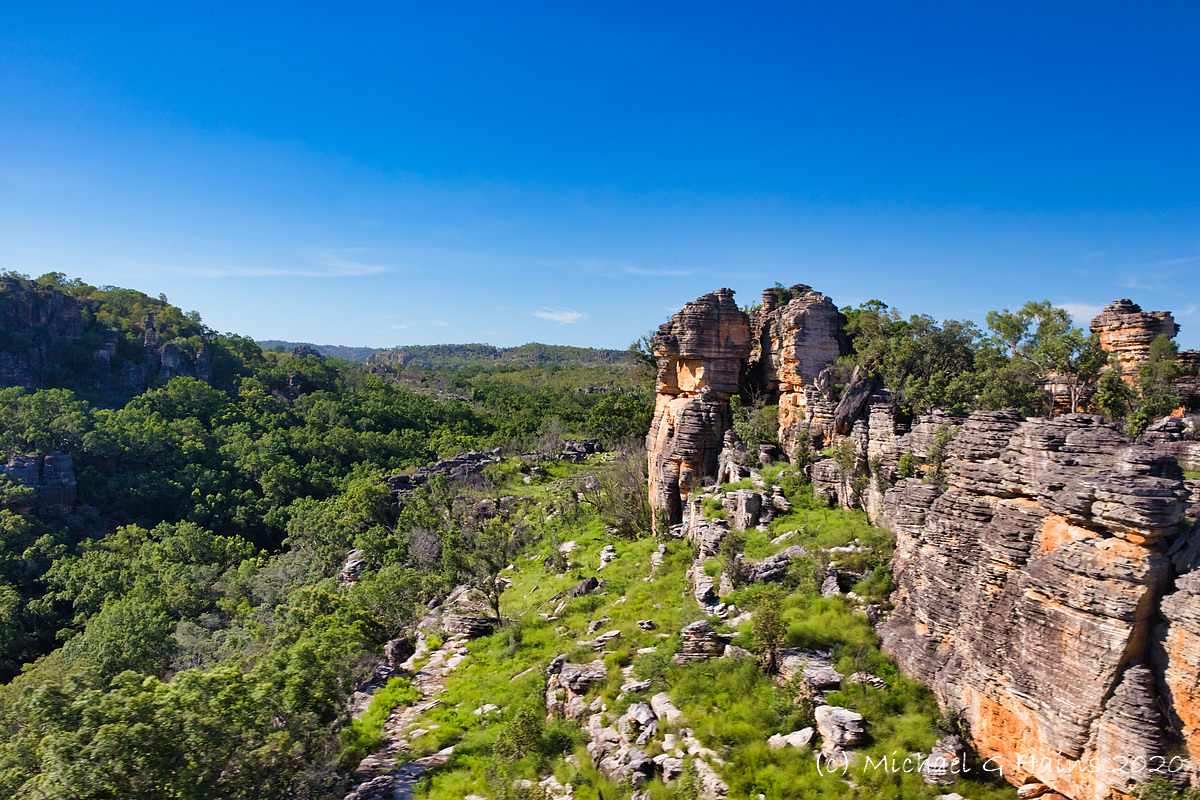
On the way into and out of Arnhem Land you must fly over the escarpment, which is hundreds of metres tall in places. Twin Falls and Jim Jim Falls are well-known waterfalls that flow off the escarpment in Kakadu National Park.

The Doc nicknamed one part of the escarpment the Guard Towers, these massive structures were imposing as we flew by. They look smaller in the photos (The Doc used a 24mm lens), compared to real life.

We flew across Kakadu into Arnhem Land and through and abundance of waterways and gorges. The gorges were often full of dense rainforest, unlike any other place visited by The Doc. It makes you wonder what wildlife it hides.

As we approached one river and waterfall the copter noise spooked a black wallaby. So The Doc managed to see the rare all black wallaby. An All Black Wallaby may do rugby union supporters heads in! It is the male that is black, it is normally nocturnal and only found in Arnhem Land across to Nabarlek.

The abundance of water in the Wet Season means lots of waterfalls. The Doc was most impressed by the Mann River Gorge Waterfall in a remote part of Arnhem Land, even more than Jim Jim Falls and Twin Falls in Kakadu. He got both aerial and ground photos (as we refuelled), and a passing thunderstorm made it look even better.

The Doc is now frantically packing the Patrol to drive into The Northern Territory in the next few days. The last blog post for a while, enjoy.

The Savannah Lander – Day 4

The last day was mostly train travel from Mt Surprise back to Cairns. The Doc was up early and walked to the railway station, having a look around the township. There was also a small market in front of the station with locals selling to the tourists. A great idea. However the food was mostly in glass, so The Doc passed on the opportunity.

There was some excitement on the way home including the train being held up by young bushrangers. A great way for kids to earn pocket money! The passengers were warned that we’d be robbed 😉

Instead of repeating some of the earlier photos let’s look at some textures, here bark and leaves.

And some rock and minerals. Enjoy.

Next day the flight home. An enjoyable trip which included a visit to Pungalina and the Savannah Lander train trip. Yes The Doc used the wrong watermark on the pictures.

The Savannah Lander – Day 3

The Doc was up before dawn. Near The Doc’s Room was an unusual looking Toyota Kluger, when he looked closer it had Texas numberplates. The US version of the Kluger is certainly chunkier than the Australian version.

Off to have an early breakfast near a very nice infinity pool as the sun came up.

Next stop was Cobbold Gorge itself. After travelling through the Kimberley and Pilbara The Doc has visited many gorges, but nothing like Cobbold Gorge. This gorge was formed when an earthquake ripped the earth apart. Over time it weathered into an extremely narrow gorge, what the Doc calls a Weight Watchers gorge! By narrow, The Doc means a standard tinny could not get through some parts of the gorge.

10 people each got into the 2 custom-made boats. The boats were narrow and long with an electric motor at each end (a trolling motor). Silica has leached out of the sandstone rocks forming an extremely hard but polished surface, making it very resistant to weathering.

While the gorge is not particularly long, it is unique. There is plenty of freshwater fish, including the resident freshwater crocodile.

We headed back to the camp, collected our gear, and were loaded onto the bus. We were driven back to Forsayth but the train had already left earlier in the morning. The bus drove us to Einasleigh to meet the train at lunch time.

We ate a simple lunch at the Einasleigh pub and were back onto the train. We travelled back over the rivers and waterways to Mt Surprise. We were booked into our rooms at Bedrock Village.

We had to be on the bus within 30 minutes and were taken for a tour of the Undara Lava Tubes. Gary was our guide.

‘Undara’ is an Aboriginal word meaning ‘long way’. The park protects one of the longest lava tube cave systems in the world. About 190,000 years ago, a large volcano erupted violently, spewing molten lava over the surrounding landscape. The lava flowed rapidly down a dry riverbed. The top, outer-layer cooled and formed a crust, while the molten lava below drained outwards, leaving behind a series of hollow tubes. (Department of Parks)

We visited The Archway and the nearby Stephenson’s Cave. The stairs and walkways made the whole experience enjoyable (as well as protecting the caves). The archways, colours and textures were extraordinary and the size of the caves bigger than what the pictures show. These are lava tubes so they don’t have stalagmites and stalactites like limestone caves.

Look closely and you can even see Tweety bird on the wall.

The Doc also saw 2 Mareeba Rock Wallabies darting around. Gary said it was the first time he saw them in this area and The Doc saw two! These wallabies were fast and agile across the rocks.

We travelled back to Bedrock Village for a meal that night. A simple meal well done is one of the simple pleasures of life. It was a full day and probably the highlight of the trip.

The Savannah Lander – Day 2

The Doc was up early, we had a simple breakfast and were transported back to Almaden and boarded the train.

The Savannah Lander soon turned off onto the Etheridge Line where the rail was lighter and the trip now quite rough.

Plenty of water crossings like Sandy Tate River, Rocky Tate River, Saltwater Creek (no it is not salt water) and Fossil Brooke. It is the dry season, so only a little water – actually more than normal, due to recent rain. Unfortunately the train does not operate in the wet season as the water would transform the landscape.

The morning tea stop was at the Bullock Creek Café. OK it was an enjoyable morning tea beside the train, prepared by Wil and Leigh.

Lunch was at Bedrock Village, Mt Surprise. Yabba dabba doo! It was owned by Joe and Jo not Fred and Wilma. I did not see Betty or Barney either.

Then a long but picturesque train trip to Forsayth. The Doc took a turn up the front pretending to be train driver Casey Jones (played by Alan Hale Jr. later to be even more famous as the Skipper in Gilligans Island).

There are an historic train and car near the Railway Station. It included the Desert Rose, a Dodge truck used by the old dunny carter, I kid you not.

We meet the bus and were driven to Cobbold Gorge. We arrived after dark and enjoyed a nice dinner. Off to bed for an early rise and tour of Cobbold Gorge.

The Savannah Lander – Day 1

The Doc spent 4 days on The Savannah Lander historic train, based out of Cairns, Far North Queensland. On Day 1 we arrived around 6.15 am at Cairns Railway Station to be met by Wil and Leigh our drivers, porters, hosts, tea makers and guides.

Our trip followed this map.

Before long we were aboard. It is a steep, but scenic, climb from the Coast up the Macalister Range towards Kuranda on the Atherton Tablelands. Our first stop was Barton Falls Station overlooking the Barron River and waterfalls. This part of the trip took us through some of the oldest rainforest in the world.

Then a short trip to Kuranda Station were Queensland Rail wanted us gone as soon as possible. $500 dollars for a 5 minute stop!

About 30 minutes later we were in the farmlands of the Atherton Tablelands, where they grow mangos, citrus, avocados, tea, coffee and sugar came. Until the late 1990’s it was the main tobacco growing area in Australia. On to Mareeba where we pass into savannah country – hence The Savannah Lander name. Most of the next 3 days are spent in savannah country.

Morning tea was at Mutchilba and lunch at the Railway Hotel at Almaden, once a thriving rail terminus, but no more.

After lunch Macca, our bus driver and guide, drove us to Chillagoe a mining town (the gold mine is in the process of restarting). We were given a guided trip of the caves at the nearby Chillagoe-Mungana Caves National Park. Eddie was our friendly cave guide and Traditional Owner. The cave shots are handheld, no flash and only a little bit of light to focus the Sony RX100II P&S – amazing.

Next we had a tour around town, including the dump (yep the rubbish dump), marble pit (there are several), old smelter (the biggest The Doc has visited) and the Creek.

While The Doc was booked into the Ecco Lodge, however he and the unlucky few were driven to the local pub. He was eaten alive by mosquitos that night. A low point of the trip.

Newhaven – revisited

This time last year The Doc had finished his Kimberley/Pilbara trip and was returning through central Australia using Australia’s longest shortcut – The Great Central Road. After a rest stop at Alice Springs he headed to AWC’s Newhaven Sanctuary for a few days.

This Saturday he heads off to Cairns then onto Pungalina/Seven Emu in Arnham Land.

A few shots from Newhaven. More pictures here.